Crypto exchange Binance has strongly denied allegations claiming that Iranian-linked entities used the platform to move billions of dollars tied to sanctions evasion and military-related fina
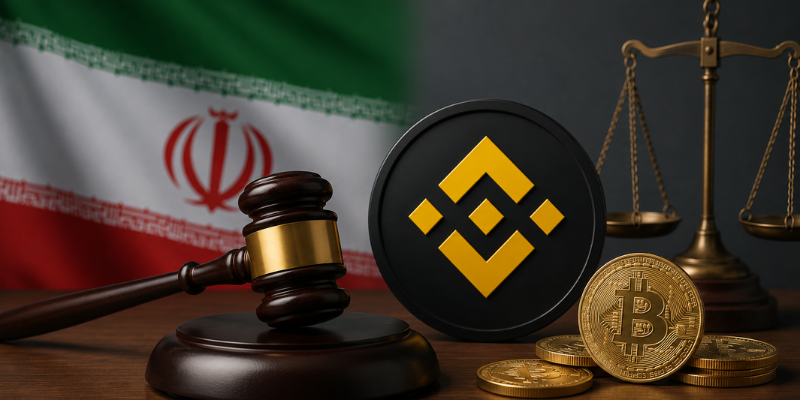
Crypto exchange Binance has strongly denied allegations claiming that Iranian-linked entities used the platform to move billions of dollars tied to sanctions evasion and military-related financial activity.
The controversy emerged following a May 2026 investigation alleging that networks connected to Iranian businessman Babak Zanjani processed significant volumes of cryptocurrency through Binance despite ongoing U.S. sanctions and increasing global enforcement efforts targeting Iran’s financial system.
Alleged Iran-Linked Transactions Draw Scrutiny
According to a report published by The Wall Street Journal, approximately $850 million in crypto transactions linked to entities associated with Zanjani allegedly flowed through Binance over a two-year period. The investigation cited internal records, blockchain analysis, and sources familiar with the matter to argue that some accounts tied to Iranian networks continued operating on the exchange even after compliance concerns were raised.
The Wall Street Journal further alleged that Binance’s internal compliance systems identified suspicious access activity originating from Tehran in late 2024. Investigators reportedly generated internal alerts and recommended restrictions on certain accounts, but some allegedly remained active for extended periods.
The publication also claimed that Iran’s central bank transferred roughly $107 million worth of cryptocurrency into Binance-linked accounts during 2025. In addition, foreign investigators reportedly traced nearly $260 million in transactions between Binance wallets and addresses associated with sanctioned Iranian entities and suspected terrorist financiers.
The allegations arrive at a time when regulators worldwide are increasingly focused on how cryptocurrency platforms handle sanctions enforcement, anti-money laundering obligations, and cross-border financial monitoring.
Binance Denies Allegations and Defends Compliance Measures
Binance quickly rejected the claims and defended its compliance framework. Binance co-CEO Richard Teng publicly disputed the accusations, describing parts of the investigation as “factually inaccurate” and lacking critical context about the exchange’s compliance operations.
Teng stated that,
Binance did not permit any transactions with sanctioned individuals on its platform, and transactions mentioned by WSJ happened before these individuals were sanctioned.
He also said the company had independently investigated the activity before receiving media inquiries and accused the report of overlooking improvements Binance has made to its compliance and monitoring systems over the past several years.
Binance has increasingly emphasized its investment in compliance infrastructure following years of regulatory pressure from authorities across multiple jurisdictions.
Binance’s Regulatory History Continues to Follow the Exchange
The allegations add to the exchange’s ongoing compliance challenges after Binance reached a historic $4.3 billion settlement with U.S. authorities in 2023 over anti-money laundering and sanctions-related violations.
The settlement marked one of the largest penalties ever imposed on a crypto company and resulted in former Binance CEO Changpeng Zhao stepping down from his leadership role after pleading guilty to violations tied to anti-money laundering compliance requirements.
Since then, Binance has repeatedly stated that it has strengthened internal controls, expanded its compliance and investigations teams, and increased cooperation with global regulators and law enforcement agencies.
Under Teng’s leadership, the company has attempted to reposition itself as a more regulation-focused exchange while distancing itself from controversies tied to its earlier operational structure.
Global Regulators Increase Focus on Crypto Sanctions Enforcement
The latest controversy also comes amid broader concerns among regulators about the role of cryptocurrency platforms in sanctions evasion and illicit cross-border finance. The scrutiny has intensified during periods of heightened geopolitical uncertainty that have also triggered volatility across global crypto markets and derivatives trading activity.
Reports that the U.S. Department of Justice is examining whether Iranian-linked financial networks used crypto exchanges, including Binance, to bypass sanctions have added further attention to the matter. Recent geopolitical developments involving Iran have already influenced broader market sentiment across the digital asset sector, contributing to sharp movements in Bitcoin and derivatives markets earlier this year.
While Binance has reportedly denied knowledge of any active DOJ investigation specifically targeting the exchange over Iran-linked activity, the renewed allegations could increase pressure on regulators already monitoring how centralized exchanges detect and prevent illicit financial flows.
The case highlights one of the crypto industry’s biggest regulatory challenges. Although blockchain transactions are publicly traceable, authorities argue that centralized exchanges remain critical gateways where sanctioned entities may still attempt to move or convert funds if compliance systems fail.
For governments enforcing sanctions regimes, particularly against countries such as Iran, cryptocurrency has become an increasing area of concern because digital assets can facilitate international transfers outside traditional banking infrastructure.
At the same time, crypto firms argue that blockchain transparency often makes suspicious activity easier to trace than conventional financial systems and maintain that monitoring technology across the industry continues to improve.
Debate Over Crypto Compliance Intensifies
The dispute between Binance and The Wall Street Journal is likely to intensify ongoing debates surrounding crypto regulation, sanctions enforcement, and the responsibilities of global exchanges operating across multiple jurisdictions.The controversy has also renewed attention on ongoing discussions surrounding potential DOJ scrutiny into Binance’s handling of Iran-linked transactions and broader sanctions compliance obligations within the crypto industry.
As regulators continue tightening oversight of the digital asset sector, the outcome of such investigations could play a significant role in shaping future compliance expectations for major cryptocurrency platforms worldwide.