For years, the Nigerian creator economy followed a familiar formula: build an audience, go viral, secure brand deals, repeat. But as the industry matures, some of the country’s most recognisa
For years, the Nigerian creator economy followed a familiar formula: build an audience, go viral, secure brand deals, repeat. But as the industry matures, some of the country’s most recognisable creators are beginning to play a different game.
They are moving from promoting other people’s products to building their own.
Having an audience and owning a business are two very different things. A creator can have millions of followers and still depend on algorithms, advertising budgets and brand partnerships for income. But when that same creator launches a skincare line, restaurant, technology platform or automobile company, the audience becomes something more valuable than a source of views: it becomes a potential customer base.
For Nigerian creators, social media is increasingly becoming the top of the funnel rather than the entire business
Here are 10 creators that are making that transition1. Ifedayo Agoro – Diary of a Naija Girl (DANG)
 Ifedayo Agoro
Ifedayo Agoro became widely known through her candid conversations about relationships, feminism, family and everyday life. But beyond building a strong personal brand online, she has also moved into the beauty industry with DANG, her skincare business.
Rather than simply recommending beauty products to her audience, Agoro created a brand of her own, using the same storytelling and personal connection that helped her build an audience to market its products. DANG has sold over 700,000 units of its skincare and home care products globally since launch and also operates digital storefronts serving the UK, USA, Canada, Ghana, and Kenya.
Her existing online community gives the business something that many traditional startups spend years trying to build, which is attention and an audience that already knows the person behind the brand. The move also demonstrates why creators can have an advantage when entering consumer businesses.
They can introduce products through storytelling, demonstrate them through content and maintain a direct relationship with their customers.
2. Salem King – Crea8torium

Salem King, (IMG: @salemk
inging)Salem King is taking the creator-to-business transition in another direction: rather than simply monetising his own audience, he is building around the creator economy itself. He also has his “Daily Dose of Creative Momentum” newsletter that he shares on LinkedIn and Substack.
He is the founder of Crea8torium, a creator-focused ecosystem that provides information, tools, insights, communities, workshops, masterclasses and digital products.
Its flagship Crea8torium Show, hosted by Salem King and Adaora “Lumina” Mbelu, has attracted hundreds of thousands of views and listens, while the wider community has grown to more than 50,000 people across platforms.
The business represents another stage of the creator economy: the creator is no longer just the talent but is also building around other creators.
Read also: The creator economy has a plagiarism problem, and AI is making it worse
3. Taaooma – Chop Tao and The Greenade Company
Taaooma has been very clear: her mother and everyday African-parent experiences are major sources of inspiration. She says she takes those experiences and adds her own creative interpretation. Taaooma built her reputation through comedy, but her businesses reveal that her ambitions extend well beyond skits.
She is the founder of Chop Tao, a food company, and also the director of The Greenade Company, a cinematography business. That combination is telling. One business takes her into food and hospitality, while the other connects directly to the machinery behind content production.
Taaooma is monetising both sides of her creative identity into the audience that watches her content and the creative expertise that makes the content possible.
4. Aproko Doctor – AwaDoc
 Dr Chinonso Egemba/Aproko Doctor
Aproko Doctor, whose real name is Chinonso Egemba, became one of Nigeria’s most recognisable health communicators by using social media to make medical information easier to understand.
He has since taken that expertise into entrepreneurship as co-founder of AwaDoc, a digital healthcare platform that uses an AI-powered WhatsApp chatbot to give patients instant healthcare support while helping providers improve patient engagement and efficiency.
AwaDoc launched in April 2025 and secured $500,000 in pre-seed funding three months later.
Aproko Doctor’s move is a natural progression from educating people about healthcare online to using technology to help them access it.
5. Adeife Adeoye – Remote WorkHER Adeife Adeoye
Adeife Adeoye’s transition demonstrates that a creator does not necessarily need to sell a physical product to become an entrepreneur.
She founded Remote WorkHER to help women access remote jobs, develop global careers and build professional opportunities online. The platform has since expanded beyond online content into workshops, resources, community and career support.
The model is different from simply being paid to promote somebody else’s product. Here, the creator’s expertise becomes the product.
Her audience discovered her through social media when she was still documenting her personal freelance journey. The relationship eventually evolved into a course, and then people reached out to her for consultations, eventually becoming part of the community and company she built.
That reflects a broader shift in Nigeria’s creator economy. Creators are beginning to ask not only “How many people watched this?” but also “What can I build with the people who watched it?”
6. Samuel Bankole – SB Glasses
Samuel Bankole, popularly known as Samuel Banks, has positioned himself as more than just a skit maker. His content sits at the intersection of comedy, fashion, lifestyle, character creation and influencer marketing. His move into entrepreneurship has taken him from skit-making to physical consumer businesses.
He launched his glasses brand, SB Glasses, in May 2026, while also venturing into the restaurant business in South Africa.
Being a content creator does not automatically guarantee the success of a business. A restaurant still needs good food and service. A glasses brand still needs quality products and reliable distribution.
7. Toke Makinwa – TM Luxury and TM Beauty
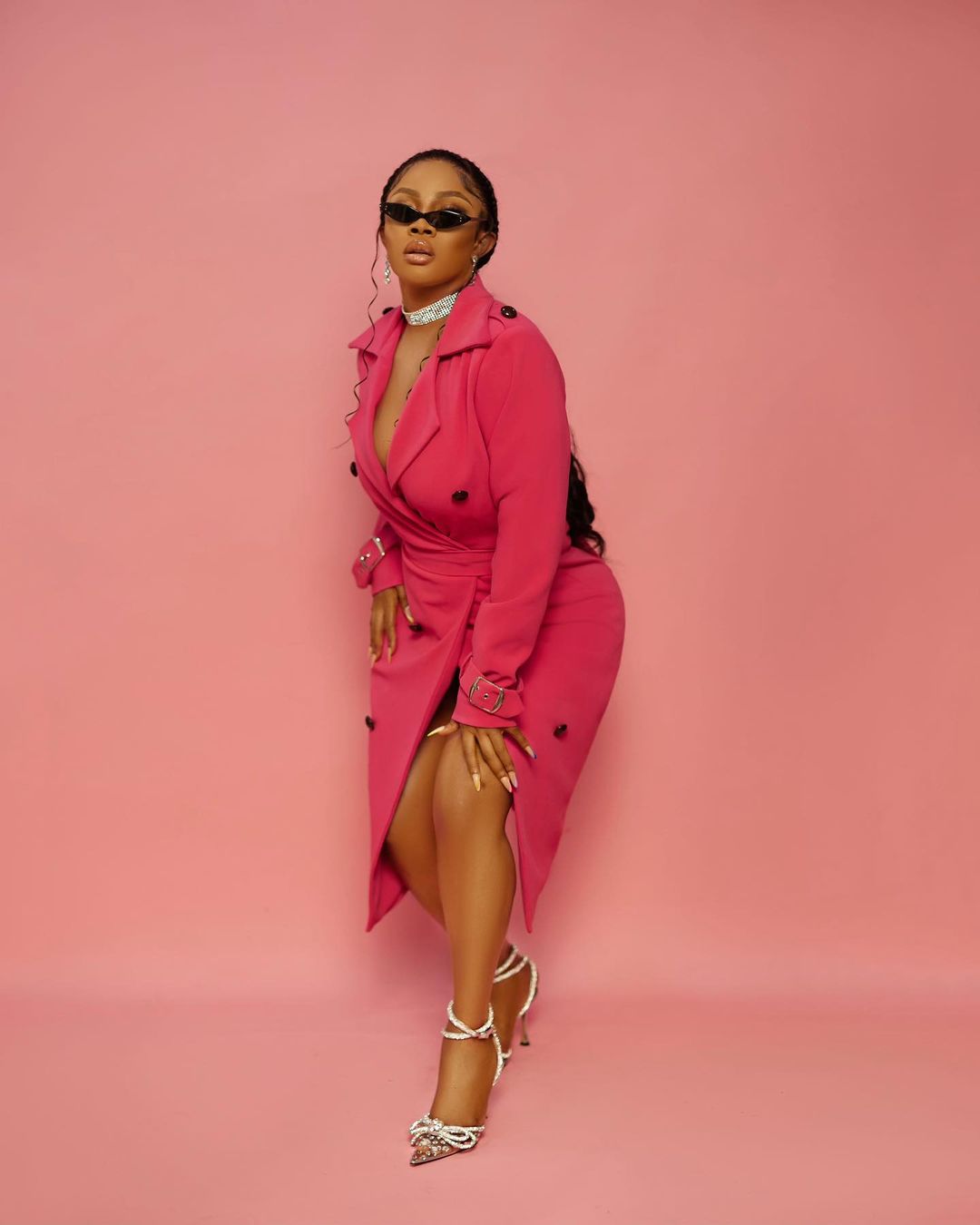
Toke Makinwa’s career has long existed at the intersection of media, entertainment, fashion and lifestyle.
But she has also turned her personal brand into consumer businesses. Through TM Luxury, she entered the bag market in 2017, while TM Beauty expanded her entrepreneurial interests into fragrances.
Makinwa’s career has made her a recognisable figure in Nigerian popular culture, and TM Luxury and TM Beauty allow her to transfer that recognition into products she owns and captures value from the sale rather than simply promoting someone else’s.
8. Ola of Lagos – OOL Group
Few Nigerian creators demonstrate the commercial value of personality quite like Ola of Lagos.
Known for his energetic encounters with luxury car owners, Ola turned automotive content into a recognisable personal brand. His passion for cars was already at the centre of his content, so moving into the business side was a natural extension.
He is now CEO of OOL Autos and OOL Properties, taking his relationship with luxury automobiles and real estate into businesses of his own. The transition is particularly direct: the cars that once made up his content are now part of the business he runs.
9. Hilda Baci – My Food by Hilda
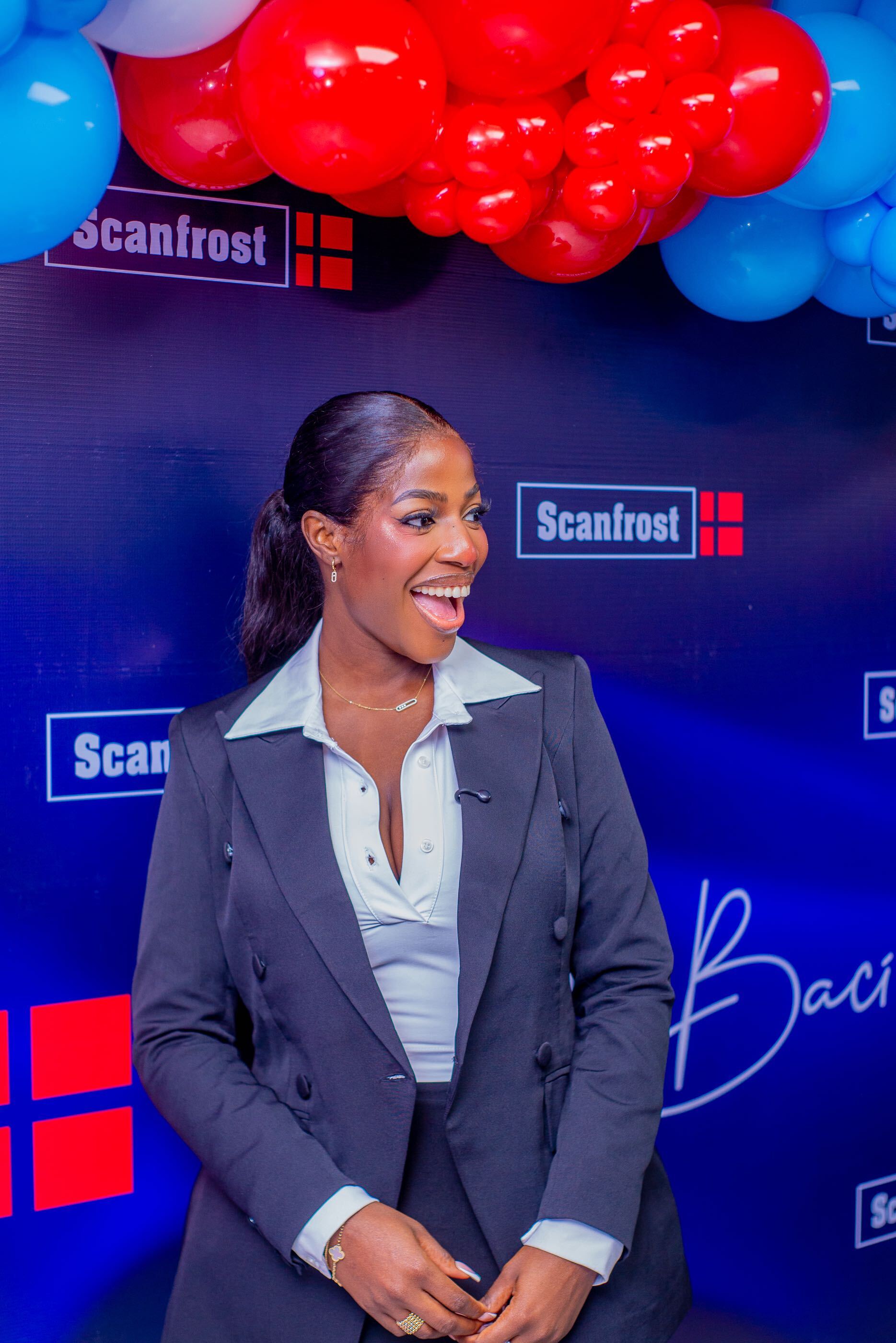 Hilda Baci
Hilda Baci’s story shows how a creator can build a business around an interest that was already central to her content. Her food content helped establish her identity as a chef before her 2023 cookathon transformed her into a global celebrity. But the business came before the viral moment.
Baci started My Food by Hilda in February 2020 from a small apartment in Ikate, preparing meals for customers during the lockdown. Her first physical premium restaurant opened in June 2022.
Today, My Food by Hilda has become a major part of her entrepreneurial identity.
Her story shows that virality can accelerate a business, but it does not necessarily create one. In Baci’s case, the business existed before the moment that made her famous internationally.
10. Fisayo Longe – Kai Collective

Fisayo Longe
Fisayo Longe offers perhaps the clearest example of a creator turning an online aesthetic into a scalable fashion company.
Longe had already been blogging about fashion and travel since 2012 when followers began asking to buy the clothes she sourced and designed. That demand eventually led to Kai Collective, which she founded and launched in August 2016. The business grew from something her audience wanted into a brand with its own identity.
That may be the biggest lesson from this new generation of Nigerian creator-entrepreneurs.
The goal is no longer just to be the brand. It is to use the brand you have built around yourself to create something that can eventually stand without you.
For Nigerian creators, the next measure of influence may therefore not be followers, views or viral moments, but what those audiences help them build beyond the timeline.