It is 2026. You will hardly walk through a busy Nigerian market or street without spotting a kiosk with a sign that reads “POS Available”. Point of Sale (POS) machines that were strictly kept
It is 2026. You will hardly walk through a busy Nigerian market or street without spotting a kiosk with a sign that reads “POS Available”.
Point of Sale (POS) machines that were strictly kept inside commercial banks and luxury hotels between 2002 and 2012 are now in the hands of literally any trader on the streets of Lagos.
However, widespread commercial adoption and the agent banking business model did not begin until 2013, following the Central Bank of Nigeria policy framework for financial inclusion. As agent banking expanded, fintech providers such as Paga, OPay, Moniepoint and PalmPay helped make POS services a familiar part of life in many Nigerian communities.
Interestingly, running a Point of Sale (POS) business has improved financial inclusion and tech-savviness for thousands of Nigerian women. Without taking formal computer courses, operating these terminals daily has naturally upgraded their digital literacy.
A female POS operator in Ketu Market told Technext in an interview that learning to operate a POS machine takes less than 30 minutes.
“When you collect the POS machine from the brand’s local office or a field agent, they will turn it on, insert a SIM card, and walk you through your very first transaction, like a test withdrawal and a test transfer, to make sure you know what to press,” she said.
What happens after that depends on the operator, the device and the services available. But behind these transactions are women learning to use technology.
Take Mrs Oyewunmi, for instance. She graduated with a National Diploma in Accounting in 2022. After struggling to find a corporate job, she started hairstyling. Some customers wanted to pay electronically or withdraw cash, but she did not have a POS machine.
Another hairstylist introduced her to Moniepoint, and she began learning how to use its POS machine and mobile application. When she encounters technical problems, she sometimes consults Google for answers. That’s how technologically aware Nigerian women have become, regardless of their profession.
As these women serve customers, here are 10 ways running a POS business has made them tech-savvy.

1. Understanding how digital transactions work
Running a POS business has exposed Nigerian women to different types of electronic transactions. Over time, they become more familiar with how money moves between accounts, how credits and debits work, and why transaction charges may apply. They also learn to distinguish between the amount a customer pays and the amount they receive after applicable fees.
2. Learning to operate digital devices
Operating a POS machine requires more than pressing a few buttons. You need to navigate its interface, enter transaction amounts, select the appropriate service and follow the instructions displayed on the screen. With regular use, these tasks become easier, helping you grow more comfortable interacting with digital devices.
3. Becoming familiar with mobile banking apps
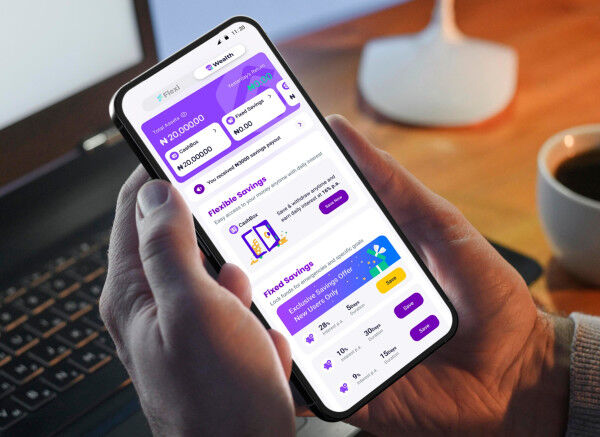
Many POS operators use mobile banking or agent applications to receive money, manage transactions and access other financial services.
Learning to navigate these apps introduces you to digital functions such as checking account balances, reviewing transaction histories and locating specific services within an application. The features available depend on the app and account type.
4. Learning to troubleshoot technical problems
A POS transaction can fail because of network problems, card-related issues or a service disruption. When this happens, you need to understand the error message, identify what might have gone wrong and determine the appropriate next step.
This process can help you develop basic troubleshooting skills, from checking your internet connection to consulting your service provider when a problem persists.
5. Understanding how internet connectivity works
Some POS terminals rely on mobile networks to process transactions. If you use a smartphone hotspot to connect your terminal to the internet, you learn how to enable mobile data, activate the hotspot and connect another device to it.
This introduces you to practical networking concepts and shows how different devices can work together to complete a task.
6. Learning to interpret digital transaction records
Digital transaction histories help you review payments, identify previous transactions and investigate discrepancies.
As a POS operator, you become more familiar with transaction references, timestamps, amounts and status notifications. Understanding these records can help you determine whether a transaction was successful, pending or unsuccessful before taking further action.
7. Developing digital research skills
When you encounter an unfamiliar feature or technical problem, online resources can help you understand what to do next.
Searching Google, reading a device manual or contacting agents can teach you how to find and interpret technical information. These research skills can also be useful when learning to use other digital tools beyond your POS business.
8. Becoming more confident using ATMs and other financial technology
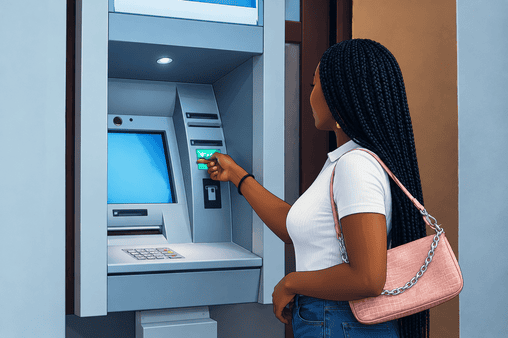
Operating a POS business can increase your exposure to different financial technologies, including automated teller machines (ATMs), debit cards and electronic banking services.
Understanding how to insert a card, follow on-screen instructions, enter a PIN securely and complete a withdrawal can make these services easier to navigate. However, the extent of this learning depends on the operator’s experience beyond the POS terminal itself.
9. Learning basic digital security practices
Handling electronic payments makes it important to understand how to protect financial information and verify transactions.
POS operators need to know why PINs and passwords should remain private, why transaction alerts must be checked carefully, and why a screenshot or verbal confirmation alone may not prove that money has arrived. These practices can improve awareness of digital fraud and safer ways to use financial technology.
10. Becoming more independent when using technology
The more you interact with digital tools, the more opportunities you have to learn how they work. Tasks that initially require another person’s guidance may become easier with practice, whether you are navigating a banking app, connecting a device to the internet or reviewing a transaction.
Running a POS business can therefore provide a practical setting for building digital confidence and learning to handle routine tasks independently.
Read also: Court ruling mandates N10,000 license for Nigerian PoS agents – even without their consent
