A latest global industry report has revealed that about 140 million Nigerians were in the mobile internet usage gap as of 2025, meaning they lived within mobile broadband coverage but did not
A latest global industry report has revealed that about 140 million Nigerians were in the mobile internet usage gap as of 2025, meaning they lived within mobile broadband coverage but did not use mobile internet services.
The data is according to a September 2026 report by GSMA, titled The State of Mobile Internet Connectivity 2026.
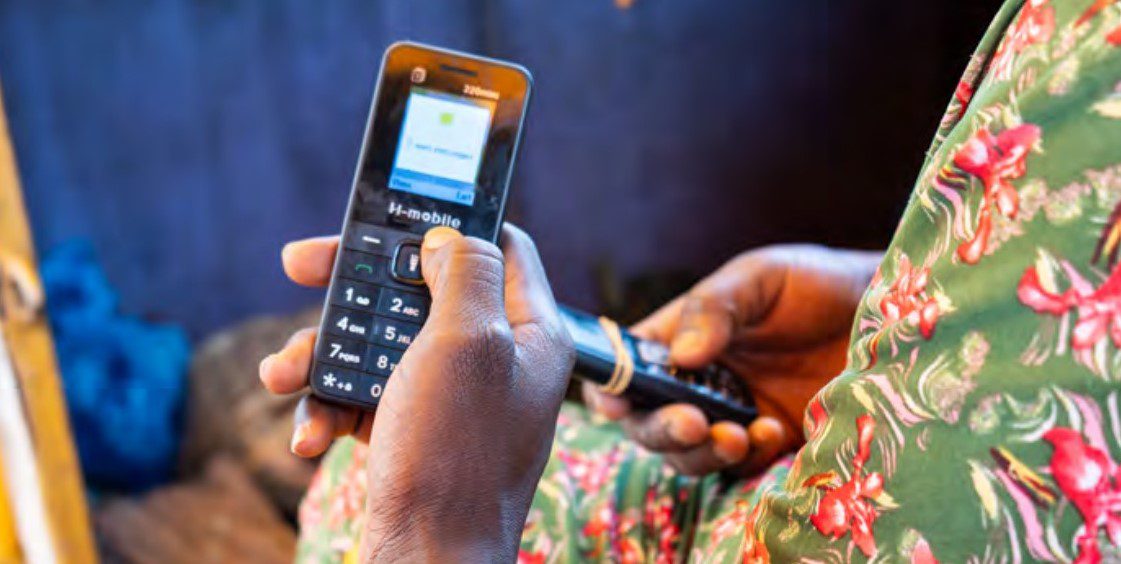
Key barriers attributed to mobile internet adoption include a lack of awareness of mobile internet. Even when they become aware, they face another barrier: not being able to afford an internet-enabled phone and a lack of literacy and digital skills.
IM: GSMA
In addition, Nigerians under the usage gap also include existing mobile internet users who have now been relegated after facing some difficulties. Aside from the rising inability to afford smartphones, other barriers include safety and security, concerns about adaptation and a lack of perceived relevance, all contributing to limited use.
With this gap, Nigeria is among the top 20 countries that account for 68% of the global usage gap. Other countries include India (710 million), China (200 million), Ethiopia (100 million), the Democratic Republic of Congo (60 million), Egypt (60 million), and Tanzania (50 million).
Smartphone affordability is a threat
According to the GSMA, the affordability gap is defined as the inability to afford internet-enabled handsets and other costs beyond ownership, such as data plans and service fees.
Compared to 2024 and early 2025, when internet penetration went on a spike due to increased smartphone affordability, the conversation has changed in 2026. The surge in memory chip prices is attributed to scarcity and several macroeconomic conditions.
According to the report, entry-level, internet- enabled devices now cost 44% of average monthly income, increasing to 76% of average monthly income for the poorest 20% in Sub-Saharan Africa.
Smartphones (Image Credit: Futurecdn)
Smartphone prices are on the rise again, and low-income earners amid tough market conditions are getting left out. The average DRAM and NAND flash memory prices rose by more than 80% quarter-on-quarter in Q1 ’26, with more hikes expected through the second half of 2026.
Also, smartphone manufacturers are increasingly managing their limited chip resources by allocating limited microchips and memory to higher-margin premium devices rather than entry-level phones. This sudden, unexpected shift led to a shortage of entry-level smartphones. As a result, manufacturers are now reallocating the expensive and limited chips to the production of 5G smartphones.
And the results are already here.
An August 2026 report by Counterpoint Research revealed that shipments of 5G smartphones increased by 8% year-on-year (YoY) across the Middle East and Africa (MEA) in the second quarter of 2026. The development was in contrast to entry-level smartphones. The sudden rise in 5G smartphone shipments comes from a drop in the sub-$250 budget device segment, which crashed 26% YoY.
Also read: Analysis: Nigerians spent ₦7 trillion on data during the first six months of 2026.
Like Nigeria, like Sub-Saharan Africa
In Sub-Saharan Africa, the report revealed that 820 million people experience usage gaps, while only 25% of the population (310 million) are actively connected.
But there’s something to take home for the continent. Sub-Saharan Africa is experiencing the first surge in connected population in three years, following a slight jump from 24% to 25%.
In terms of age group, 42% of 18+ aged persons in Sub-Saharan Africa are connected to the internet, strongly driven by its young population, mostly influenced by its Gen Z population. At the other end, another 42% of the adult population are in the usage gap.
Connectivity among adults
However, internet connectivity among its underage group (5 – 17 years) is struggling. Only 18% of the age group in Sub-Saharan Africa are internet-connected, while 72% are in the usage gap. While it was clarified that children either use their own device or largely depend on a borrowed or shared device, North America leads with 84% connections.
The ideology is different in Africa.
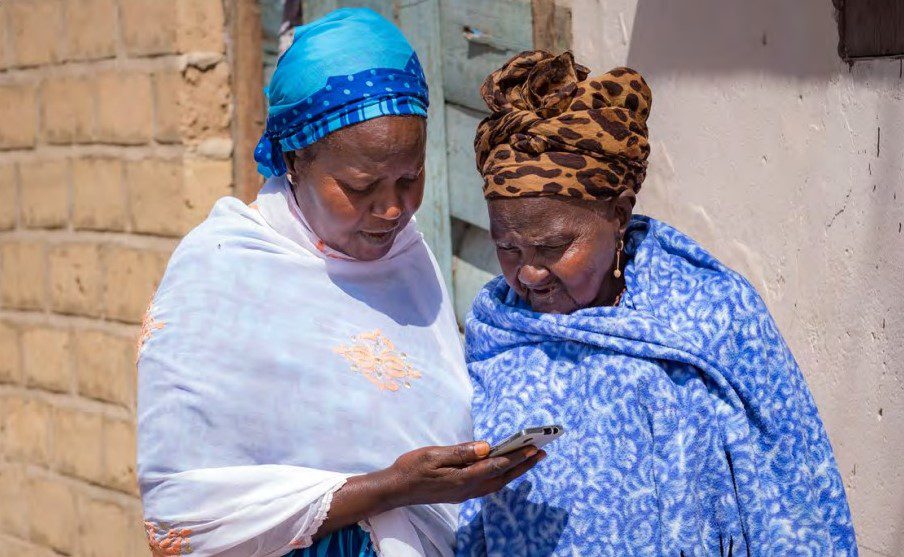
If a household has an internet-capable phone, it typically belongs to the head of the family, as children are often restricted to brief periods of shared access. Adults use the device for work, communication, or income generation, leaving little time or data allowance for children’s learning or entertainment.
It doesn’t erode the context that device ownership is a big threat to connectivity and the spread of digital access in Nigeria and Sub-Saharan Africa at large.