The Digital Asset Market Clarity Act is major crypto legislation and its primary goal is to establish a regulatory framework for virtual assets in the United States by clarifying the jurisdic
The Digital Asset Market Clarity Act is major crypto legislation and its primary goal is to establish a regulatory framework for virtual assets in the United States by clarifying the jurisdiction of the Securities and Exchange Commission (SEC) and the Commodity Futures Trading Commission (CFTC).
But the legislation has proven to be controversial because of the stalemate between the banking and crypto industries over a provision concerning stablecoin rewards.
A stablecoin is a type of cryptocurrency that tries to keep its value stable by being pegged to a fiat currency like the U.S. dollar.
Related: Explained: What is a stablecoin?
Why banks oppose stablecoin rewards in Clarity Act
A provision of the bill allows limited rewards for stablecoin holders in which users can earn yields on stablecoin payments, transfers, settlements, etc. However, a user can't earn rewards simply for holding stablecoins.
But the banking industry fears their customers could withdraw their deposits and convert them into stablecoins, as the rewards offered by crypto platforms are higher than the interests paid by banks.
A few months ago, U.S. Treasury Secretary Scott Bessent tended to agree with the concerns of the banks and said the administration will ensure there is no deposit volatility associated with the bill.
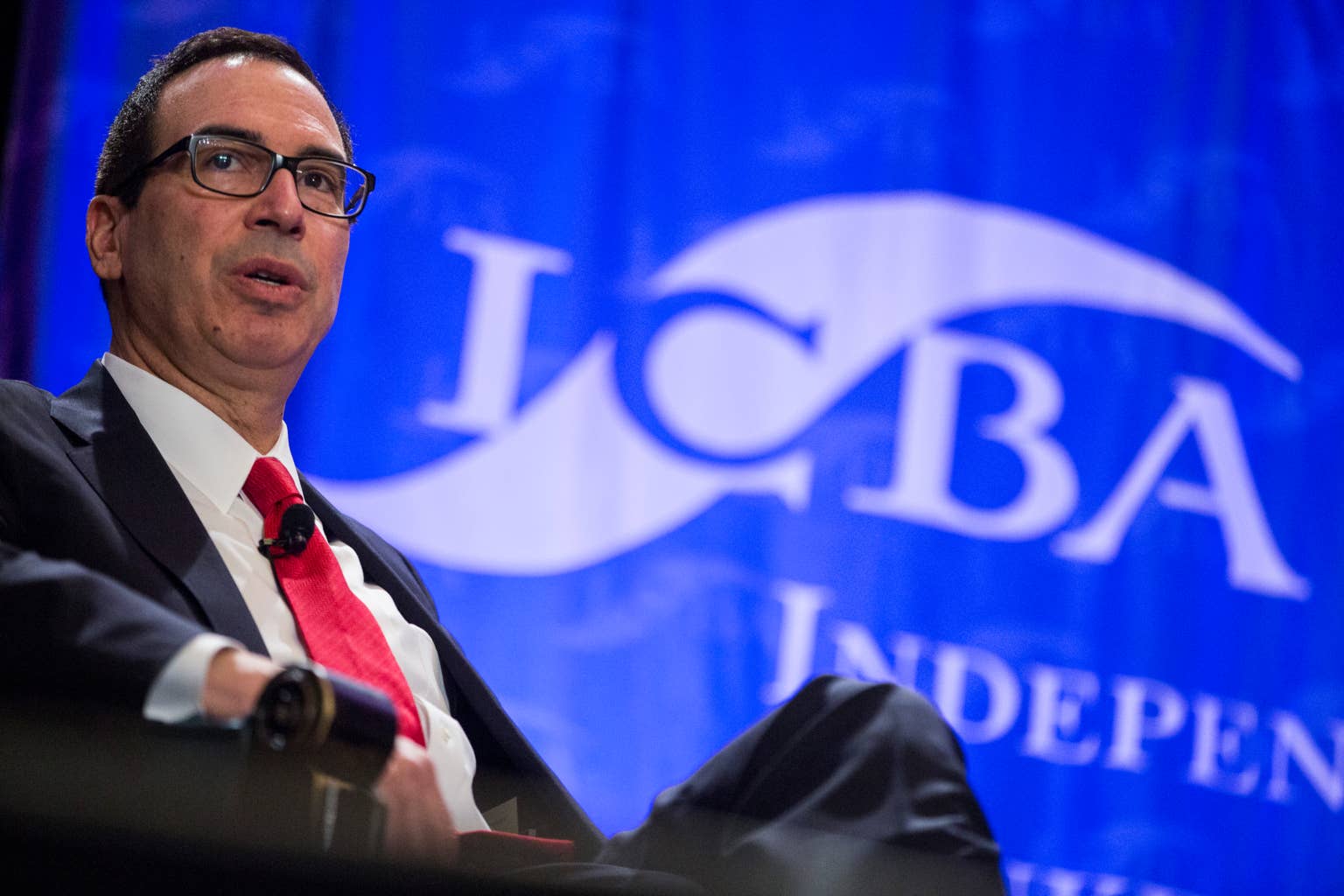
The Independent Community Bankers of America (ICBA), which represents about 4,000 small community banks across the United States, is concerned that the Clarity Act will let crypto companies pay out stablecoin rewards.
Early this month, the ICBA and 44 affiliated state banking associations called on senators to amend the Clarity Act to completely prohibit any interest, yield, or rewards on stablecoin holders.
As per the ICBA, a failure to prohibit stablecoin yield could reduce deposits held by community banks by $1.3 trillion.
This, in turn, could reduce bank lending by $850 billion in a few years, which will negatively affect the capital access of small businesses, farmers, ranchers, and rural communities of the country, the group warned.
Popular on TheStreet Roundtable:
The ICBA also launched a short video in which it claimed that community banks offer the majority of loans to small businesses and farms.
While crypto is hardly counted among the top concerns of American voters, but the industry is pushing for "less accountability and more risk," the video said.
"When crypto gets a free pass, communities pay the price."
Guaranty Bank & Trust is a Texas-based bank that has seen $40,000 flowing out of customer accounts to crypto investments over the past 90 days as per a Guardian report dated June 28.
The bank's president Troy Richards warned that if deposits dwindle, it would push up costs and restrict the loans available for local borrowers.
“These crypto issuers are not in our local communities," Richards said. "They can’t sit across the desk from a farmer, or from a small business owner, and counsel with them on how to improve their business."
Crypto industry says banks are acting in anti-competitive manner
But the crypto insiders differ.
Cody Carbone, chief executive of American crypto trade group Digital Chamber, argued that community banks are only trying to beat their upstart rivals.
He said, “Our industry is fighting for clear federal rules through the Clarity Act, while ICBA is fighting to keep Americans locked out of innovation."
The ICBA said it's not afraid of competition, as it already dealt with the fintech boom; it instead demands a “level playing field.”
Galaxy Research recently cut its estimate of the odds that the Clarity Act will become law in 2026 from 60% to 50% because of "a lack of progress in negotiations."
Related: Jamie Dimon sends blunt message on CLARITY