Despite the rapid growth of digital payment systems in Africa, cash remains a key player in daily transactions. A recent report from the AfricaNenda Foundation, the World Bank Group, and the
Despite the rapid growth of digital payment systems in Africa, cash remains a key player in daily transactions. A recent report from the AfricaNenda Foundation, the World Bank Group, and the United Nations Economic Commission for Africa (UNECA) reveals that many users of digital payment services still rely heavily on cash.
The study surveyed digital payment users across 15 African countries and found that 55% of them use cash for nearly half of their transactions. This significant figure highlights a gap between the increasing adoption of digital payments and the traditional ways people choose to pay for goods and services.

POS
In 2025, instant payment systems handled an impressive 71.4 billion transactions, totalling $1.8 trillion, almost three times the volume from 2021. However, despite this surge in digital payment transactions, only 33% of those surveyed indicated that they primarily use digital methods for their purchases.
Similar read: Africa’s instant payments hit 71.4bn transactions, but trust gaps keep cash in use, SIIPS report says
The findings suggest that while technology is advancing, many consumers in Africa still prefer cash for various reasons, indicating a need for further efforts to promote and facilitate the use of digital payment methods.
Cash still reigns as digital payment users face common issues
Despite the rise of digital payments, many users are facing persistent problems that have led them to continue using cash. A recent survey of 1,403 people conducted between March and April 2026 revealed that over half experienced issues with digital transactions. Common complaints included delayed payments and money being sent to the wrong person.
Interestingly, 33% of those who encountered these problems did not report them, often because they were unsure how to file a complaint. This lack of reporting highlights a significant gap in user support.
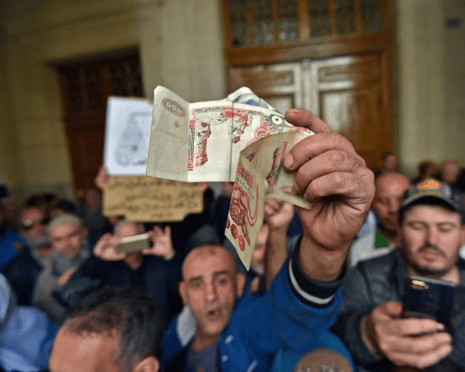
The survey also revealed a trend: users who lost money and could not get it back became hesitant to use digital payment services again. On the other hand, those who received refunds were more likely to use these services more frequently.
These findings underscore an important point: resolving payment issues is as crucial as the speed of transactions when it comes to gaining user trust in digital payment systems. As problems persist, cash may continue to be a preferred option for many.
The report also highlights an important insight for banks and payment providers in Africa: simply offering digital payment options does not guarantee that people will use them. The findings also indicate that 89% of adults across the continent have access to instant payment systems. However, having access doesn’t translate to everyday use. Many consumers still prefer cash for their regular spending.
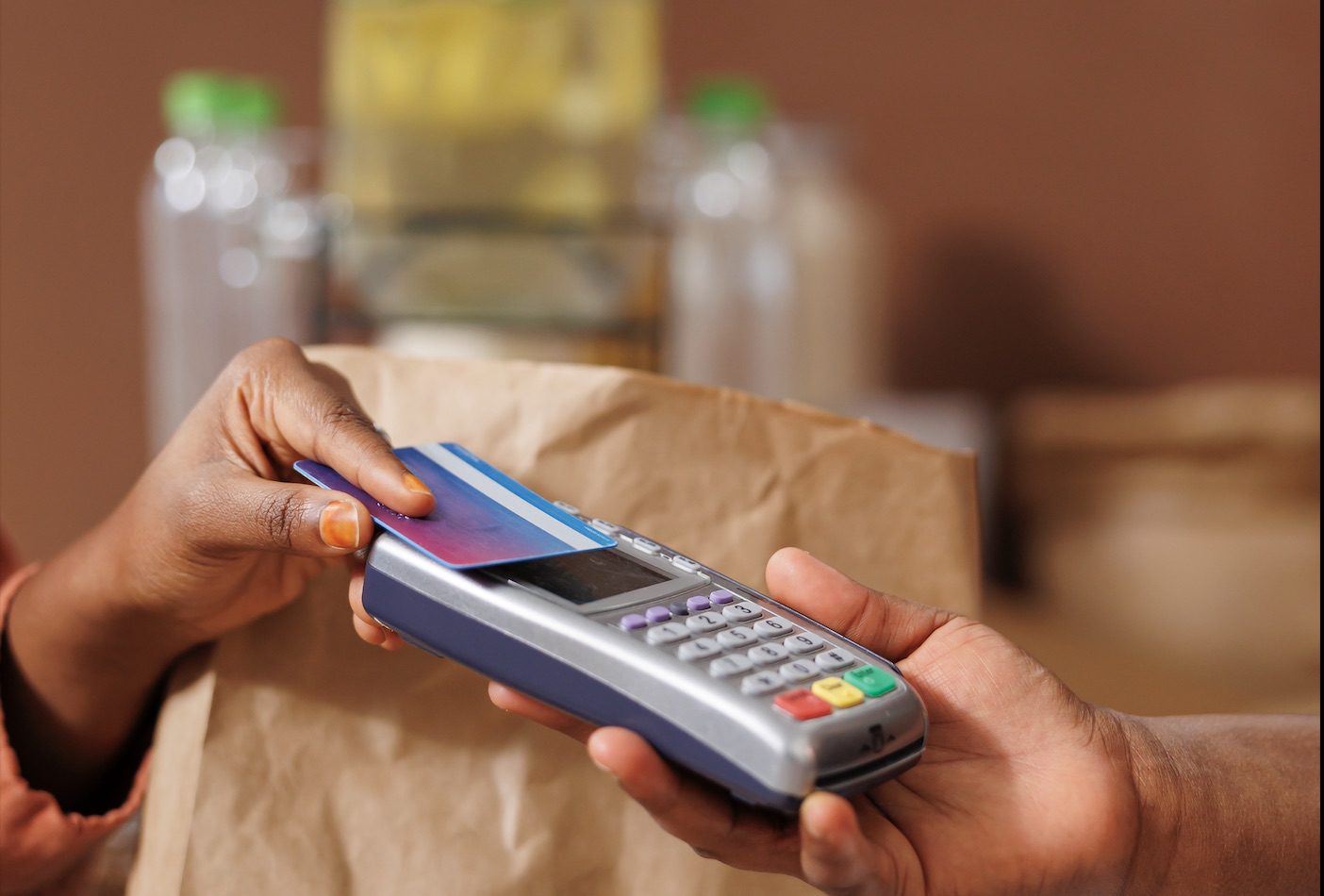
As companies roll out digital wallets, mobile banking apps, and instant transfer services, they must tackle the hurdles that drive customers back to cash. The real opportunity in Africa’s digital payment market lies not just in processing more transactions but in ensuring that digital payments are dependable and easy enough for people to choose over cash.
Also read: 48% of 5G-capable devices in Lagos and Abuja now connect to 5G – Ookla/NCC report says
