A PancakeSwap liquidity pool tied to the 79AU token was drained of $14.35 million in USDT, even though the project had locked its liquidity, a safety measure many investors rely on as proof a
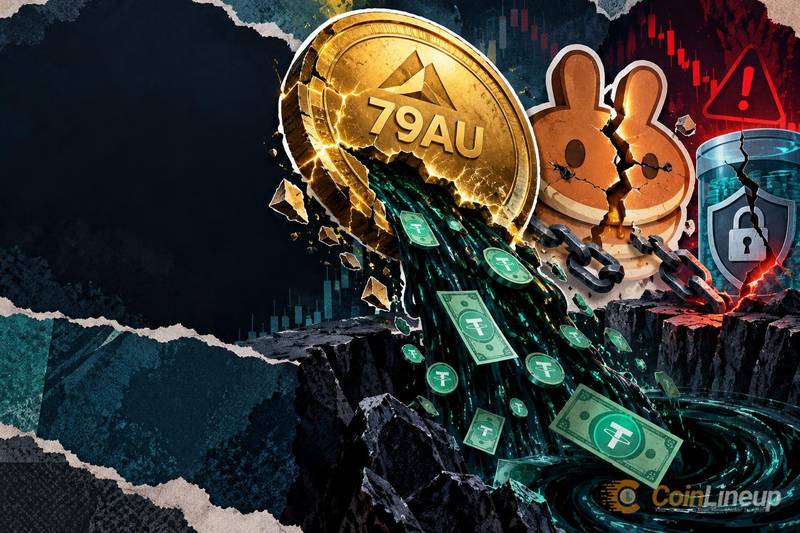
A PancakeSwap liquidity pool tied to the 79AU token was drained of $14.35 million in USDT, even though the project had locked its liquidity, a safety measure many investors rely on as proof a token is legitimate.
KEY TAKEAWAYS
- 79AU's PancakeSwap pool lost $14.35 million in USDT despite a liquidity lock being in place.
- A liquidity lock prevents the project team from withdrawing funds, but it does not protect against all attack types.
- Investors should verify smart contract audits and on-chain permissions, not just lock status.
What happened to 79AU's PancakeSwap pool
PancakeSwap is a decentralised exchange, meaning trades happen automatically through smart contracts (automated programs that run on a blockchain) rather than through a company. Tokens like 79AU create liquidity pools, which are shared pots of funds that allow buyers and sellers to trade. For related coverage, see Telegram Money Wallet: What Gram Users Need to Know.
According to CryptoSlate's reporting, the 79AU pool on PancakeSwap lost $14.35 million worth of USDT. USDT, issued by Tether, is a stablecoin pegged to the US dollar, meaning each token is designed to hold a value of $1.00. Stablecoins have become central infrastructure in DeFi pools, which is why their use in payments is also expanding, with companies adding stablecoin payment rails to enterprise platforms.
The project had implemented a liquidity lock before the incident. Liquidity locks are often promoted as a sign of trustworthiness, because they restrict the team from pulling their own funds out of the pool and disappearing, a type of scam known as a "rug pull." For related coverage, see Bitcoin Core Privacy Fix Merges Into 32.x; 31.x Open.
Why locked liquidity did not stop the drain
A liquidity lock does one specific thing: it prevents the token team from withdrawing the liquidity they deposited, typically for a set period of time. It does not make the smart contract itself secure.
Smart contracts can contain vulnerabilities in their code. They can also be written with special permissions, sometimes called admin keys or owner functions, that allow certain addresses to mint new tokens, change fees, or otherwise interact with a pool in unexpected ways. A lock on the team's own LP (liquidity provider) tokens does nothing to block those interactions.
As CryptoSlate noted, the 79AU incident illustrates precisely how a locked liquidity label can create a false sense of safety. The lock addresses one narrow risk while leaving contract-level risks untouched.
Think of it this way: locking the front door of a house proves the owner cannot leave through the front, but it says nothing about whether the windows are open or whether someone already has a copy of the key.
What the 79AU incident means for DeFi users
For anyone holding tokens or considering a DeFi investment, the 79AU incident is a reminder that a single safety signal is rarely enough. Liquidity locks are one checkbox, not the whole checklist.
Before putting money into any token project, consider checking the following:
- Smart contract audit: Has an independent security firm reviewed the contract code? An audit does not guarantee safety, but it reduces the risk of obvious vulnerabilities.
- Mint and ownership permissions: On BscScan (the block explorer for BNB Chain, where PancakeSwap operates), you can check whether the contract owner still holds special privileges that could affect the pool.
- Pool depth and concentration: A pool where a small number of wallets hold most of the liquidity is more vulnerable to sudden, large-scale movements.
- Official updates: After an incident like this, check the project's verified social channels before making any decisions about buying, selling, or holding.
Security threats across crypto continue to evolve. Europol has warned that upgrading crypto wallets to resist emerging threats could take years, underscoring that on-chain due diligence matters more than surface-level signals like a liquidity lock.
For newcomers, the practical rule is straightforward: a lock on liquidity tells you the team cannot easily rug pull, but it tells you nothing about whether the contract is safe, whether the code has been audited, or whether the project can withstand an exploit. Treat locked liquidity as a minimum bar, not a seal of approval. Understanding how capital flows into and out of crypto markets can also help you read broader risk signals before committing funds to newer token projects.
Disclaimer: This article is for informational purposes only and does not constitute financial or investment advice. Cryptocurrency and digital asset markets carry significant risk. Always verify information through official sources before making decisions.
Disclaimer: This article is for informational purposes only and does not constitute financial or investment advice. Cryptocurrency and digital asset markets carry significant risk. Always do your own research before making decisions.
Read original article on coinlineup.com