OpenAI launched Dots, its new always-on AI agents, on September 29, but the obvious dots.com address leads to a fashion retailer’s website rather than the new AI product. A check of the singu
OpenAI launched Dots, its new always-on AI agents, on September 29, but the obvious dots.com address leads to a fashion retailer’s website rather than the new AI product. A check of the singular dot.com domain presents a different situation. The domain currently redirects visitors to an xAI page for Grok, according to a check carried out on October 2nd.
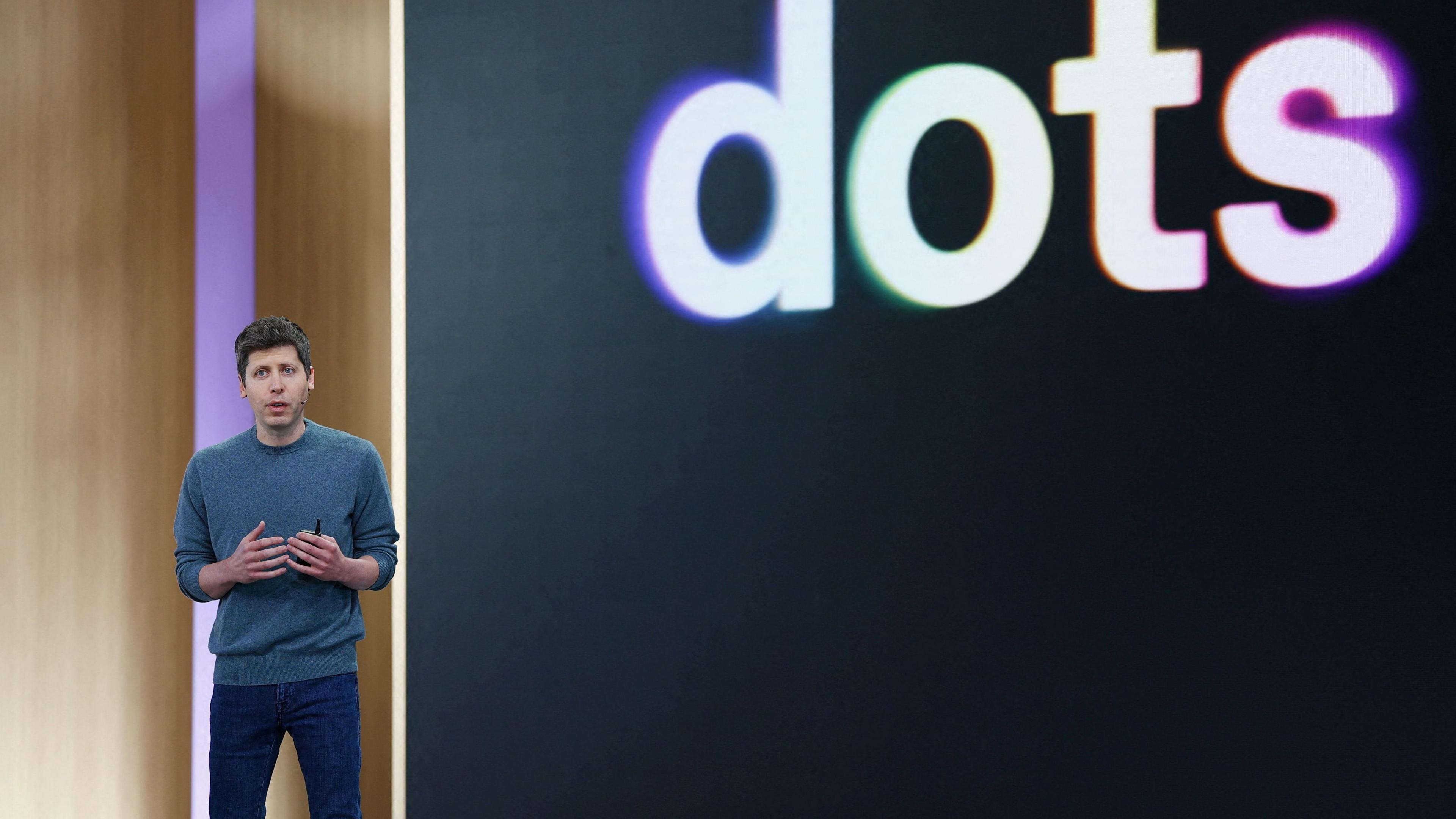
OpenAI announced Dots at its DevDay event on September 29 and described them as always-on AI agents designed to work on users’ goals. The media reported after the launch that the domain had been transferred in July.
The two domains illustrate a problem startups can face when a product name and its most obvious web address do not match. For a new company, checking that relationship before announcing a product can prevent confusion, impersonation risks and an expensive scramble for a domain later.
Dots is accessible through ChatGPT, giving the company an existing platform through which users can find the product. Smaller startups may not have the same built-in distribution, making their choice of name, domain and online identity relatively important.
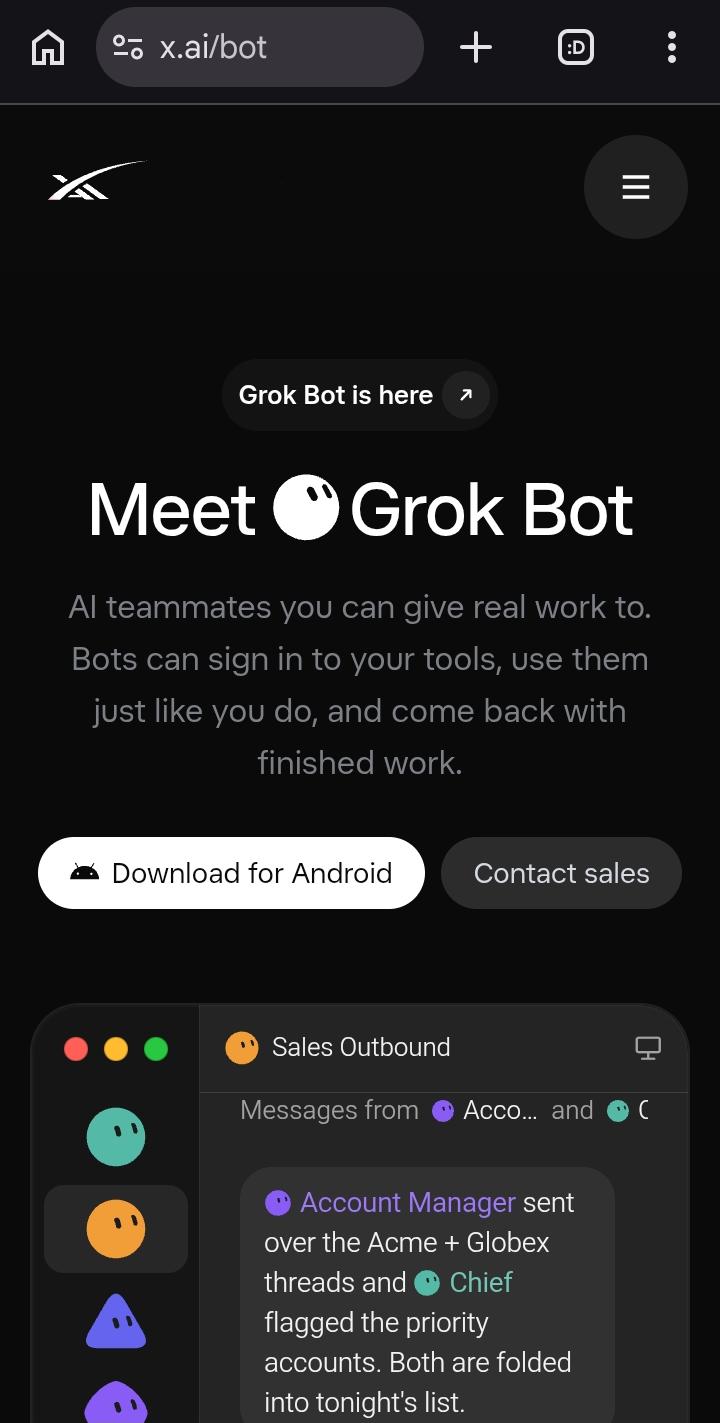
The result of searching dot.com
Does it matter if you don’t own a matching domain?
A product name without its matching domain can create confusion when users try to find it. An obvious address may lead to an unrelated business, a competitor’s service or a domain that simply redirects visitors somewhere else.
That does not necessarily mean a company has done anything wrong. A sought-after domain may have been registered years earlier, and the owner may have no interest in selling it.
But the problem becomes more significant when a company launches a product using a name that is already associated with other websites or online identities.
It can also create an impersonation risk. If the official product uses a less obvious address, someone else can register similar domains and use them to make a website appear connected to the real service.
There is also a domain acquisition cost after a launch. Once a name becomes commercially valuable, its owner may have less reason to sell it cheaply.
For startups, the lesson is not that every product must own the exact .com address. It is that founders should know what exists around a name before committing to it.
Read also: Creative hacks to get a website domain that stands out
How startups should check a name before launch, to avoid Dot’s situation
1- Search the exact domain and close variants.
Start with the obvious .com address, then check variations and relevant country-code domains. Do this while the name is still being considered rather than after the product has been announced.
2-Check the registration record.
ICANN’s registration-data lookup service can show publicly available information about a domain, including registration and registrar details. Some records will have personal information hidden because of privacy protections, so a lookup may not identify the actual person or company behind a domain.
The creation date is also useful because it shows when the domain was first registered. It does not necessarily tell you when the current owner acquired it.
3-Open the domain yourself.
An unavailable domain is not necessarily an active website. It may be parked, unused or configured to redirect visitors somewhere else. That is why checking the address in a browser should be part of the naming process. In the case of dot.com, the domain does not simply sit unused. It currently redirects visitors to an xAI page for Grok.
4-Check the redirects.
A domain can point somewhere different from what its name suggests. Founders should therefore check whether an unavailable address redirects to another company, product or service before deciding whether to proceed with the name.
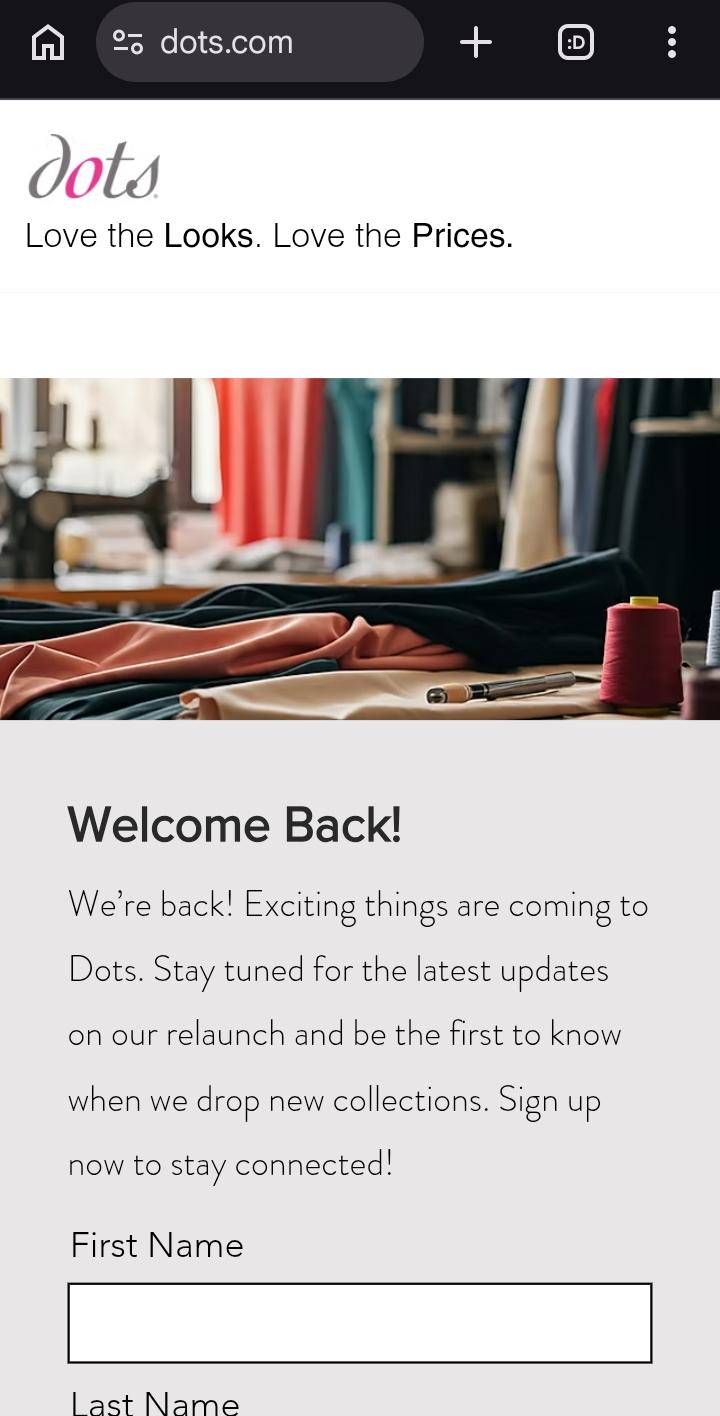
The result of searching for dots.com
5-Check Nigerian domain options.
For Nigerian startups, the .ng domain space provides another option when a .com address is unavailable. The Nigeria Internet Registration Association (NiRA) manages the .ng country-code top-level domain, while registrations are handled through accredited registrars.
A startup could therefore check options such as .ng and .com.ng alongside the conventional .com.
7-Check social media handles.
The domain is only one part of a startup’s online identity. Founders should also check whether the name is available on platforms where they expect customers to find them, including X, Instagram, LinkedIn and TikTok.
A name that is available as a domain but heavily associated with another company across social platforms can still create confusion.
8- Check trademarks separately.
A domain registration does not automatically give a company exclusive rights to a brand name.
Domain registration determines who controls a particular internet address, while trademark registration concerns legal protection for a name, mark or other identifier in specified categories of goods and services.
For a Nigerian startup, checking the relevant trademark records before committing to a name can therefore be as important as checking the domain.
When should you check?
The checks should happen before the company prints marketing materials, builds a website around the name, prepares a pitch deck or publicly announces the product.
R
egistering an available domain is often a relatively small part of the cost of launching a company. Changing a product name after customers have already encountered it can involve a much larger exercise across websites, social media accounts, marketing materials and other digital assets.
The aim is not necessarily to own every possible version of a name. It is to understand what already exists and decide whether the remaining options give the startup enough room to build a distinct identity.
OpenAI can rely on ChatGPT as the existing platform through which users can access Dots. For a smaller startup without an established product ecosystem, checking the domain, social handles and trademark landscape before announcing a name can help avoid a similar branding problem.
