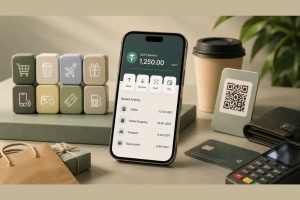
Most crypto wallets are built to store assets and occasionally send them. Spending is an afterthought. A crypto wallet for spending stablecoins is different: it puts a card, a tap-to-pay flow
Most crypto wallets are built to store assets and occasionally send them. Spending is an afterthought.
A crypto wallet for spending stablecoins is different: it puts a card, a tap-to-pay flow, or a merchant checkout at the center, so USDC and USDT work like money you actually use, not money you park.
That distinction narrows the field fast. The eight below earn a place because each gives you a real way to spend a stablecoin balance, and they split into two camps: wallets built around a card, and wallets built around direct on-chain payment.
Wallets Built Around a Card
These lead with a physical or virtual card that draws on your stablecoin balance and settles over Visa or Mastercard rails, so any shop that takes a card takes your USDC.
The MetaMask Card turns the most widely used Web3 wallet into a spending tool. It draws USDC or USDT directly from your self-custodied balance, letting you spend USDC in stores anywhere Mastercard is accepted.
- How you spend:a Mastercard debit card, plus Apple Pay and Google Pay for contactless taps.
- What it costs: no monthly fee, with cashback offered in the 1% to 3% range on eligible spend.
- The catch: card availability still varies by region, so coverage depends on where you live.
2. Bitget Wallet
Bitget Wallet pairs broad multi-chain support with a card program, making it a crypto wallet with debit card functionality alongside its swap and earn tools. It keeps custody on your device.
- How you spend: a linked card for everyday purchases, drawing on stablecoin and crypto balances.
- What it costs: competitive fees with card spending and no custody charge for holding.
- The catch: the app packs a lot around payments, so the spending flow shares space with trading features.
3. OKX Wallet
OKX Pay adds a spending layer to OKX’s self-custody wallet, letting a stablecoin balance move at checkout without leaving the non-custodial setup. It is a genuine non-custodial wallet with card access.
- How you spend: OKX Pay plus card options, drawing on USDC or USDT held in the wallet.
- What it costs: cashback on eligible spend, with standard network fees on transfers.
- The catch: the broader OKX ecosystem is feature-dense, which suits active users more than minimalists.
The Payment-First Wallets
These skip the card network and pay merchants directly on-chain, through WalletConnect Pay or a native checkout, so the stablecoin goes straight from your wallet to the seller.
4. IronWallet
IronWallet is a non-custodial multi-chain crypto wallet with no KYC, 10,000+ supported assets, gasless stablecoin transfers, and WalletConnect Pay integration. As a gasless stablecoin wallet, its mechanics matter for spending: paying with USDT on Tron takes the fee from the stablecoin, so you never need a separate gas token at purchase.
- How you spend: WalletConnect Pay at supporting merchants, plus direct stablecoin sends.
- What it costs: gasless USDT and USDC transfers, with the fee drawn from the stablecoin.
- The catch: WalletConnect Pay acceptance is still expanding, so merchant coverage is early.
5. Trust Wallet
Trust Wallet reaches spending through WalletConnect Pay, and as a wallet to pay with USDT across more than 100 chains, it holds whatever stablecoin a merchant asks for. Its scale means many people already have it installed.
- How you spend: WalletConnect Pay at enabled terminals, plus standard on-chain sends.
- What it costs: standard network fees, so a TRC-20 send needs a little TRX on hand.
- The catch: no native card, so spending depends on WalletConnect Pay acceptance nearby.
6. Coinbase Wallet
Coinbase Wallet leans on Base, where gasless USDC transfers through its Smart Wallet make small payments practical. It connects to the wider Coinbase spending ecosystem while staying self-custodial.
- How you spend: gasless USDC on Base, plus links to Coinbase’s card and commerce tools.
- What it costs: near-zero fees for USDC on Base, with the gas abstracted away.
- The catch: coverage skips Tron, so the cheapest USDT rail is off the table here.
Stablecoin-Native Newcomers
These wallets were built from the start around spending a stablecoin balance, not trading, and they show it in how little friction sits between balance and purchase.
7. Bleap
Bleap is a self-custodial wallet built around a card, with no exchange attached. It converts your stablecoin balance to fiat at the point of sale with no added FX markup, which keeps everyday spending clean.
- How you spend: a Visa or Mastercard card, plus Apple Pay and Google Pay contactless.
- What it costs:no FX markup at checkout, a strong pitch for a crypto card for everyday spending.
- The catch: newer and smaller than the majors, so the track record is shorter.
8. Kast
Kast is a smart-account wallet with a stablecoin card that reaches 140-plus countries. Its basic tier asks for little verification, and it treats USDC and USDT as the primary balance, not an afterthought.
- How you spend: a stablecoin debit card with wide international coverage.
- What it costs: tiered fees, with cashback on higher tiers, as a purpose-built stablecoin debit card wallet.
- The catch: a younger product, so features and coverage are still maturing.
From Card to Checkout: Side by Side
The eight sorts are clearly divided by how you spend, which is the fastest way to pick.
WalletHow you spendCustodyStandoutMetaMaskMastercard + contactlessSelf-custodyWidest card acceptanceBitgetLinked cardSelf-custodyCard plus multi-chainOKXOKX Pay + cardSelf-custodyCashback at checkoutIronWalletWalletConnect PaySelf-custody, no KYCGasless stablecoin spendTrustWalletConnect PaySelf-custodyHuge installed baseCoinbaseGasless USDC on BaseSelf-custodyNear-free Base paymentsBleapCard, no FX markupSelf-custodyClean fiat conversionKastStablecoin cardSmart account140+ country reach
How to Choose the One You Will Use
The best stablecoin wallet for everyday use depends on how you want to spend. If you want to pay anywhere a card works today, a card-first wallet such as MetaMask, Bleap, or Kast fits, since card rails already reach nearly every shop.
If you would rather pay merchants directly on-chain and skip the card network, a payment-first wallet such as IronWallet or Trust Wallet suits, though that path depends on WalletConnect Pay acceptance growing.
And if you live mostly on one network, matching the wallet to that chain, Base for Coinbase or Tron for a gasless setup, keeps costs lowest.
The Bottom Line
Spending a stablecoin used to mean cashing out first. The wallets here remove that step, whether through a card that spends USDC like a bank balance or a direct payment that hands the stablecoin straight to a merchant.
Pick for how you actually shop. A card-first wallet wins on reach today, a payment-first wallet wins on cost and self-custody purity, and the newcomers show how quickly spending is becoming the point instead of a feature bolted on late.
Disclaimer: This content is meant to inform and should not be considered financial advice. The views expressed in this article may include the author’s personal opinions and do not represent Times Tabloid’s opinion. Readers are advised to conduct thorough research before making any investment decisions. Any action taken by the reader is strictly at their own risk. Times Tabloid is not responsible for any financial losses.
The post 8 Wallets Made for Spending Stablecoins (Not Just Holding Them) appeared first on Times Tabloid.