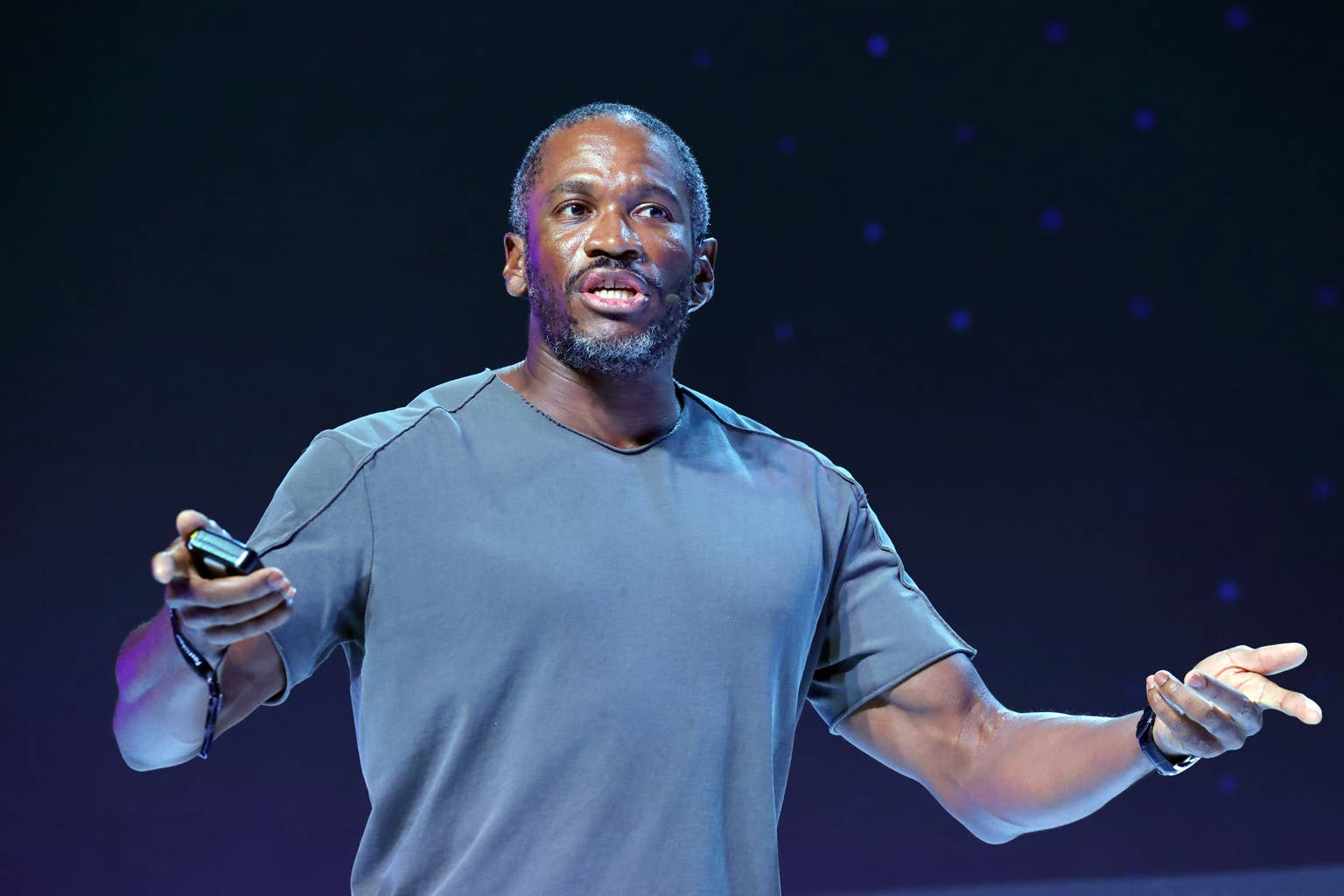
BitMEX co-founder Arthur Hayes says the artificial intelligence boom may stumble. But he does not expect it to collapse like the 2008 financial crisis. His reasoning is not that AI companies
BitMEX co-founder Arthur Hayes says the artificial intelligence boom may stumble. But he does not expect it to collapse like the 2008 financial crisis.
His reasoning is not that AI companies are necessarily healthy. It is that the industry has become too important, too leveraged and too connected to the financial system for governments to let it fail outright.
“I think that the AI bubble might wobble, but it’s not going to burst because governments are gonna bail out all of the companies,” Hayes said in an Oct. 22 interview with Sujal Jethwani.
That argument is landing as investors become increasingly nervous about the cost of the AI buildout.
Related: Mace Ai founders warn of AI double agents amid banks detecting unauthorized AI agents
CoreWeave, one of the most aggressive borrowers in AI infrastructure, has accumulated about $50 billion in debt. Its bonds recently traded at distressed levels as investors questioned whether future AI revenues can justify the borrowing behind new data centers.
Gartner added to those concerns on Oct. 14, warning that more than $3.5 trillion of AI infrastructure investment could be exposed to impairment by 2030 if revenue fails to keep pace with spending.
Hayes says don’t short AI, ‘play the bailout’
Hayes argues that banks, insurers and other lenders are now too exposed to AI infrastructure for policymakers to ignore a major downturn.
“When Anthropic and OpenAI and SpaceX are unable to meet their commitments to purchase compute, the governments will step in and bail it out,” he said.
That remains Hayes’s forecast, not an announced government policy.
Popular on TheStreet Roundtable:
His investment takeaway is equally direct.
“If we’re bearish on AI, you shouldn’t short these companies,” Hayes said. “But go long the bailout.”
He compared the setup with 2008, when shorting banks and mortgage companies could be profitable but extremely difficult to time.
Instead, Hayes argues investors should focus on assets that could benefit if governments respond to an AI crisis with aggressive monetary support.
“Bitcoin and crypto benefits. Gold benefits,” he said. “These are the scarce financial assets that go up a lot in price when the authorities print money.”
The pressure is already spreading beyond smaller AI firms. Meta’s credit-risk indicator hit a record high this week after the company raised its AI spending outlook, while broader technology shares have been hit by renewed concerns about debt and returns.
The Roundtable 100
If you follow our market coverage, don’t miss the Roundtable 100. Updated every Friday, it's a power ranking of the 100 most investable tech stocks, including digital assets. Check out the latest RTB 100 rankings at roundtable100.com.
Related: Goldman Sachs revises rating and target on beaten-down AI stock