Real estate remains one of the world's major asset classes, yet access to its market is often constrained by complex transactions, limited transparency, and low liquidity. For the digital ass
Real estate remains one of the world's major asset classes, yet access to its market is often constrained by complex transactions, limited transparency, and low liquidity. For the digital asset industry, the challenge is different: creating tokens with practical applications rather than relying primarily on market trading. The intersection of these challenges has opened opportunities for blockchain-based approaches to property services.
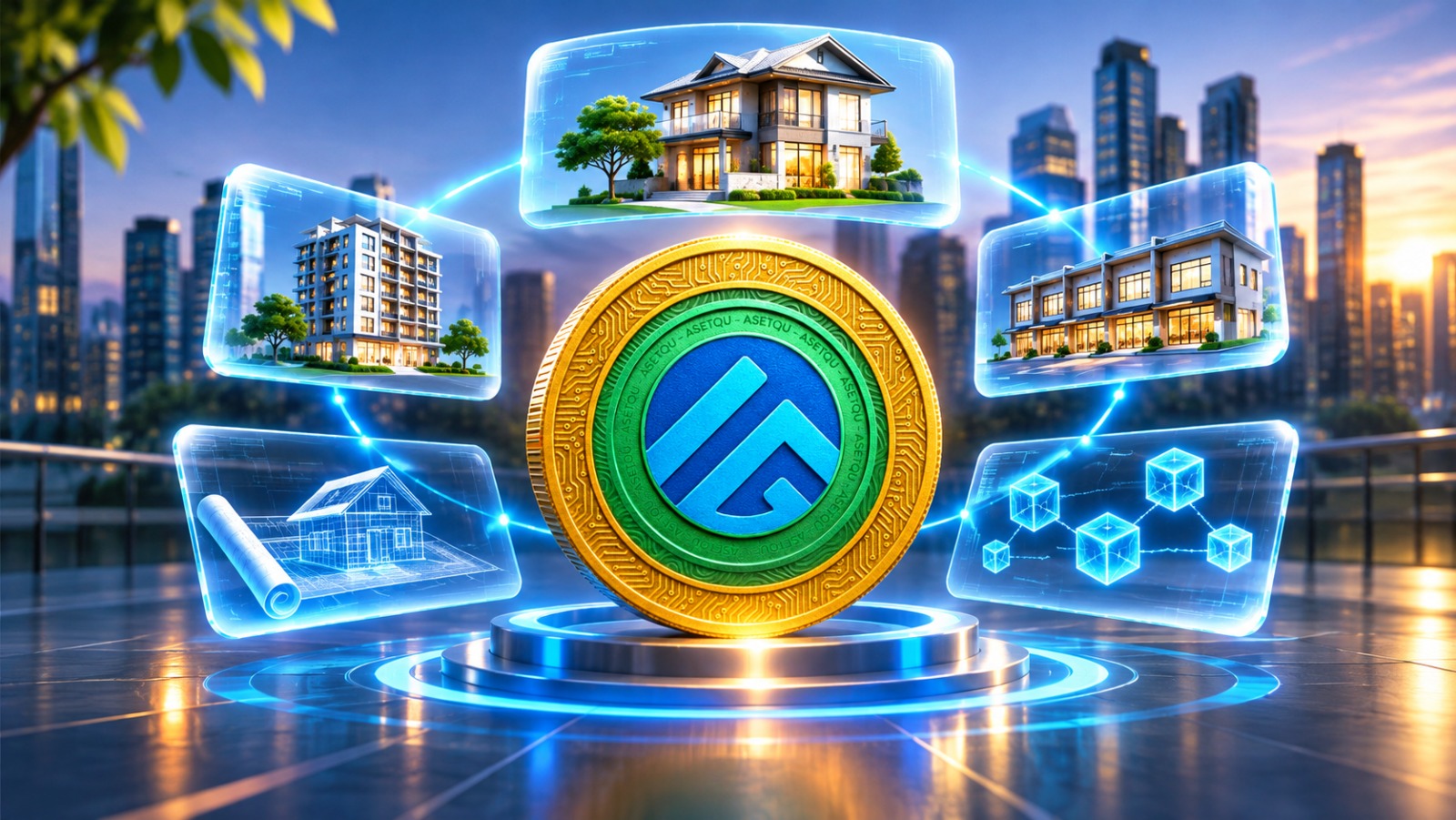
AsetQu is built around this intersection. The project aims to connect the conventional property sector with the digital asset economy through blockchain technology. Its approach goes beyond introducing another digital asset to the market. Instead, it focuses on giving the token a specific function within a property-related service ecosystem.
At the center of this model is AsetQu, a utility token designed to unlock access to digital property services within the AsetQu Hub ecosystem. This gives the token a defined purpose beyond trading, connecting its use to services within the platform. The distinction is important in an industry where the presence of a token does not necessarily translate into meaningful utility.
For real estate, digital infrastructure could create new ways for users to access property-related services and interact with information. However, blockchain adoption alone cannot resolve longstanding industry challenges. Transparency requires reliable information, accessibility depends on understandable processes, and liquidity relies on actual market participation. These outcomes depend on how a platform's services are implemented and used.
AsetQu's model also highlights the need to distinguish utility from ownership. A utility token that provides access to digital services does not automatically represent legal ownership of physical property. Its function, associated rights, and limitations depend on the project's terms and arrangements. Clear communication is therefore essential for users assessing what the token actually provides.
As real estate and digital assets become increasingly connected, the next phase of tokenization will be shaped by the usefulness of the services built around each asset. For AsetQu, the opportunity lies in connecting blockchain-based utility with property-related activities. Its long-term relevance will depend on whether that connection delivers practical value, builds user confidence, and encourages sustained participation.
Instagram : @asetqu_official
Tiktok : @asetqu_official
Twitter : @AsetQu_Official
Website : www. asetquhub.com