The tokenization market is attracting attention as financial institutions explore ways to bring real-world assets onto blockchain networks. Standard Chartered has projected that tokenized ass
The tokenization market is attracting attention as financial institutions explore ways to bring real-world assets onto blockchain networks. Standard Chartered has projected that tokenized assets and stablecoins could reach a combined $4 trillion by 2028. Yet the expansion of this market raises a more practical question: what can blockchain infrastructure actually do for the assets it represents?
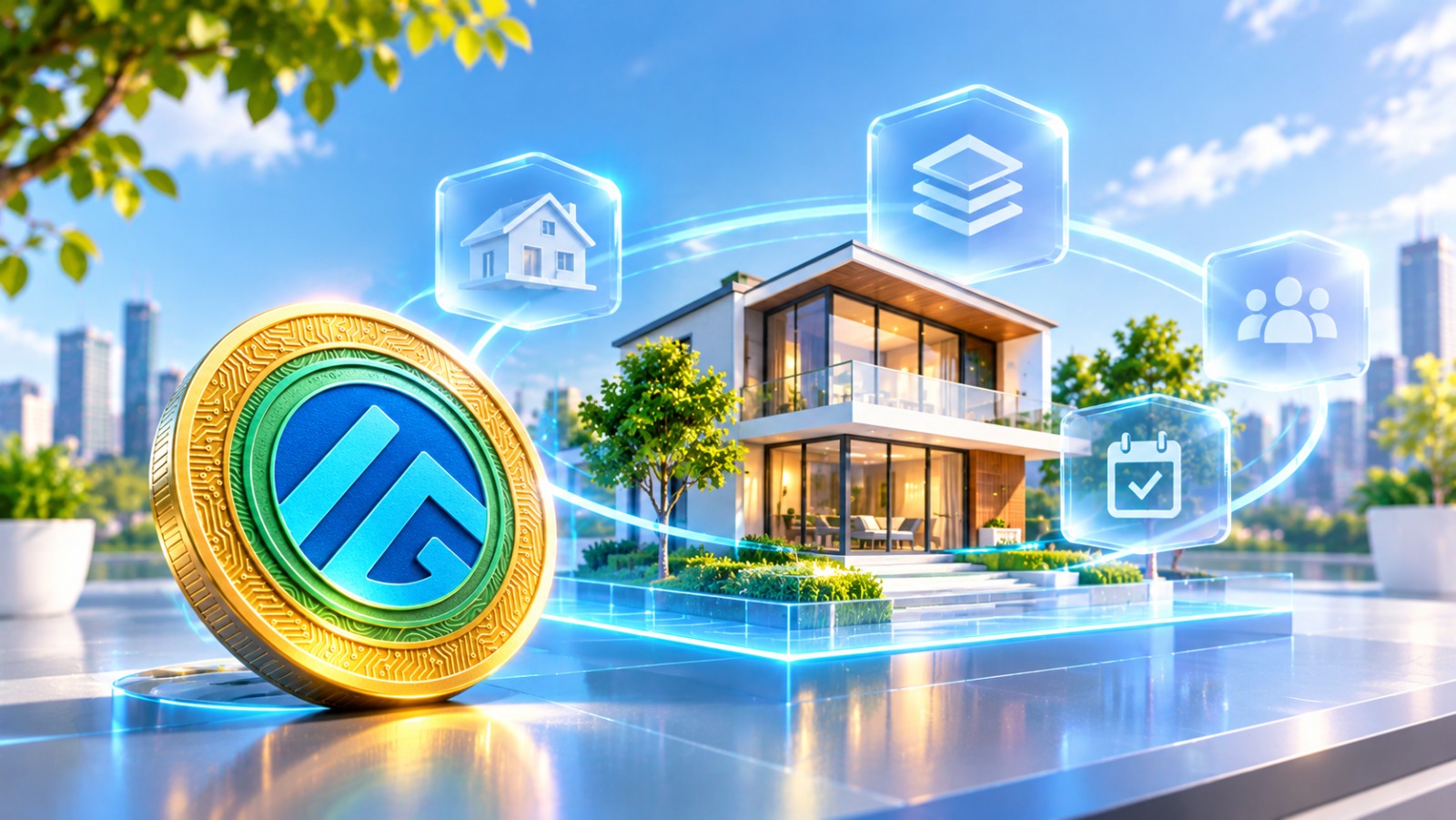
AsetQu focuses on applying tokenization to property, a sector where asset value is closely tied to ownership rights, documentation, and the ability to conduct transactions. Bringing real estate into a digital ecosystem is not simply a matter of creating tokens. It also requires services that help users access property information and participate in property-related activities.
This broader approach is reflected in AsetQu Hub, which includes PropriMarket, a property marketplace, and PropriBid, a property auction service. These features extend the ecosystem into property listings and auction activities, placing digital services alongside the concept of property tokenization.
The distinction matters because tokenization alone does not solve the longstanding challenges of real estate markets. Property assets can be difficult to evaluate, transactions involve legal and administrative requirements, and ownership arrangements must be clearly established. Blockchain infrastructure may support digital records and transaction processes, but it cannot replace the legal framework that determines ownership and the rights attached to an asset.
Liquidity also requires more than digital representation. A token linked to property does not automatically guarantee a buyer, an active secondary market, or the ability to sell at any time. Those outcomes depend on market demand, the structure of the offering, and the rights available to token holders.
AsetQu’s property-focused ecosystem therefore sits within a wider question facing real-world asset tokenization: whether blockchain-based services can connect digital asset representation with practical market activity. The development of marketplaces and auction services offers one way to approach that challenge, although their long-term impact depends on adoption, transaction activity, and the reliability of the underlying asset information.
As tokenization moves toward a potentially larger market, the distinction between issuing a digital asset and building a useful ecosystem is likely to become increasingly important. For property, meaningful progress will depend not only on putting assets on-chain, but also on making the information, rights, and processes surrounding those assets clear enough for people to use with confidence.
Instagram : @asetqu_official
Tiktok : @asetqu_official
Twitter : @AsetQu_Official
Website : www. asetquhub.com