The tokenization market is expanding, but its growth raises a more difficult question: are digital assets creating functioning markets or simply adding new instruments to existing ones? Globa
The tokenization market is expanding, but its growth raises a more difficult question: are digital assets creating functioning markets or simply adding new instruments to existing ones? Global tokenized real-world asset (RWA) value reached $38.6 billion in September 2026, increasing 51.3% since January. Yet rising asset value does not necessarily indicate stronger liquidity, reliable pricing, or meaningful secondary-market activity.
Asia presents an interesting contrast. Intra-Asia-Pacific stablecoin transfers reached $55.7 billion between January and October 2026, accounting for 50.8% of tracked regional payment corridor volume. Despite this activity, local-currency stablecoins remain limited, while dollar-denominated assets continue to dominate transactions. This suggests that strong digital payment networks do not automatically translate into deeper markets for tokenized investments.

source: Tokenized RWA value (Coindesk), 2026
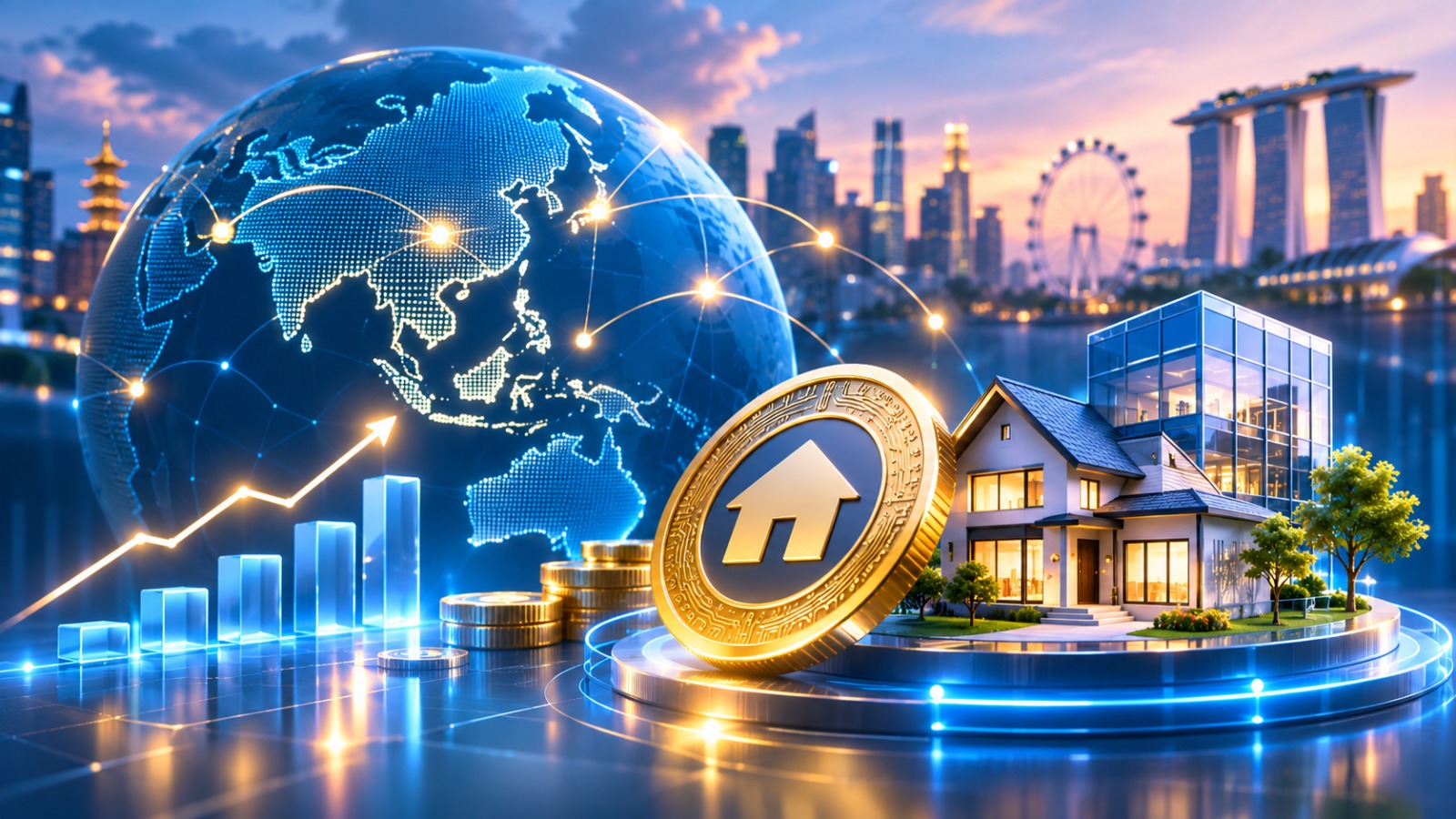
The challenge becomes more complex in real estate. Unlike government securities, property assets lack standardized pricing and operate under different ownership structures, legal systems, and valuation practices. Putting property interests onchain may improve their digital representation and transferability, but it cannot independently resolve questions about asset valuation, enforceable rights, or investor exits. These structural differences make property tokenization more complex than simply digitizing conventional financial instruments.
In Indonesia, AsetQu is part of the emerging property-tokenization landscape. Its focus on bringing property into a blockchain-based framework reflects an effort to connect real-world assets with digital investment infrastructure. However, the significance of initiatives like this extends beyond token issuance. Their long-term relevance depends on how accurately digital tokens represent underlying property interests, how clearly investor rights are defined, and whether the market can support meaningful participation.
Fractional ownership, meanwhile, should not be confused with market liquidity. Lower investment thresholds may widen access, but they do not guarantee buyers, reliable valuations, or opportunities to exit. For property tokenization platforms, building investor confidence requires more than blockchain infrastructure. Asset transparency, legal clarity, and mechanisms connecting digital ownership with underlying property remain equally important.
Asia's next phase of RWA development will therefore be judged by the quality of its markets, not just the value of assets issued. For initiatives such as AsetQu, the broader industry challenge is whether blockchain-based property interests can become credible and usable financial instruments. Tokenization may change how property is represented, but building a functioning market around it remains the harder task.
Instagram : @asetqu_official
Tiktok : @asetqu_official
Twitter : @AsetQu_Official
Website : www. asetquhub.com