BitcoinWorld Australia CPI Preview: May Inflation Expected to Edge Higher on Energy Pass-Through The Australian Bureau of Statistics is set to release the May Consumer Price Index (CPI) data
BitcoinWorld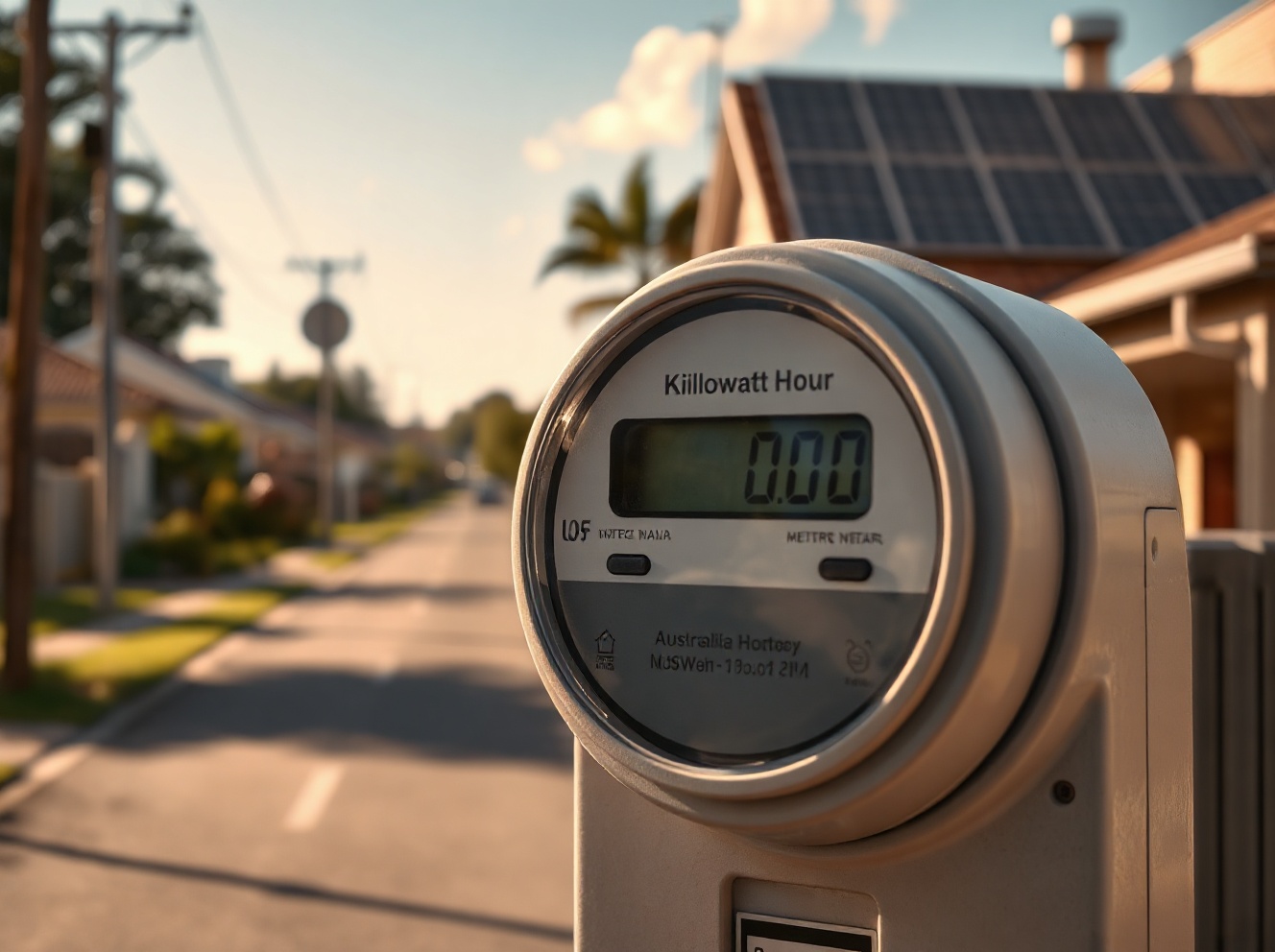 Australia CPI Preview: May Inflation Expected to Edge Higher on Energy Pass-Through
The Australian Bureau of Statistics is set to release the May Consumer Price Index (CPI) data this week, with economists widely expecting a modest uptick in the annual inflation rate. The anticipated increase is largely attributed to the pass-through of higher energy costs, following the end of government energy bill relief programs in several states.
Energy Shock Pass-Through to Drive Headline Inflation
Market consensus points to the monthly CPI indicator rising to an annual rate of approximately 3.6% in May, up from 3.4% in April. The primary driver is the unwinding of temporary energy subsidies that had previously suppressed electricity and gas prices. As those subsidies expired, retailers have begun passing on higher wholesale costs to households and businesses.
Analysts at major Australian banks have noted that electricity prices alone could add 0.2 to 0.3 percentage points to the headline CPI figure. This energy-led inflation is considered a supply-side shock rather than a sign of sustained demand-driven price pressures, which complicates the policy outlook for the Reserve Bank of Australia (RBA).
Core Inflation and RBA Implications
While the headline figure is expected to rise, the trimmed mean CPI — the RBA’s preferred measure of underlying inflation — is forecast to remain relatively stable, possibly edging down to 3.8% from 3.9%. This divergence between headline and core inflation is critical for monetary policy. The RBA has signaled that it is wary of raising rates further unless demand-side inflation proves persistent.
The energy price pass-through is largely a one-off adjustment, meaning it may not trigger a sustained tightening cycle. However, if the pass-through feeds into broader price expectations or wage demands, the RBA could face renewed pressure to act. Markets are currently pricing in a low probability of a rate hike at the RBA’s next meeting, but the May CPI data will be closely scrutinized for any signs of second-round effects.
What This Means for Households and Businesses
For Australian households, the immediate impact is higher electricity and gas bills, which reduce real disposable income. This is particularly challenging for low-income households that spend a larger share of their budget on essentials. For businesses, especially in energy-intensive sectors like manufacturing and agriculture, rising input costs may squeeze margins and potentially lead to higher prices for goods and services down the line.
The data also comes at a time when consumer confidence remains fragile, and retail spending has softened. The combination of rising energy costs and subdued spending creates a complex environment for policymakers trying to balance inflation control with economic growth.
Conclusion
The May CPI release is a key data point for the RBA and financial markets. While the headline inflation rate is likely to tick up due to the energy pass-through, the underlying trend may still be moving in the right direction. Investors and policymakers will focus on the composition of the inflation data rather than the headline alone. The RBA’s next decision in July will weigh this data alongside labor market conditions and global economic developments.
FAQs
Q1: What is the expected May CPI figure for Australia?Economists forecast the monthly CPI indicator to rise to around 3.6% annually, up from 3.4% in April, driven mainly by higher energy costs.
Q2: Why are energy prices pushing inflation higher?Temporary government energy bill relief programs have ended in several states, allowing electricity and gas retailers to pass through higher wholesale costs to consumers.
Q3: Will this inflation data force the RBA to raise interest rates?Not necessarily. The RBA is expected to look through the one-off energy price effect and focus on underlying inflation. The trimmed mean CPI is forecast to remain stable or edge lower, reducing the immediate case for a rate hike.
This post Australia CPI Preview: May Inflation Expected to Edge Higher on Energy Pass-Through first appeared on BitcoinWorld.