

DeFi3 min read
AI Agent Payments Expand Across XRP Ledger
XRPL tracked payments reportedly rose from one million to 7.09 million between July and September, showing faster machine activity. The XRPL AI Hub reportedly lists 160 merchants and 2,276 li
BitcoinWorld Australia Export Price Index Rises 1.1% in Q2, Accelerating from Previous Quarter Australia’s Export Price Index rose 1.1% quarter-on-quarter in the second quarter of 2024, accel
BitcoinWorld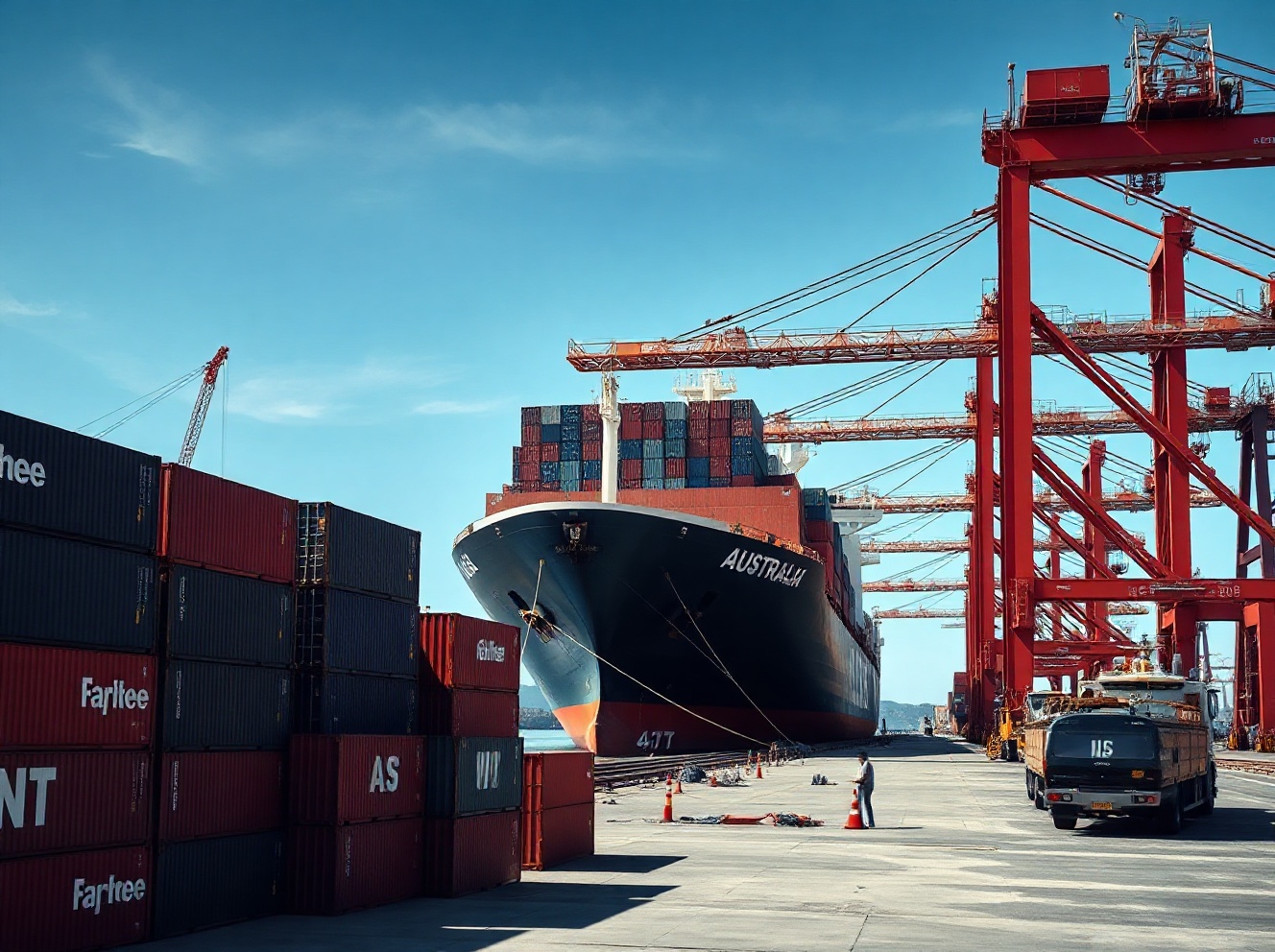 Australia Export Price Index Rises 1.1% in Q2, Accelerating from Previous Quarter
Australia’s Export Price Index rose 1.1% quarter-on-quarter in the second quarter of 2024, accelerating from a 0.5% increase recorded in the first quarter, according to the latest data. The uptick reflects shifting global demand for key Australian exports, including energy and agricultural commodities.
The quarterly gain was supported by higher prices for Australia’s major export categories. Iron ore, the country’s top export, saw moderate price increases amid steady demand from China’s steel sector. LNG and coal prices also contributed positively, recovering from earlier declines as global energy markets adjusted to supply chain realignments.
Agricultural exports, including wheat and beef, added further upward pressure, benefiting from tighter global supply conditions. The data, released by the Australian Bureau of Statistics, underscores the sensitivity of Australia’s trade income to commodity price fluctuations.
The stronger export price index is a positive signal for Australia’s terms of trade, which measures export prices relative to import prices. An improving terms of trade typically boosts national income and supports the Australian dollar. However, the Reserve Bank of Australia (RBA) will be watching closely, as rising export earnings can feed into domestic inflation through higher incomes and spending.
For currency and commodity traders, the data reinforces expectations that Australia’s trade surplus will remain robust in the near term. Businesses reliant on imported inputs may face continued cost pressures if the Australian dollar does not appreciate enough to offset global price rises. Exporters, particularly in the resources and agriculture sectors, are likely to benefit from improved margins.
The 1.1% quarterly rise in Australia’s Export Price Index marks a clear acceleration from the previous quarter, driven by strength in both resource and agricultural commodity prices. While the data supports Australia’s trade balance and national income, it also adds complexity to the RBA’s inflation management task. The coming quarters will reveal whether this trend persists as global demand patterns evolve.
Q1: What is the Australia Export Price Index?The Export Price Index measures changes in the prices of goods exported from Australia. It is a key indicator of the country’s trade performance and terms of trade.
Q2: Why did the index rise in Q2 2024?The rise was driven by higher prices for major Australian exports including iron ore, LNG, coal, and agricultural products like wheat and beef.
Q3: How does this affect the Australian dollar?A higher export price index generally improves Australia’s terms of trade, which can support the Australian dollar by increasing demand for the currency from export earnings.
This post Australia Export Price Index Rises 1.1% in Q2, Accelerating from Previous Quarter first appeared on BitcoinWorld.