BitcoinWorld Australian Dollar Holds Above 0.7000 After Resilient Labor Data The Australian Dollar (AUD) maintained its position above the key psychological level of 0.7000 against the US Dol
BitcoinWorld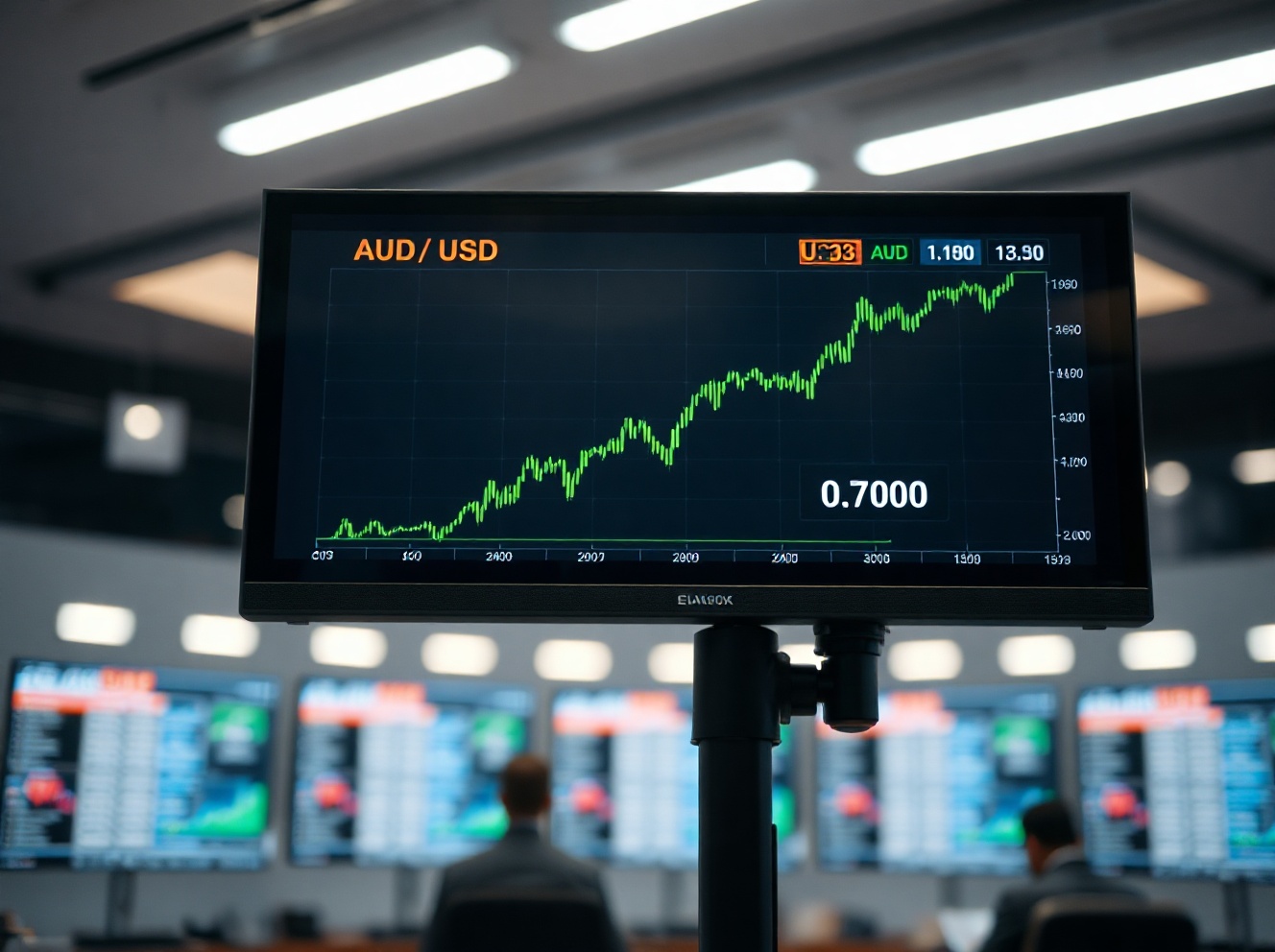 Australian Dollar Holds Above 0.7000 After Resilient Labor Data
The Australian Dollar (AUD) maintained its position above the key psychological level of 0.7000 against the US Dollar (USD) on Wednesday, supported by a resilient domestic labor market report that surprised analysts. The data, released by the Australian Bureau of Statistics, showed the economy added 38,000 jobs in October, significantly exceeding market expectations of a 20,000 increase. This strength in employment has reinforced the view that the Reserve Bank of Australia (RBA) may need to maintain a tighter monetary policy stance for longer than previously anticipated.
Labor Market Strength Defies Expectations
The October employment report revealed a decline in the unemployment rate to 3.8%, down from 3.9% in September, while the participation rate held steady at 66.8%. The data underscores the ongoing resilience of the Australian economy despite elevated interest rates and a global economic slowdown. The Australian Dollar reacted positively to the figures, climbing from an intraday low of 0.6980 to a high of 0.7040 before consolidating near the 0.7020 mark.
Implications for RBA Policy and the AUD
The robust labor data provides the RBA with cover to hold interest rates steady at its December meeting, maintaining the current cash rate of 4.35%. Markets had previously priced in a 30% chance of a rate cut by February 2025, but the strong jobs report has pushed those expectations out. A tighter labor market typically supports wage growth and consumer spending, which can sustain inflationary pressures. This scenario is generally positive for a currency, as it suggests higher interest rates for longer, attracting foreign capital flows.
Market Reaction and Broader Context
The AUD/USD pair has now recovered over 2% from its October lows, tracking a broader recovery in risk-sensitive currencies. However, the pair still faces resistance at the 0.7050 level, a technical barrier that has capped gains in recent weeks. Analysts at Commonwealth Bank noted that while the labor data is supportive, the Australian Dollar’s trajectory will also depend on global risk sentiment and the path of US interest rates. The US Dollar has been under pressure recently on expectations that the Federal Reserve may slow its pace of rate hikes.
Conclusion
The Australian Dollar’s ability to hold above 0.7000 reflects a market recalibrating its expectations for RBA policy in light of persistent labor market strength. While the immediate outlook for the AUD is positive, sustained gains will require continued economic resilience and supportive global conditions. Traders will now focus on upcoming Australian inflation data and Federal Reserve commentary for further direction.
FAQs
Q1: Why did the Australian Dollar rise after the labor data?The strong employment report reduced the likelihood of an imminent RBA rate cut, making the Australian Dollar more attractive to investors seeking higher yields. A resilient labor market supports the case for maintaining higher interest rates.
Q2: What is the significance of the 0.7000 level for AUD/USD?The 0.7000 level is a major psychological and technical threshold for the AUD/USD pair. Breaking and holding above this level often signals bullish momentum, while falling below can trigger selling pressure. It is closely watched by forex traders.
Q3: How does Australian labor data affect the RBA’s decisions?The RBA closely monitors labor market conditions to gauge the health of the economy and inflationary pressures. Strong employment data typically reduces the urgency for the central bank to cut interest rates, as it suggests the economy can withstand higher borrowing costs without significant deterioration.
This post Australian Dollar Holds Above 0.7000 After Resilient Labor Data first appeared on BitcoinWorld.