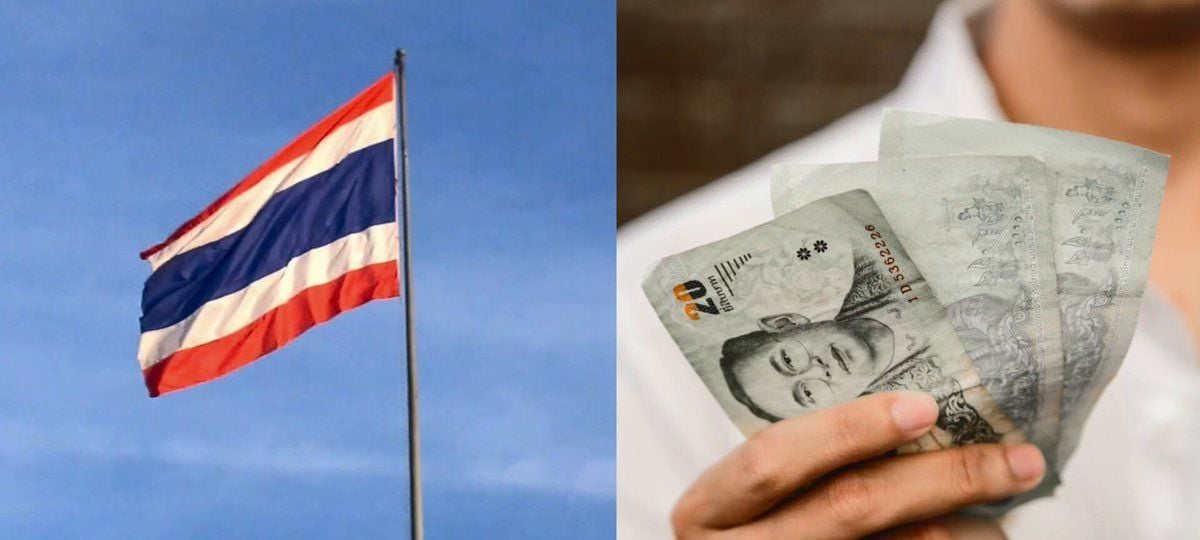
The Bank of Thailand (BoT) is moving forward with plans for a Thai baht-backed stablecoin, with Governor Vitai Ratanakorn confirming the project at the Capital with Purpose conference in Bang
A
AnonymousCryptoCompass newsroom
July 1, 2026
3 min read
NEWS
CryptoCompass editorial visual for policy coverage.
The Bank of Thailand (BoT) is moving forward with plans for a Thai baht-backed stablecoin, with Governor Vitai Ratanakorn confirming the project at the Capital with Purpose conference in Bangkok. The central bank announced plans to hold a public hearing on a baht-pegged stablecoin before the end of 2026, with Governor Vitai Ratanakorn outlining the measures at the conference on June 26.Secondary reporting indicates formal regulations are targeted for late 2026 or early 2027 following the public consultation.
A Private-Sector Token, Not a CBDC
The proposed stablecoin would not be a central bank digital currency. It would instead be issued by licensed private entities, with each token required to be fully backed 1:1 by baht reserves held in segregated accounts at licensed financial institutions.Token holders would retain the right to redeem holdings at par at any time.
In the first phase, the stablecoin would be restricted to use by financial institutions for settlement purposes only. The central bank said it would evaluate performance during that pilot before considering expansion into wider retail use.The stablecoin is being designed primarily to improve payment and settlement efficiency within Thailand's financial infrastructure, not for speculative investment. Authorities are also exploring the potential use of the stablecoin in Thailand's carbon credit market, where it could facilitate the trading and settlement of greenhouse gas emission credits.
Crackdown on Unauthorized Yuan Transfers
The stablecoin announcement came alongside a broader show of force on foreign currency controls. Personal QR code payments in Thailand must be made only in Thai baht, meaning platforms such as Alipay and WeChat Pay cannot process personal QR payments in Chinese yuan.Vitai said the central bank had suspended approximately 5,000 accounts used for peer-to-peer yuan transfers via Alipay and WeChat Pay between February 2025 and May 2026.
Regulated payment service providers are required to process transactions only in baht, and breaches could result in corrective measures, fines, suspensions, or even revocation of licences. The central bank does not have a policy to grant licences for forex operations targeting speculative trading.Vitai warned that anyone involved in illegal money transfer services could face penalties under the Exchange Control Act of 1942, carrying statutory penalties of up to three years in prison and 200,000 THB in fines.
Key Takeaways The OCC logged digital-asset activity in 23 of its last 40 charter filings. Most applicants are targeting national trust charters rather than retail banking licenses. Fiduciary
US prosecutors have expanded a long-running Iran-linked hacking case to 17 defendants, tying six of them to HBO's 2017 breach and a Bitcoin extortion demand that briefly turned one of televis
Bitcoin was never going to be the test case, but the token projects that followed it now have a clearer regulatory question to answer. The U.S. Securities and Exchange Commission is signaling