Michael Burry is one of the most closely followed short-sellers, and his warnings on overvalued sectors have often proved right. In 2001, he shorted overvalued tech stocks as the dot-com bubb
Michael Burry is one of the most closely followed short-sellers, and his warnings on overvalued sectors have often proved right.
In 2001, he shorted overvalued tech stocks as the dot-com bubble burst. Next, he spotted a housing market bubble, which he began shorting in 2005.
Related: Legendary short-seller who bet against Enron sends new warning
In 2008, the bet proved prophetic when the housing bubble burst and Wall Street crashed. The short became hugely profitable for his investment fund, Scion Asset Management.
The episode made him a legend, and actor Christian Bale played him in the 2015 film "The Big Short."
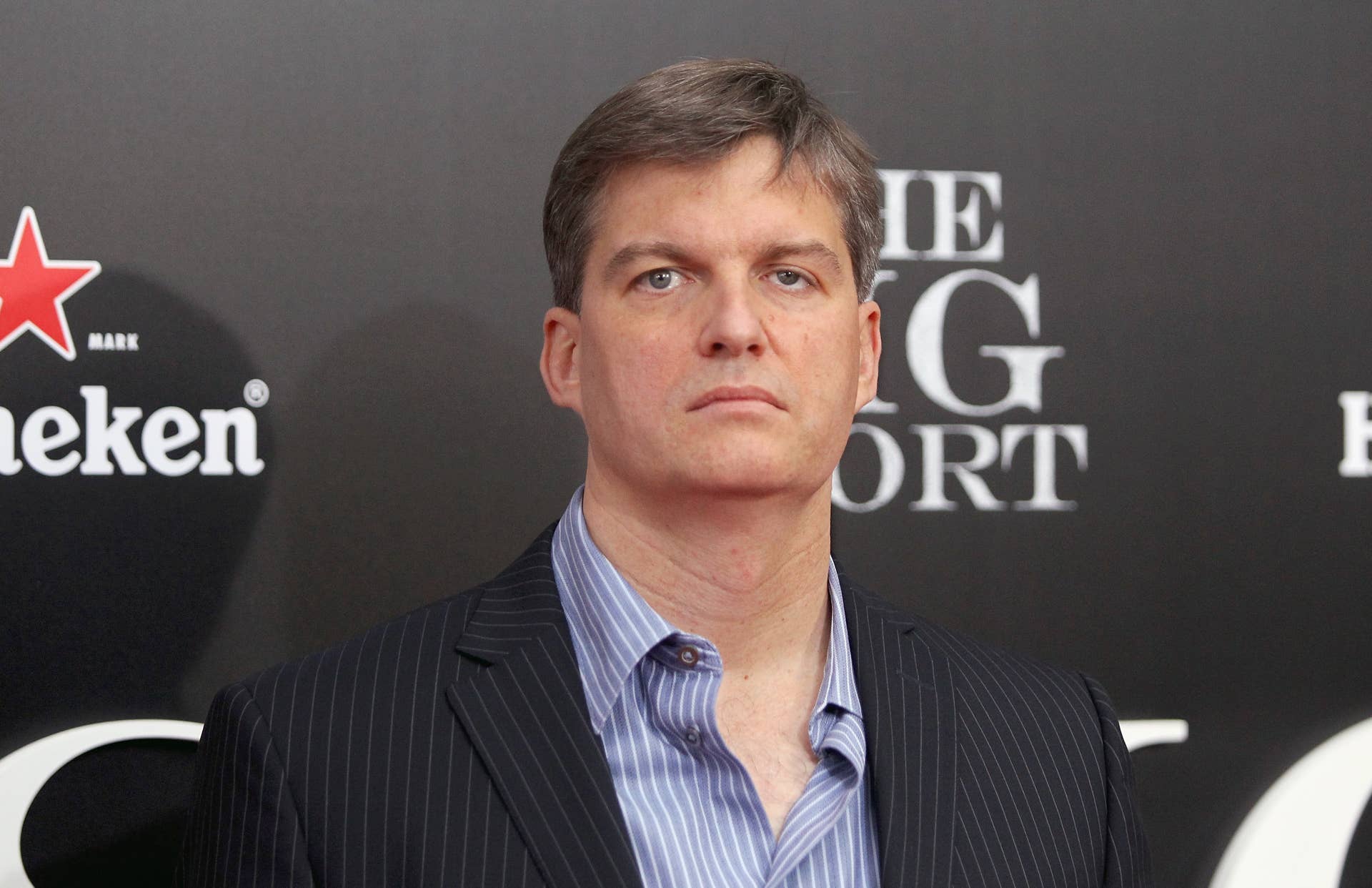
Michael Burry attends the "The Big Short" New York premiere at Ziegfeld Theater on November 23, 2015 in New York City. (Photo by Jim Spellman/WireImage)
Burry's sustained criticism of crypto
But Burry wasn't done yet. In 2021, he spotted risks in meme stocks and crypto leverage before those markets collapsed. He has frequently criticized cryptocurrencies like Bitcoin (BTC).
In 2021, he warned retail investors that Bitcoin is a “speculative bubble” that posed “more risk than opportunity.”
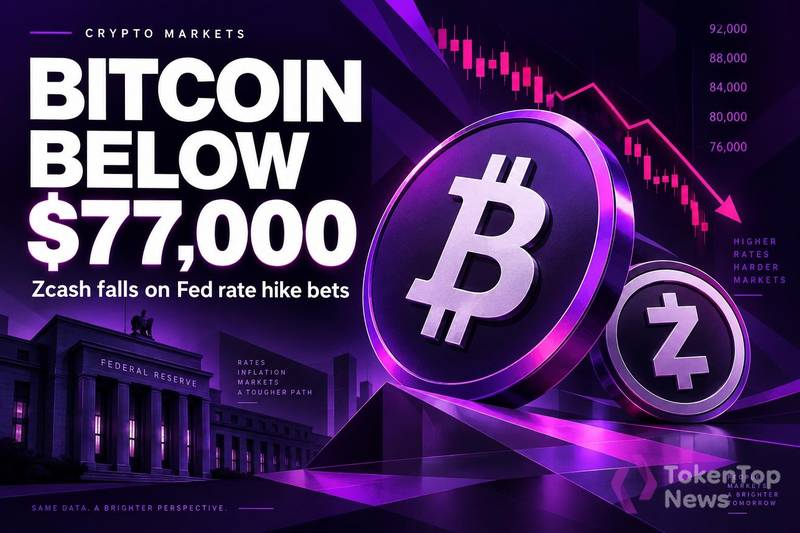
Bitcoin surged to a record above $126,000 in October last year, only to crash days later and stay down for months. In December, he called bitcoin at $100,000 "the most ridiculous thing" and the "tulip bulb of our time."
He warned in February 2026 that Bitcoin's breakdown could trigger cascading effects across crypto and adjacent markets. Bitcoin has failed to prove itself as a durable hedge against currency debasement and is behaving like a speculative asset, he said.
Trending on TheStreet Roundtable:
Burry warns of AI and quantum threat to crypto
On Sep. 11, Burry wrote a post warning of the threat posed by AI and quantum computing to crypto and other financial assets.
Cryptocurrencies are digital currencies that use cryptography to secure transactions between the parties directly involved.
The most powerful supercomputers today would take thousands of years to break that cryptography, but the crypto community fears quantum computers could crack cryptocurrencies like Bitcoin within minutes or even seconds.
In March, Google Quantum AI researchers warned that a future quantum computer could attack a Bitcoin transaction in about nine minutes.
The crypto community is also fearful of AI for the same reason. It could threaten the security of cryptocurrencies.
Burry raised the same concerns in his latest post and said AI and quantum computers may threaten not only crypto but bank accounts, investment accounts, pensions, Social Security and health insurance as well.
In such a scenario, he said, the U.S. dollar could accelerate its ongoing loss of reserve status to real assets. He warned there is too little monetary restraint and too much debt, with AI and quantum computing risks piled on top.
Bitcoin was trading at $77,233 at the time of writing, according to Decibel.
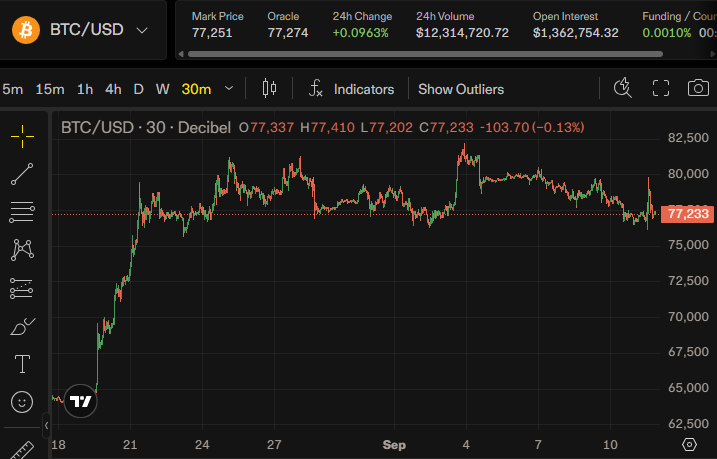
BTC/USD, Source: Decibel
'Big Short' buys fine wine to bet against AI threat and the dollar
Burry argued that one should bet on physical hard assets uncorrelated to the traditional stock and bond markets in such a scenario.
"Cater to the hard asset needs of the top 1%….well, such would be invaluable," he said. "In defining characteristics, fine wine is embarrassingly rich."
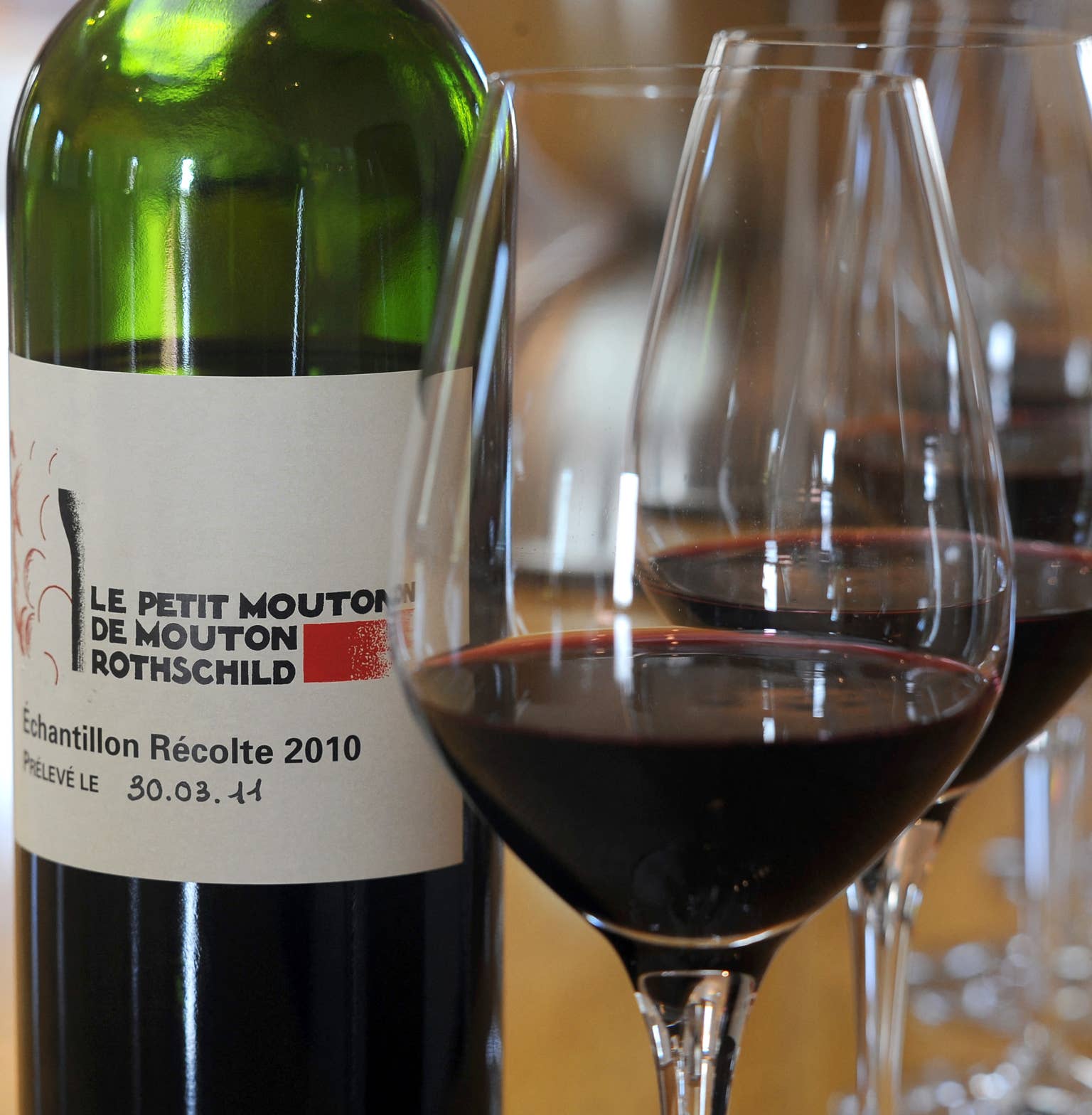
He dropped names like Pétrus, Domaine Romanée-Conti, Mouton Rothschild and Margaux, plus Tuscan labels Sassicaia, Ornellaia and Solaia, saying the finest wines inspire "resilient demand in good and bad times."
A picture taken on April 1, 2011 shows a glass of "Le Petit Mouton de Mouton Rothschild", at the tasting room of the Chateau Mouton Rothschild in Pauillac, southwestern France.
Getty Images
But he cautioned that the trade is only for those who can allocate five figures to fine wine while keeping it at 10% or less of their portfolio.
The European bonded fine wine market is diverse, liquid, analyzable, and investable, he said.
"Just about every single case of fine wine sitting in a London bonded warehouse can be a short position on the U.S. dollar, a global hedge against fiat currency, and a ward against global financial systems’ vulnerability to the various hellscapes possibly wrought by future iterations of AI and quantum computing."
Fine wine prices have crashed 25% to 30% from their October 2022 peak, he said, with some marquee Bordeaux and Burgundy trading as much as 75% below issuance prices.
He revealed that he bought around 40 wines this year after reviewing 700, targeting an 18% to 20% discount.
“Buy low, be very patient, then sell high or enjoy it.”
Related: Wall Street financier seizes on Treasury Secretary Bessent’s debt warning