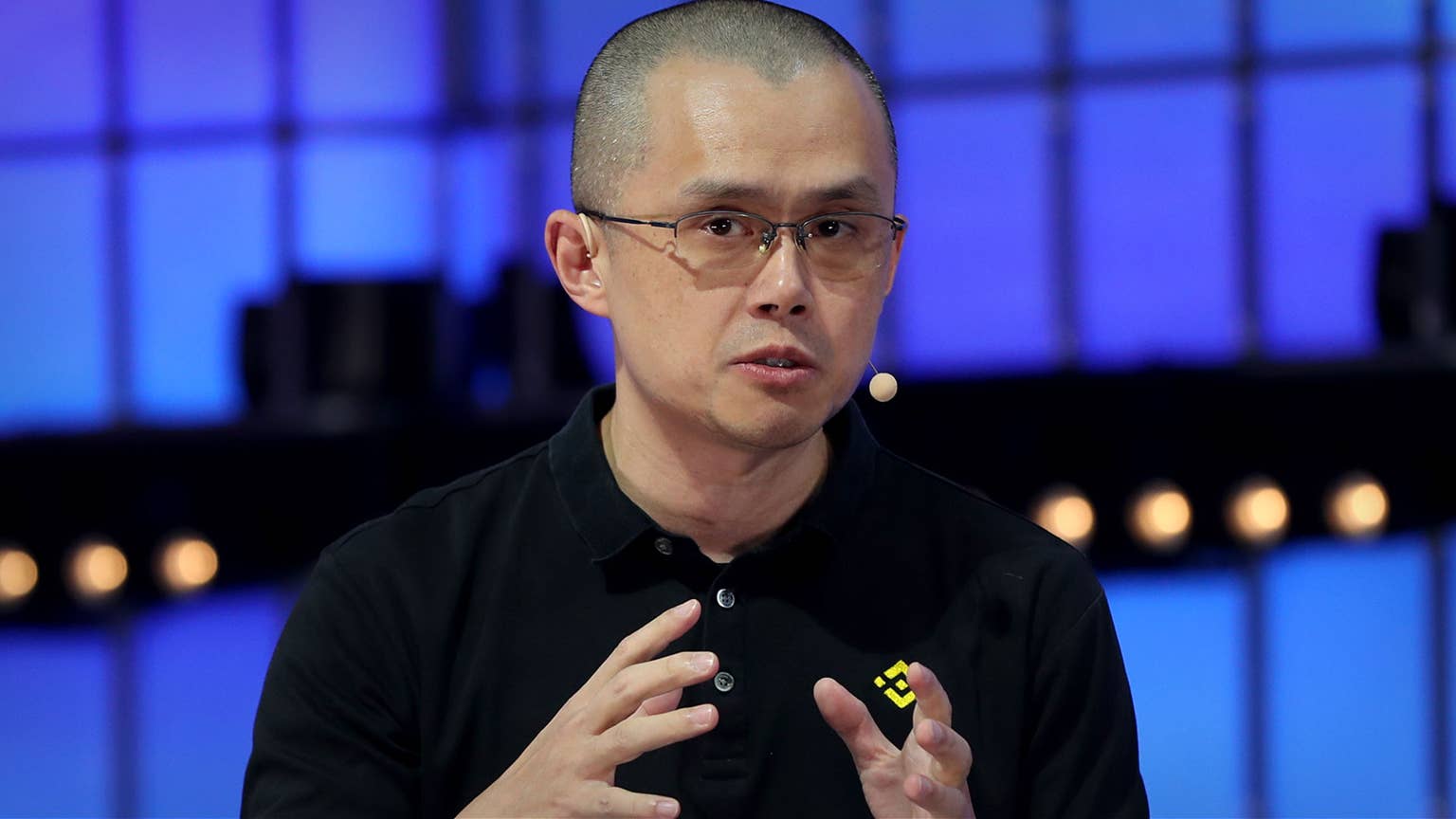
“The industry needs to use AI to prevent AI hacks. There’s no other way,” Binance founder Changpeng Zhao said after hackers drained about $6.36 billion from Binance on Oct. 29. Binance has se
“The industry needs to use AI to prevent AI hacks. There’s no other way,” Binance founder Changpeng Zhao said after hackers drained about $6.36 billion from Binance on Oct. 29. Binance has set aside $6.34 million of its funds to cover the losses.
Zhao also said he expected “a lot more hacks” in the short term, a warning he is now repeating in a different form.
This time his concern is 1Password.
After the password manager disclosed a breach of its backend systems, Zhao took to X on Nov. 26. Replying to a Coin Bureau post about the breach, he wrote: "If you use 1Password, recommend you to change ALL your passwords. It's a pain in the neck, but necessary."
1Password says customer vaults were not affected and that users do not need to update anything.
What 1Password says was taken
In a Nov. 25 statement, 1Password said it began investigating on Nov. 19 after finding signs that an attacker had accessed an employee’s corporate GitHub account.
Related: If you invested $1,000 in Trump Media on its first day, here’s what it’s worth today
The attacker used that access to reach source code and push malicious code to backend services, which then downloaded administrative data on a subset of customers.
That data included names, email addresses, account identifiers, account creation times and last sign-in times. It also included public keys and Secure Remote Password parameters, which 1Password says cannot be used to access an account. The attacker also copied tokens found in some emailed invitation and recovery links.
1Password says those tokens cannot open an account on their own. They work only together with an SSO sign-in or a verification code sent to the user's email, and the company has lengthened that code from six digits to ten characters. It says only a small number of users had pending invitations or recoveries at the time, and they have been notified directly.
The attacker also copied source code from private repositories and gained access to 1Password's CI/CD system, which holds infrastructure secrets. The company says it has rotated every credential that may have been exposed.
The company says vaults, the items in them and the keys that protect them were not touched.
“You do not need to update anything in your 1Password account,” it said.
It has disabled the compromised GitHub account, revoked the stolen token, rotated internal credentials and brought in outside cybersecurity experts to review its response.
A different call from CZ
Zhao's advice runs against that guidance. A reader-added note under his post says the recommendation to change all passwords is not supported by 1Password's statement.
Zhao did not explain his reasoning in the original post. He later said he accepted 1Password's clarification, but argued that accounts protected by weak passwords could still be brute-forced, and suggested 1Password flag such accounts.
1Password's own advice is narrower. It has urged users to remain alert to phishing attempts involving unexpected emails, text messages, or calls referencing the service, invitations, or account recovery.
It said it will never ask for a user's account password or Secret Key. It advised users to enter them only in its official app or on its website, opened directly rather than through a link. It also noted that the Secret Key is required only when signing in on a new device or browser for the first time.
Security has been a recurring theme for Zhao. On Oct. 23, he pushed back on growing fears that artificial intelligence could crack crypto networks.
He said that the internet and banking systems rely on weaker encryption, even as worry about AI hacking crypto spreads.
His warning also matches his earlier advice to users: avoid clicking links in emails and use hardware security keys such as Yubikey, which he said block most phishing attacks.
Related: Musk warned America will go 1,000% bankrupt. Now U.S. debt tops $40 trillion and counting