Binance is restricting trading services in France and other European Union markets after failing to secure a license under the Markets in Crypto-Assets (MiCA) regulation, forcing users in aff
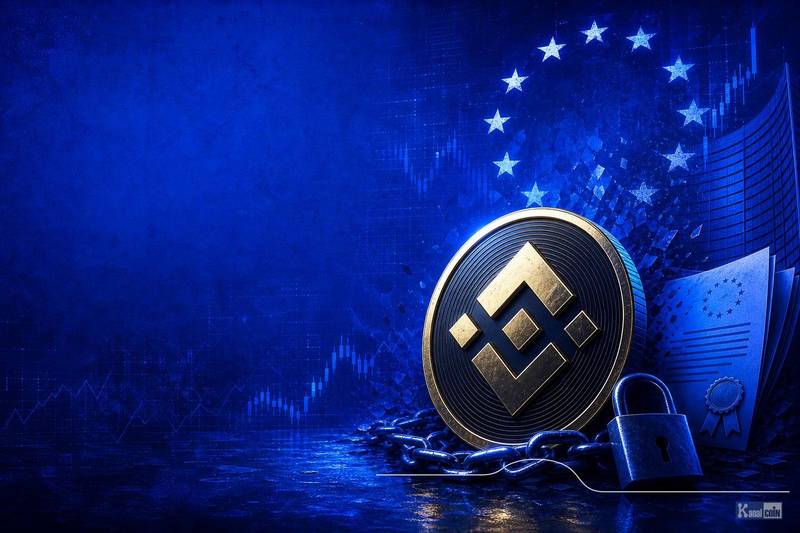
Binance is restricting trading services in France and other European Union markets after failing to secure a license under the Markets in Crypto-Assets (MiCA) regulation, forcing users in affected jurisdictions to prepare for reduced platform access.
What Changed for Binance Users in the EU
Binance informed EU-based users that it would no longer provide certain services after the exchange was unable to obtain MiCA authorization before the regulatory deadline. France is among the lead markets affected, though the restrictions extend to other EU member states as well. For related coverage, see Upbit Adds Metaplex (MPLX) and Nexus (NEX) Trading in BTC and USDT Markets.
The scope of the restrictions covers trading services rather than a full platform shutdown. Users in affected countries may still have limited account access, but specific product availability varies by jurisdiction. Binance outlined the changes on its official regulatory blog. For related coverage, see Bybit to Support Siacoin (SC) v2.14.1 Network Upgrade.
The move follows a pattern of Binance adjusting regional operations under regulatory pressure. Earlier this year, UK crypto investors filed a $200 million lawsuit against Binance and Changpeng Zhao, reflecting growing legal scrutiny of the exchange across multiple jurisdictions.
How MiCA Licensing Triggered the Restrictions
MiCA is the EU's comprehensive regulatory framework for crypto-asset service providers. It requires exchanges and other platforms operating in the EU to obtain authorization from a national regulator in at least one member state. The European Securities and Markets Authority (ESMA) oversees the framework's implementation across the bloc.
ESMA issued a public statement confirming the end of MiCA's transitional period, after which unlicensed platforms can no longer operate freely in EU markets. Exchanges that did not secure a license by the deadline face mandatory service curtailments.
The distinction matters: Binance previously operated in several EU countries under national registration regimes that predated MiCA. Those earlier registrations do not automatically convert into MiCA licenses, creating a gap between market access and full regulatory approval.
This is not exclusively a Binance issue. Any crypto platform serving EU customers without MiCA authorization faces similar constraints, though Binance's scale makes its case the most visible. Platforms like Binance Futures had been expanding product offerings even as regulatory timelines tightened.
What This Means for Users and the Broader Market
EU-based Binance users should review communications from the exchange regarding which services remain available in their country. Affected users may need to withdraw funds or migrate to MiCA-licensed alternatives depending on how restrictions are applied locally.
For the broader EU crypto market, the restrictions signal that regulators are enforcing MiCA deadlines rather than extending grace periods. Exchanges that secured licenses early, including some smaller European competitors, could absorb displaced trading volume.
Binance's European strategy now hinges on whether it can obtain MiCA authorization through a national regulator. The exchange has previously pursued registrations in multiple EU countries, and securing even one MiCA license would allow it to passport services across the bloc. Meanwhile, Binance's institutional custody partnerships suggest the company is still investing in its global infrastructure.
Users should monitor Binance's regulatory blog and ESMA's MiCA oversight page for updates on licensing decisions and any changes to the scope of restrictions.
Disclaimer: This article is for informational purposes only and does not constitute financial or investment advice. Cryptocurrency and digital asset markets carry significant risk. Always do your own research before making decisions.
Read original article on kanalcoin.com