If you’ve seen the recent BIS commentary on stablecoins and felt a little uneasy, you’re not alone. The question isn’t whether digital dollars are useful. They are. The question is what happe
If you’ve seen the recent BIS commentary on stablecoins and felt a little uneasy, you’re not alone. The question isn’t whether digital dollars are useful. They are. The question is what happens if they scale so fast they nudge the money stack out of alignment.
This piece breaks down what the Bank for International Settlements is actually worried about, how stablecoins differ from CBDCs and tokenized bank deposits, and where the real risks show up for banks, payment firms, and regular users. No hype. Just the moving parts and what to watch in 2026.
Quick Answer
Editor's note: A couple of OTC shops told me their Asia to LatAm corridors are now majority USDT or USDC. Meanwhile, MiCA onboarding is real work for firms in Europe, and the mBridge pilots are drawing more institutional curiosity than most people assume. The BIS tone is getting firmer, but builders are adapting. I’m watching how quickly tokenized deposits plug into these flows, because that’s where banks try to reclaim ground. — Elliot Veynor
Short version: stablecoins probably won’t “break” the global money stack overnight, but they could strain it at scale. The BIS is flagging bank funding erosion, fragmented settlement, and policy transmission risks if private dollar tokens act like shadow deposits outside bank rails. The safer path is tighter rules, better transparency, and interoperability with public and central-bank systems.
- BIS concerns: bank run dynamics, settlement fragmentation, and cross-border spillovers (BIS).
- Alternatives exist: CBDCs and tokenized deposits can carry official safeguards but trade off openness (BIS blueprint).
- Rules are tightening: EU MiCA stablecoin regime is phasing in, while global standards sit with the FSB (FSB).
- Operational reality: depegs and redemption gates happen, so due diligence matters.
What exactly is the BIS worried about when it says stablecoins could “break” money?
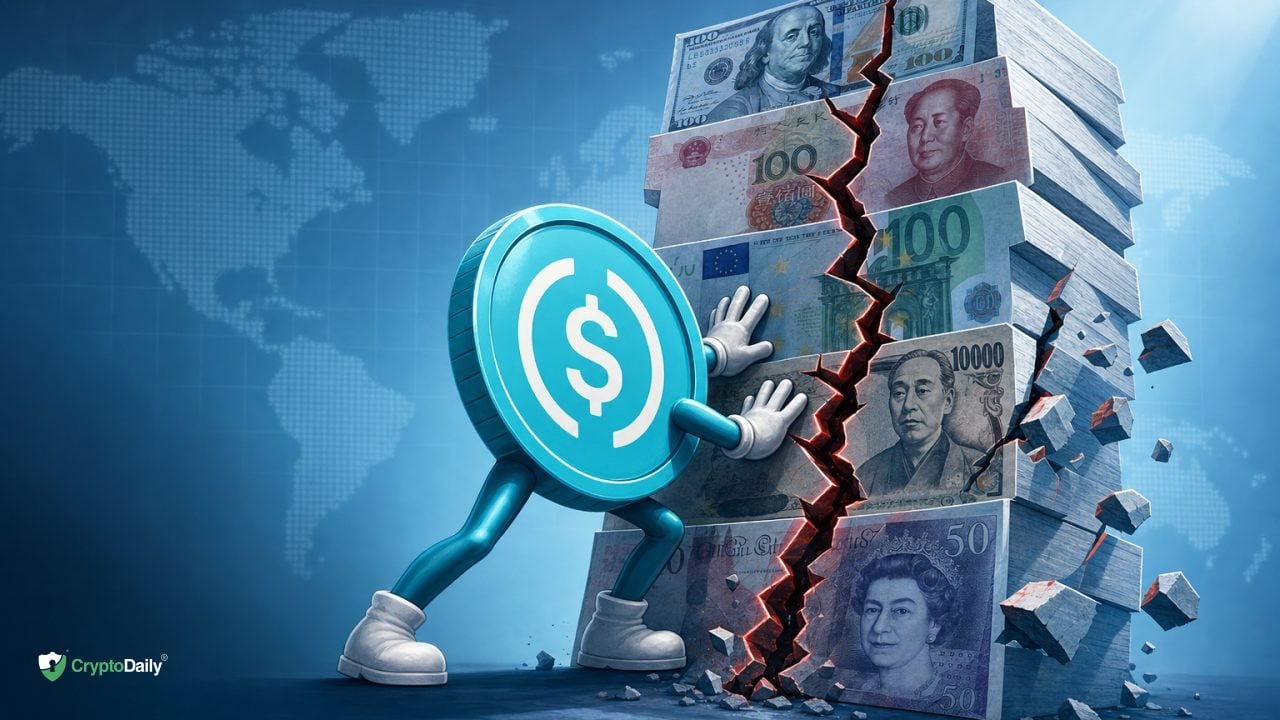
Think of the money stack as layers. At the base, central bank money. Above it, commercial bank deposits that most of us actually use. Then payment networks. Stablecoins sit to the side, promising dollars on-chain while parking reserves somewhere off-chain. The BIS sees trouble if that side channel grows big enough to pull funding away from banks and complicate how central banks steer the economy.
There are three pressure points. First, funding. If large depositors move to stablecoins during stress, banks lose a cheap, stable funding base. That can make lending more expensive or brittle. Second, settlement. Tokens hop across multiple chains and bridges. Good for speed, bad for predictability. Third, policy transmission. If lots of domestic and cross-border payments happen in private dollar tokens, central banks have less direct grip on liquidity and capital flows. The BIS has been blunt: stablecoins are not a substitute for sound, well regulated money and infrastructures (BIS Annual Report).
Zoom out and you also get sovereignty worries. A dollar-pegged token in an emerging market can be a lifeline for savers. It can also quietly dollarize the local economy, reducing the effectiveness of local policy tools. The BIS message isn’t anti-innovation. It’s a boundary check: grow, but plug into the official core.
Pro tip: the fastest growth happens in cross-border corridors starved of good banking. That’s exactly where regulators and central banks will focus next, so don’t assume today’s frictionless path stays that way.
How do stablecoins, CBDCs, and tokenized bank deposits actually differ?
They all move value digitally, but the liabilities and protections are not the same. Stablecoins are private claims on an issuer’s reserve pool. CBDCs are direct claims on a central bank. Tokenized deposits are regular bank deposits represented on a ledger. Same vibe on-chain, very different risk stacks.
The BIS has pitched a “unified ledger” idea where different money types and assets can interoperate with policy guardrails (BIS blueprint). In parallel, the mBridge project is piloting cross-border wholesale CBDC settlement with regional central banks, moving from concept to MVP in recent phases (BIS mBridge).
Instrument Who’s the liability? Access & rails Main risks Fiat-backed stablecoin Private issuer holding reserves Public chains, wallets, exchanges Issuer solvency, reserve quality, depeg, blacklisting, bridge risk CBDC (retail or wholesale) Central bank Official or permissioned networks Design trade-offs, privacy, operational rollout Tokenized bank deposit Commercial bank Bank-led or consortium networks Bank credit risk, interoperability limits, off-chain legal plumbing Legacy wires/RTGS Bank liabilities settled in central bank money SWIFT messaging plus RTGS systems Speed, cost, cut-off times, correspondent risk
None of these is magic. Stablecoins win on openness and 24/7 programmability. CBDCs win on ultimate safety if designed well. Tokenized deposits sit in the middle, bringing bank protections on-chain but often with permissioned access. The big design fight is how to connect all three without reintroducing hidden points of failure.
Could digital dollars dollarize emerging markets or disrupt bank funding?
They already nudge both, in small but visible ways. In countries with inflation or strict capital controls, stablecoins function as a dollar proxy and a remittance rail. That can be a feature for households and small businesses. It can also complicate monetary policy, because more payments and savings happen outside local banks.
On the funding side, think about how deposit flight works. In the old world you needed a bank holiday drama to move money fast. In the new world, a viral rumor plus a few taps can rotate deposits into stablecoins or money market funds in minutes. The BIS is effectively asking: what happens in a broader stress if that rotation gets massive and persistent?
There’s nuance though. Issuers park reserves mostly in cash and short-term treasuries. That means a stablecoin boom can actually feed demand for safe assets, while potentially draining deposits from smaller banks. The distribution of pain matters. Large banks and shadow banks can adapt faster than regional lenders tied to local credit.
What rules exist now, and what’s changing next?
Globally, the baseline is the Financial Stability Board’s high level recommendations for global stablecoins, endorsed by the G20. They stress 1 to 1 reserves, robust governance, clarity on redemption, and cross-border coordination (FSB).
In the EU, the MiCA regime has specific categories for asset-referenced tokens and e-money tokens, with authorization, reserve, and disclosure requirements moving into force in phases from 2024. The stablecoin parts are the earliest live components, with supervisors standing up the supervision process now (European Commission).
In the UK, authorities have mapped out a path to regulate fiat-backed stablecoins used in payments through the FCA and Bank of England perimeter, with wallet and systemic firm oversight being refined across consultation cycles (Bank of England).
In the US, federal legislation remains a work in progress. Several bills propose a national framework for payment stablecoins, reserve standards, and state-vs-federal supervision, but nothing is fully enacted at the time of writing. States continue to apply money transmitter and trust regimes to fill gaps. Expect more movement as stablecoins seep deeper into payments and tokenized markets.
What happens in a real depeg or redemption crunch?
We’ve seen the stress playbook. Algorithmic designs can death spiral. Over-collateralized crypto designs can wobble if collateral tanks. Fiat-backed coins can dip below par if there’s a question about reserves or banking partners. The USDC depeg in March 2023, triggered by exposure to a failed bank, snapped back once clarity on reserves returned. The lesson was simple: even reputable fiat-backed coins can briefly trade below a dollar when information is scarce.
On redemption, issuers set rules. Some process same-day redemptions for large verified clients and leave retail to use exchanges. Others throttle flows in stress. Most reserve attestations are monthly or less frequent, not real-time. You’re balancing issuer credit, reserve transparency, and your own path to fiat.
Before you park serious value in a stablecoin, run a basic checklist.
- Reserves: look for cash and short-duration treasuries, with clear breakdowns and audit or attestation history. Check issuer pages like Tether and Circle.
- Redemption terms: minimums, fees, who can redeem directly, settlement windows.
- Jurisdiction: regulator, licensing, and legal forum if there’s a dispute.
- Chain and bridge risk: native chains, wrapped versions, and whether you’re using third party bridges.
- Blacklisting controls: understand freeze powers and compliance triggers.
- Counterparty path: if you need fiat, which bank or payment partner is on the other side?
Is wholesale settlement on public chains realistic for institutions?
Parts of it, yes. But don’t expect systemically important flows to jump to public L1s overnight. Banks and market infrastructures care about finality, privacy, and predictable recourse. That’s why you see parallel tracks: permissioned networks for tokenized deposits and securities, and public networks for programmability and reach.
The BIS innovation agenda points to hybrid setups, where central bank money and commercial bank money can interoperate with tokenized assets under legal certainty. The mBridge program is one example at the wholesale CBDC layer, targeting cross-border payments among participating central banks (BIS mBridge). Industry groups are also testing regulated liability concepts that map today’s deposit law directly onto shared ledgers.
The trade-off is simple. Public chains offer open access and composability. Permissioned rails offer managed risk and clearer compliance. The near-term reality is bridges between the two, with guardrails that let institutions tap liquidity without inheriting every on-chain hazard.
Where does this leave everyday users in 2026?
Stablecoins are probably here to stay in some form. They’re embedded in crypto markets, creeping into fintech wallets, and quietly flowing through remittance corridors. For most users the decision isn’t philosophical. It’s practical: which coin, on which chain, through which custodian, for what job?
If you’re paying a supplier abroad twice a month, on-chain dollars can cut friction. If you’re parking six figures for weeks, you’ll care more about redemption mechanics, not just gas fees. And if your country is tightening rules on foreign currency tokens, you’ll want to know how fast that perimeter could shift.
Regulators are moving. The BIS is setting the tone, the FSB is sketching the box, and regional regimes like MiCA are drawing the enforcement lines. The smart move is to assume the bar for transparency and operational resilience will go up from here.
Common Mistakes
- Assuming 1 to 1 always means par on exchanges. Market price can drift under stress. Avoid forced selling and keep a redemption path.
- Ignoring issuer jurisdiction. If something goes wrong, the law where the issuer sits matters. Read the terms.
- Treating wrapped or bridged versions as the same as native. Wrappers add smart contract and bridge counterparty risk.
- Chasing yield in opaque pools. If the source of yield isn’t crystal clear, you’re likely selling insurance you don’t understand.
- Overlooking blacklist and freeze powers. If a compliance event hits, assets can be frozen at the token level on many chains.
- Relying on monthly attestations as if they were audits. Attestations are snapshots. They don’t guarantee the state between reports.
If you want more reporting like this, we cover policy shifts and on-chain plumbing daily at Crypto Daily.
Frequently Asked Questions
Could stablecoins meaningfully weaken monetary policy in a large economy?
In the short run, unlikely. Large, diversified banking systems and deep markets can absorb flows. The concern is at the margins and in stress windows, where rapid shifts into stablecoins can amplify liquidity squeezes and complicate policy transmission. In smaller or more open economies, the effect could be more pronounced.
Are CBDCs guaranteed to be safer than stablecoins?
As a claim on the central bank, yes, CBDCs should carry lower credit risk than private tokens. But safety also depends on design, cyber resilience, and privacy protections. A poorly implemented CBDC can still fail operationally even if the liability is rock solid.
Do stablecoin issuers earn the interest on reserves?
Generally yes, unless their terms pass some yield to users. Most fiat-backed models keep interest income to cover costs and profit. That’s a policy debate in itself, since those reserves often sit in short-term government securities.
What happens if a bank holding reserves fails?
It depends on diversification and legal structure. Well structured issuers hold reserves across multiple banks and in treasuries. If one partner fails, redemptions can slow but not necessarily stop. The key is whether reserves are held off balance sheet in segregated accounts and how quickly they can be liquidated.
Are multi-chain stablecoins safer?
Not by default. Native issuance on multiple chains reduces reliance on third party bridges, which is good. But every chain adds its own consensus, MEV, and outage profile. Simplicity can be a safety feature.
Could MiCA rules make EU stablecoins boring but safer?
That’s the idea. Issuers that meet e-money style obligations, hold high quality liquid assets, and publish frequent disclosures will trade some flexibility for predictability. The bet is that predictable tokens attract mainstream payments.
Where can I see current stablecoin market shares?
Market data sites track supply, volumes, and issuer splits. For a live snapshot, check aggregators like CoinGecko or CoinMarketCap. Always cross reference with issuer transparency pages.
Disclaimer: This article is provided for informational purposes only. It is not offered or intended to be used as legal, tax, investment, financial, or other advice.