Key Points Bitcoin tops $65,000 as inflation cools and geopolitical shocks show reduced market impact. South Korea equity slump coincides with surge in crypto trading and altcoin activity. Bi
Key Points
- Bitcoin tops $65,000 as inflation cools and geopolitical shocks show reduced market impact.
- South Korea equity slump coincides with surge in crypto trading and altcoin activity.
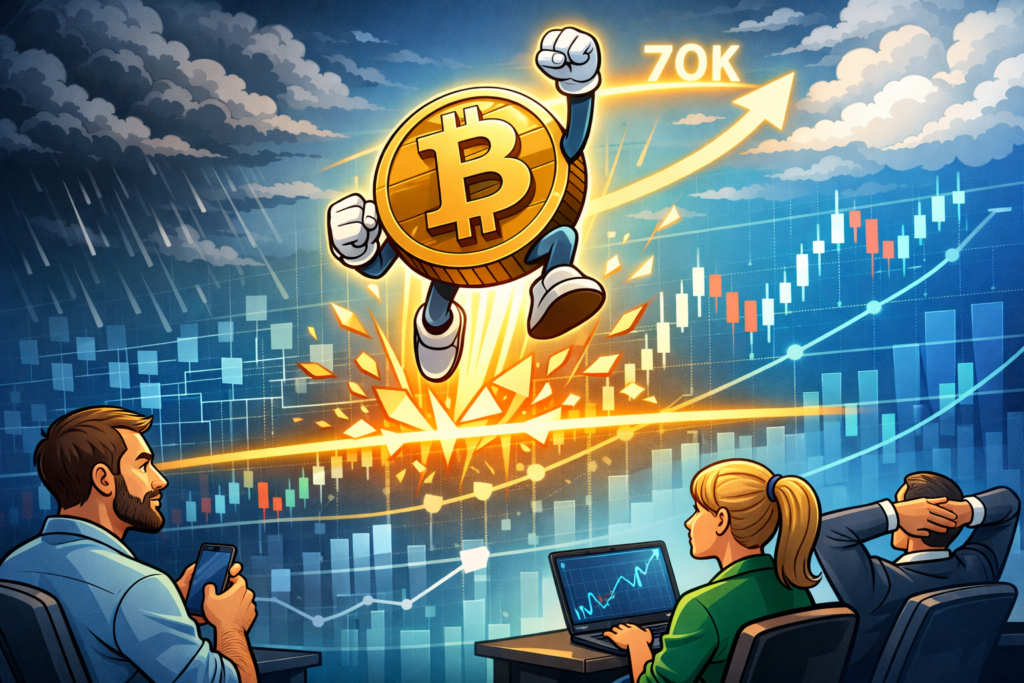
Bitcoin (BTC) climbed above $65,000 on July 15, 2026, after softer-than-expected US inflation data eased pressure on the Federal Reserve. The move came despite renewed US–Iran airstrikes, signaling a tempered reaction to geopolitical headlines.
BTC had already rebounded past $63,000 days after the initial strike orders. The limited downside following subsequent developments suggests a reduced risk-off response from investors.
Market structure indicates that geopolitical risk premiums tied to Iran-related news have diminished. Instead of triggering heavy spot selling, shocks have increasingly been absorbed in derivatives markets.
Analysts note that holding $65,000 as support on a daily close could open the path toward a $70,000 retest. Chart patterns on lower time frames show a developing bullish structure.
Geopolitical Volatility Shifts to Derivatives
The reaction contrasts with June 2025, when similar strikes pushed BTC below $99,000 and led to more than $1 billion in liquidations within 24 hours, largely from long positions. That episode reflected broad deleveraging across spot and futures markets.
In July 2026, liquidation levels tied to Iran headlines were comparatively modest. This suggests position trimming rather than widespread capitulation.
Options data shows elevated implied volatility and put skew, indicating hedging activity. At the same time, the highest 24-hour options volume clustered around the $80,000 call strike, pointing to continued upside positioning.
Weekend trading patterns reinforce this trend, as BTC remains the initial outlet for macro-driven flows, though price swings have become shorter and less severe with each new round of tensions.
South Korea Equity Rout and Crypto Rotation
South Korea’s KOSPI index has entered a technical bear market, falling more than 20% from its June peak. Heavyweights such as Samsung and SK Hynix account for a substantial share of the index’s weighting, amplifying broad declines.
SK Hynix previously surged over 200% earlier in the year before retreating sharply in July. Its $26.5 billion American depositary receipt listing on Nasdaq intensified scrutiny over AI-driven valuations.
As equities sold off, trading activity on Upbit, South Korea’s largest crypto exchange, jumped more than 1,300% in 24 hours to $4.2 billion. During that period, XRP registered higher trading volume on Upbit than Bitcoin, aligning with broader signs of altcoin activity as Bitcoin dominance edged lower.
South Korea’s Financial Supervisory Service reported that 1.2 million leveraged equity accounts faced margin calls during the downturn. Part of the crypto volume increase may reflect capital rotation influenced by forced selling, rather than purely discretionary inflows.
The central question is whether demand for BTC and altcoins represents sustained allocation shifts or a shorter-term exhaustion bid. Analysts suggest current pricing reflects reduced sensitivity to familiar geopolitical headlines, while warning that a novel macro shock could quickly reshape positioning if volatility reprices sharply.