Bitcoin price faces another potential macroeconomic challenge after the Bank of Japan reportedly raised its benchmark interest rate by 25 basis points to 1.25%, a move that could have consequ
Bitcoin price faces another potential macroeconomic challenge after the Bank of Japan reportedly raised its benchmark interest rate by 25 basis points to 1.25%, a move that could have consequences well beyond Japan.
According to market commentary shared by Hupzy, the decision passed by a 7–2 vote and took Japan’s policy rate to its highest level since 1995. The central bank also indicated that further increases could follow if its inflation outlook develops as expected.
The concern for Bitcoin is not simply that borrowing costs in Japan have increased. Higher Japanese rates could strengthen the yen and encourage investors to unwind leveraged trades that have helped finance positions in global risk assets, including cryptocurrencies.
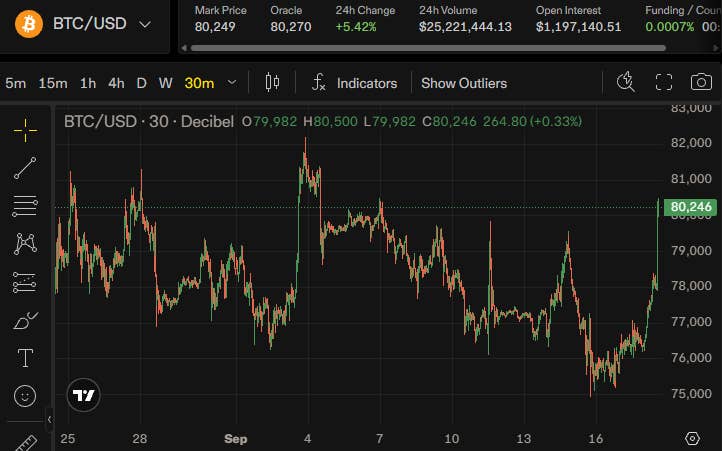
That creates another source of uncertainty for BTC as traders monitor whether its recent support levels can withstand additional selling pressure.
Publication note: The precise BOJ rate, vote tally and historical comparisons above are based on the supplied commentary and should be checked against the central bank’s official announcement before publication.
Bank of Japan Raises Rates, Opening the Door to Further Tightening
The reported 25-basis-point increase brings Japan’s policy rate to 1.25%, with seven policymakers voting in favor and two opposing the decision.
The move follows the BOJ’s efforts to normalize monetary policy after decades of exceptionally low interest rates. The central bank reportedly cited inflation approaching its 2% target and left the possibility of further increases open if economic conditions evolve in line with its projections.
For global markets, the implications extend beyond the immediate increase in Japanese borrowing costs.
Japan has long been an important source of relatively inexpensive financing. When interest rates rise, that financing becomes less attractive, particularly if the yen also appreciates.
The result could be greater volatility in assets that have benefited from leveraged investment strategies.
However, the rate hike does not automatically mean that investors will abandon risk assets. Much depends on whether the decision was already priced into markets, how the yen responds and what the BOJ communicates about future policy.
Why Japan’s Rate Hike Could Hurt Bitcoin Price
Hupzy’s bearish argument centers on the yen carry trade.
In a typical carry trade, investors borrow in a currency with relatively low interest rates, such as the Japanese yen, and invest the proceeds in assets offering potentially higher returns.
These positions become more difficult to maintain when Japanese borrowing costs increase or the yen strengthens.
A stronger yen raises the cost of repaying yen-denominated borrowing for investors whose assets and income are held in other currencies. Some traders may respond by reducing leveraged positions and buying yen to repay their loans.
If that process becomes widespread, selling can extend across equities, cryptocurrencies and other risk-sensitive markets.
Bitcoin could come under pressure if investors liquidate BTC directly or reduce exposure to crypto as part of a broader effort to cut leverage.
Hupzy also argues that rising global interest rates create a less favorable environment for non-yielding assets such as Bitcoin.
That relationship is not automatic. Bitcoin’s price also depends on factors including investor demand, liquidity, regulatory developments and market positioning. Nevertheless, tighter financial conditions can reduce the willingness of investors to take speculative risks.
The key question is whether the BOJ decision produces a meaningful yen appreciation and a broader reduction in leveraged exposure.
A Yen Carry-Trade Unwind Could Amplify Crypto Market Selling
The most concerning scenario would involve a rapid increase in the yen’s value alongside falling global risk assets.
If investors are forced to close leveraged positions at the same time, selling pressure can spread between markets. Liquidations in one asset class may prompt traders to reduce positions elsewhere to meet margin requirements or limit losses.
Cryptocurrency markets are particularly sensitive to this kind of activity because leveraged positions can be liquidated quickly when prices move against traders.
A substantial carry-trade unwind could therefore intensify an existing Bitcoin decline, potentially dragging major altcoins lower as well.
However, a weaker Bitcoin price alone would not prove that yen-funded carry trades were responsible. Traders would need to examine the currency market, broader asset performance, funding conditions and evidence of deleveraging together.
A gradual adjustment to higher Japanese rates would present a different situation from a sudden, disorderly unwind.
Overall, Japan’s reported rate hike introduces a potential source of pressure at a time when Bitcoin is already facing an uncertain market environment.
The bearish case is straightforward: higher Japanese interest rates contribute to yen appreciation, leveraged investors unwind carry trades, and the resulting reduction in risk exposure puts pressure on Bitcoin and other cryptocurrencies.
But several steps in that chain would need to materialize. A BOJ rate increase by itself is not evidence that a crypto market crash is imminent.
For more crypto news and price predictions, click here.
Subscribe to our YouTube channel for daily crypto updates, market insights, and expert analysis.
The post Bitcoin Price Threat: Japan’s Rate Hike Could Trigger Another Crypto Market Crash appeared first on CaptainAltcoin.