Attempts to halt the transfer of 27 million stolen XRP tokens failed, prompting Bitget to freeze withdrawals on its platform. A hacker who gained unauthorized access to Bitget has successfull
Attempts to halt the transfer of 27 million stolen XRP tokens failed, prompting Bitget to freeze withdrawals on its platform.
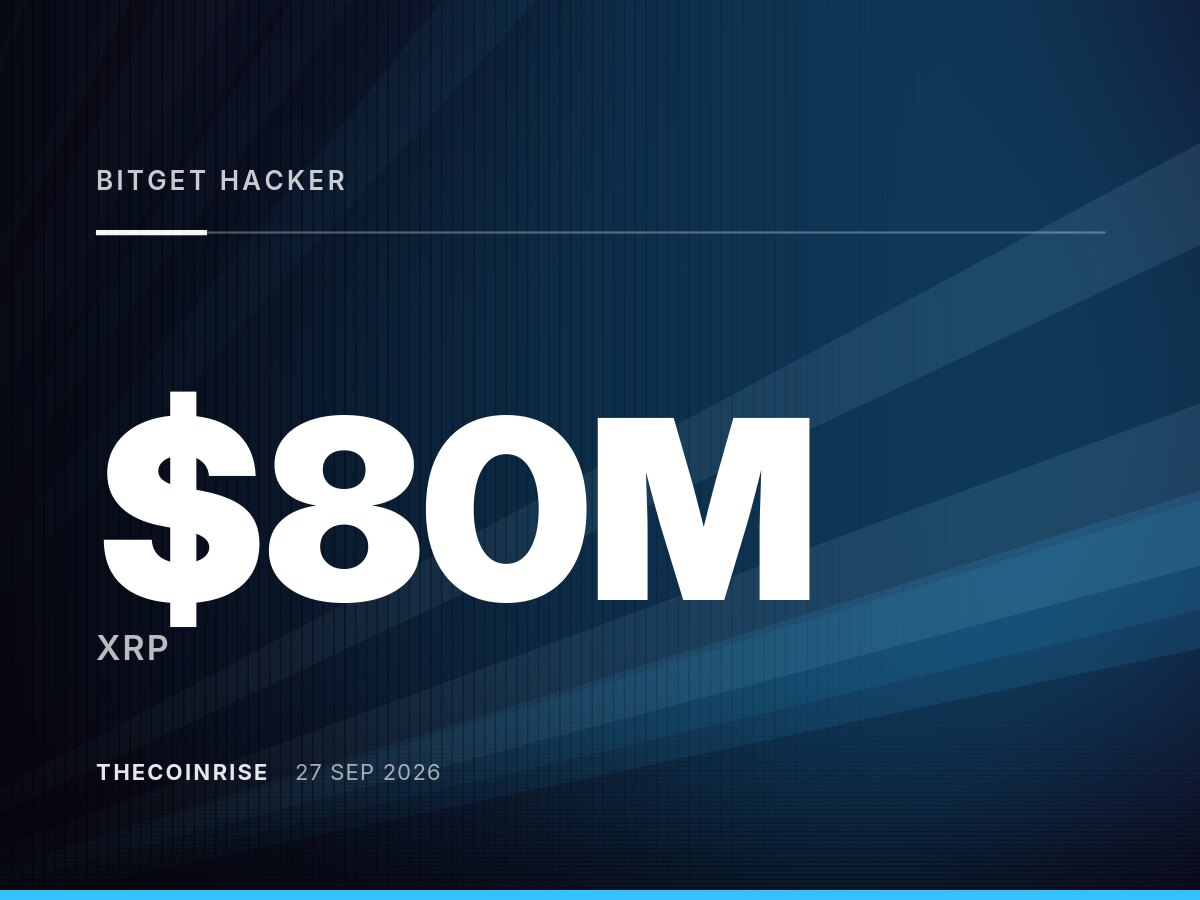
A hacker who gained unauthorized access to Bitget has successfully moved millions of dollars worth of stolen XRP, despite the exchange's efforts to stop the transfer. Reports indicate the attacker relocated roughly 27 million XRP tokens, a sum valued at more than $80 million at current prices.
Bitget attempted to freeze the stolen funds once the breach was detected, a common response among exchanges when large unauthorized outflows are identified. In this case, the freeze attempt did not prevent the hacker from moving the tokens further, raising questions about how the attacker was able to bypass or outpace the exchange's containment measures.
In response to the incident, Bitget has suspended XRP withdrawals across its platform. Suspending withdrawals is a standard defensive step exchanges take after a security breach, intended to limit further losses while investigators trace the movement of stolen assets and coordinate with blockchain analytics firms.
The episode highlights a persistent challenge in crypto security: freezing stolen funds after a hack is often a race against time. Unlike traditional banking systems, blockchain transactions are irreversible once confirmed, meaning exchanges and token issuers must act within a narrow window to have any chance of halting a hacker's movements. Once tokens are spread across multiple wallets or moved through mixers and cross-chain bridges, tracing and freezing them becomes considerably harder.
XRP's architecture includes mechanisms that can, in some circumstances, allow certain addresses to be frozen or restricted by network validators or issuers of specific tokens on the XRP Ledger. However, native XRP transfers themselves are not as easily frozen as tokens issued through smart contract standards on other chains. This structural difference may help explain why the exchange's freezing attempt fell short in this case.
Exchanges typically rely on a combination of on-chain monitoring, communication with other platforms, and cooperation with token issuers to intercept stolen funds before they can be converted or cashed out. When those efforts fail, stolen assets can end up moving through decentralized exchanges or over-the-counter channels, making recovery far less likely.
Bitget has not detailed the exact method used by the attacker to breach its systems, nor has it specified whether the stolen XRP originated from customer wallets, hot wallets, or another internal system. The exchange's decision to pause XRP withdrawals suggests an ongoing investigation into the scope of the breach and the security gaps that allowed it to happen.
Market Impact
The incident adds to a long list of exchange security breaches that have periodically shaken confidence in centralized crypto platforms. Large-scale thefts, particularly those involving tens of millions of dollars, tend to draw scrutiny toward an exchange's custody practices and incident response speed.
For XRP holders and traders on Bitget, the withdrawal freeze may temporarily limit liquidity and access to funds on the platform, even for users unaffected by the breach. Broader market reaction will likely depend on how quickly Bitget can resolve the situation, communicate transparently with users, and demonstrate that customer funds beyond the stolen amount remain secure.
The case underscores how difficult it remains for exchanges to reverse the damage once stolen crypto assets begin moving across the blockchain. Bitget's response, including the XRP withdrawal freeze, signals an active effort to contain the fallout while the investigation continues.
Frequently Asked Questions
How much XRP was stolen in the Bitget hack?
Reports indicate the hacker moved roughly 27 million XRP tokens, valued at more than $80 million at current market prices.
Why did Bitget's attempt to freeze the stolen funds fail?
Specific technical details have not been confirmed, but reports suggest the freeze attempt did not stop the hacker from relocating the tokens before containment measures took effect.
What has Bitget done in response to the theft?
Bitget has suspended XRP withdrawals on its platform as it investigates the breach and the movement of the stolen tokens.
Are other users' funds on Bitget affected?
Bitget has not specified the full scope of the breach or whether funds beyond the stolen XRP were compromised. The withdrawal freeze applies broadly to XRP transactions while the investigation proceeds.
Originally reported by AltcoinGordon, written by Daniel Foster. Republished with permission.
View the original on AltcoinGordon →
The post Bitget Hacker Moves $80 Million in Stolen XRP Despite Exchange’s Freeze Attempt appeared first on TheCoinrise.com.