Block Bits Capital Founder Convicted of Defrauding More…
How Did Block Bits Capital Mislead Investors? A federal jury convicted Japheth Dillman, 48, of wire fraud and conspiracy to commit wire fraud after prosecutors said he used false claims about
A
AnonymousCryptoCompass newsroom
August 25, 2026
4 min read
NEWS
Hero article visual / chart / editorial image
CryptoCompass editorial visual for policy coverage.
How Did Block Bits Capital Mislead Investors?
A federal jury convicted Japheth Dillman, 48, of wire fraud and conspiracy to commit wire fraud after prosecutors said he used false claims about an automated cryptocurrency trading fund to obtain nearly $1 million from more than 20 investors. The San Francisco resident helped establish Block Bits Capital, which raised money between June 2017 and August 2018 by promoting an automated crypto trading system called the “Autotrader.” Investors were told that the software had been developed by the firm and could generate profits through automated cryptocurrency trading. Evidence presented during the 10-day trial showed that Dillman knew the algorithm was not working and that investor money could not be deployed in the way promised. Instead, Dillman and a co-conspirator used investor funds to pay themselves and make risky and speculative investments in other cryptocurrency ventures. Those investments generated substantial losses, while investors were given misleading information about their risk and the performance of Block Bits. Prosecutors said Dillman falsely told investors that the fund had generated large profits through cryptocurrency trading even as its activities were producing further losses.
Why Did The Autotrader Claims Matter?
The case centered heavily on representations about Block Bits’ supposed automated trading technology. Algorithmic trading systems can appeal to investors because they promise disciplined execution, rapid responses to market movements and strategies that do not depend on manual trading decisions. Those claims can also be difficult for outside investors to verify when a private fund does not provide independent performance data, audited records or direct visibility into its trading infrastructure. Block Bits presented its Autotrader as complete and operational, but prosecutors established that Dillman knew the system did not work. That distinction was central to the fraud case because investors were contributing capital based partly on representations about technology that was supposed to determine how their money would be traded. The case also involved representations about where investor assets were being held. Earlier regulatory allegations against Block Bits said investors had been told funds would be kept securely through arrangements described as “cold storage,” while money was instead directed toward higher-risk crypto investments.
Investor Takeaway
The Block Bits case shows the risk of investing in private crypto funds based primarily on proprietary trading claims. Investors evaluating automated strategies need independently verifiable performance, clear custody arrangements and evidence that the trading system being marketed is actually operating as described.
What Penalties Does Dillman Face?
Dillman remains released on bond and is scheduled to be sentenced on Dec. 8 before U.S. District Judge Richard Seeborg. Each count of conviction carries a maximum statutory penalty of 20 years in prison and a $250,000 fine. The maximum penalties do not determine the sentence Dillman will receive. The court will consider federal sentencing guidelines and other statutory factors before imposing punishment. The case was investigated by the Federal Bureau of Investigation and Internal Revenue Service Criminal Investigation, with assistance from the Securities and Exchange Commission’s San Francisco Regional Office. The SEC had separately brought civil charges in 2022 against Block Bits Capital, related entities, Dillman and co-founder David Mata over the fund. The regulator alleged that almost $1 million was raised from more than 20 investors through misleading claims about an automated digital asset trading system and how investor money would be used.
What Does The Case Show About Crypto Fund Fraud?
The conviction addresses conduct dating back to the 2017 cryptocurrency boom, when rapidly rising digital asset prices drew money into trading funds, token offerings and automated strategies that often operated with limited transparency. The allegations against Block Bits were not based simply on investments losing money. Prosecutors focused on false statements about whether the trading technology worked, how investor funds were being deployed and whether the fund was profitable. That distinction matters for investors assessing crypto investment managers. A trading strategy can legitimately produce losses without constituting fraud, but knowingly misrepresenting how a fund operates or reporting profits that did not occur can create criminal liability. Dillman’s conviction also shows that enforcement actions involving older crypto activity can continue for years after the underlying transactions. The fund raised money through 2018, federal charges were brought in 2022 and the criminal case reached a jury verdict in August 2026. His Dec. 8 sentencing will determine the next stage of the case, with the court deciding the penalty for the wire fraud and conspiracy convictions.
The gold-silver ratio, a widely followed indicator among precious metals investors, measures how many ounces of silver are needed to match the value of one ounce of gold. This ratio is calcul
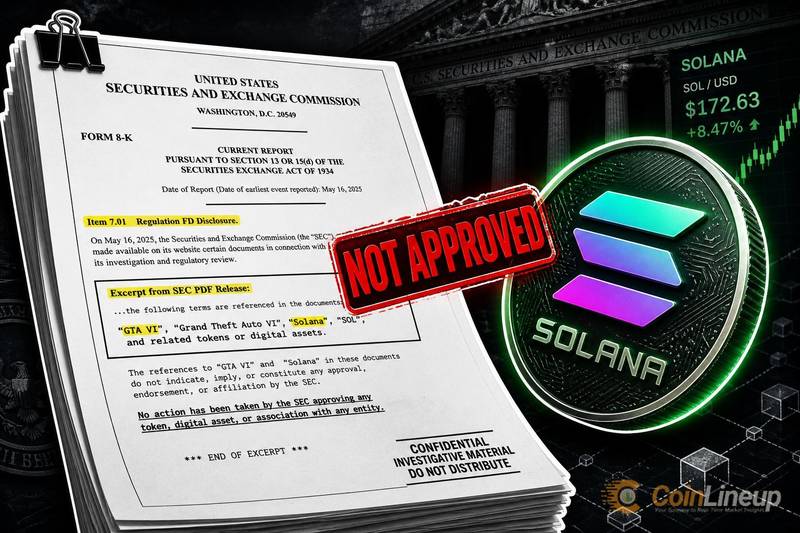
Some PDF documents hosted on a U.S. Securities and Exchange Commission website mention a Solana token presented as tied to Grand Theft Auto VI, but the documents do not show any approval, end
Bitwise has launched self-custodied tokenized stock portfolios built on Coinbase's tokenized equities, giving investors a way to hold on-chain stock exposure in their own wallets rather than