Bolt Send, the delivery service run by ride-hailing platform Bolt, says it has completed more than six million deliveries in Nigeria so far this year. The figure covers January to the time of
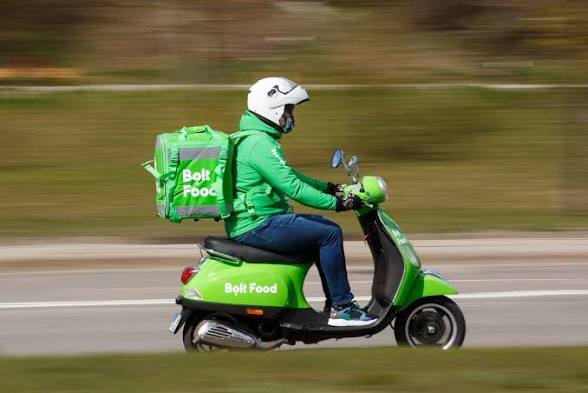
Bolt Send, the delivery service run by ride-hailing platform Bolt, says it has completed more than six million deliveries in Nigeria so far this year. The figure covers January to the time of the company’s announcement.
Bolt Send, which operates in Lagos, Port Harcourt, Abuja and Owerri, says it grew 37% year on year in 2025, measured through the 42nd week of the year.
Caroline Wanjihia, Regional Director for Rides Operations at Bolt Africa, said the number reflects trust in the service.
“Six million deliveries is not just a number, it represents six million moments where someone needed something to move and trusted Bolt Send to make that happen,” she said.

Bolt says Lagos in particular makes delivery valuable. Traffic congestion, long distances and the pressure of running a business or household mean many people prefer not to make the trip themselves.
Also read: Bolt to work with drivers on fare pricing, to offer vehicle maintenance support
From rides to Bolt Send’s parcel delivery in three years
Bolt launched Bolt Send in Nigeria in 2023, and users request a courier through the Bolt app to pick up and deliver packages. The service sits inside the same app used for rides.
Owerri was the latest addition, with the launch announced in September. Bolt says the service suits documents, clothing, small gifts and parcels from small businesses.
There are limits. Bolt says customers should not send items valued above ₦50,000 on Bolt Send, because packages are insured up to that amount. The company has also warned users against sending prohibited goods.
Also read: Bolt Send expands to Owerri, now available in 4 Nigerian cities
A milestone amid pressure from drivers
This development comes at a time when Bolt is under pressure from the drivers behind its core ride-hailing business. Lagos drivers under the Amalgamated Union of App-based Transporters of Nigeria (AUATON) began an indefinite strike against Bolt and inDrive in October, demanding commissions of no more than 10%.
The union called off the four-day strike and urged members to uninstall inDrive over what it called the company’s failure to engage. Bolt had called for dialogue and proposed a roundtable with driver representatives before the strike began.
It was not the first action this year. Lagos drivers staged a three-day strike in March over what they described as unsustainable earnings. In a May petition to the Lagos State Government, AUATON estimated that many drivers are left with less than ₦3,000 daily after deductions and expenses. Those figures are the union’s claims.
The wider market has also shifted. Uber ended its operations in Nigeria in September, and Bolt said it remains firmly committed to the market. In August, Bolt was cleared to resume operations at airports managed by the Federal Airports Authority of Nigeria (FAAN) after Aviation Minister Festus Keyamo intervened.
The release does not give Bolt Send’s 2025 total, so the six million figure cannot yet be set against last year’s volume. The figures are also Bolt’s own and have not been independently verified.