BitcoinWorld Brent crude faces rising energy risks amid Strait of Hormuz tensions: Rabobank Rising geopolitical tensions around the Strait of Hormuz are increasing energy supply risks for Bre
BitcoinWorld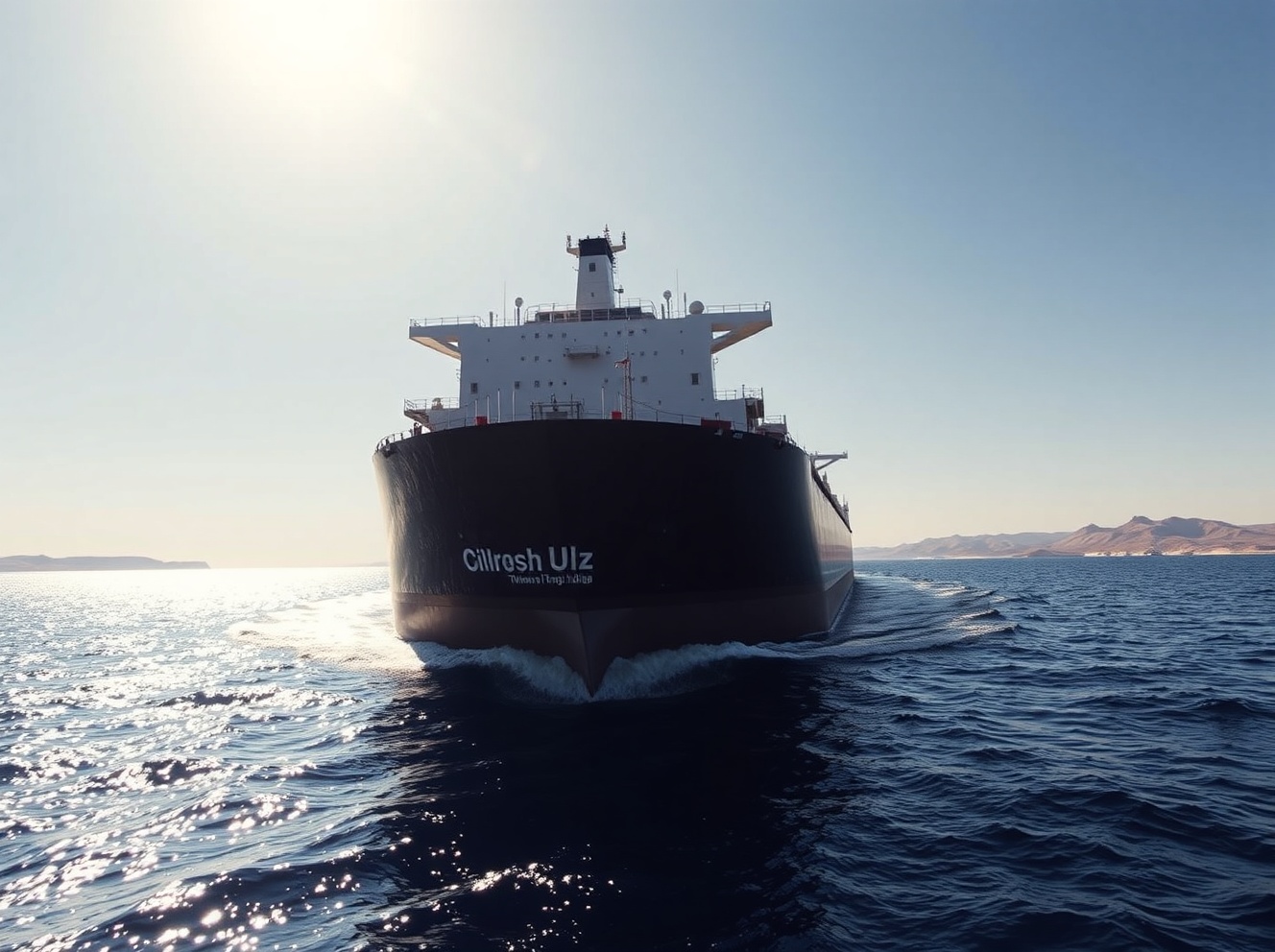 Brent crude faces rising energy risks amid Strait of Hormuz tensions: Rabobank
Rising geopolitical tensions around the Strait of Hormuz are increasing energy supply risks for Brent crude oil markets, according to a new analysis from Rabobank. The warning comes as global oil markets remain sensitive to any disruption in the strategic waterway, through which approximately 20% of the world’s petroleum passes daily.
Rabobank’s assessment of the threat
Rabobank’s analysts have identified the Strait of Hormuz as a key flashpoint that could significantly impact Brent crude prices. The bank’s assessment highlights that any sustained disruption to tanker traffic through the strait would directly affect global supply chains and energy security. The analysis does not provide specific price targets but emphasizes the elevated risk profile for energy markets.
Why the Strait of Hormuz matters for global oil
The Strait of Hormuz, located between Oman and Iran, is the world’s most important oil chokepoint. According to the U.S. Energy Information Administration, an estimated 17 million barrels of oil per day passed through the strait in 2023. This volume represents roughly one-fifth of total global petroleum consumption. Any closure or significant disruption would force tankers to take much longer alternative routes, driving up transportation costs and tightening supply.
Market implications and historical context
Historical episodes of tension in the region have frequently led to price spikes in Brent crude. During the 2019 attacks on Saudi Aramco facilities, Brent prices surged nearly 15% in a single day. The current analysis from Rabobank suggests that the market may be underestimating the probability of a significant disruption. Traders and energy companies are now closely monitoring diplomatic developments and naval deployments in the region.
Conclusion
Rabobank’s warning underscores the persistent vulnerability of global oil markets to geopolitical events in the Middle East. While no immediate disruption has occurred, the elevated risk profile suggests that Brent crude prices could remain volatile as long as tensions persist around the Strait of Hormuz. Energy market participants should factor this geopolitical premium into their risk assessments.
FAQs
Q1: What is the Strait of Hormuz and why is it important for oil markets?The Strait of Hormuz is a narrow waterway between Oman and Iran that connects the Persian Gulf with the Gulf of Oman. It is the world’s most important oil chokepoint, with about 20% of global petroleum consumption passing through it daily.
Q2: How could tensions in the Strait of Hormuz affect Brent crude prices?Any disruption to tanker traffic through the strait would reduce global oil supply, leading to higher prices for Brent crude. The extent of the price increase would depend on the duration and severity of the disruption.
Q3: What has Rabobank specifically said about energy risks?Rabobank has warned that rising tensions around the Strait of Hormuz are increasing energy supply risks for Brent crude. The bank’s analysis emphasizes the elevated risk profile but does not provide specific price forecasts.
This post Brent crude faces rising energy risks amid Strait of Hormuz tensions: Rabobank first appeared on BitcoinWorld.