BitcoinWorld Canada Inflation Cools Slightly in June, CPI Rises 2.8% YoY Below Forecast Canada’s annual inflation rate edged lower in June, with the Consumer Price Index (CPI) rising 2.8% yea
BitcoinWorld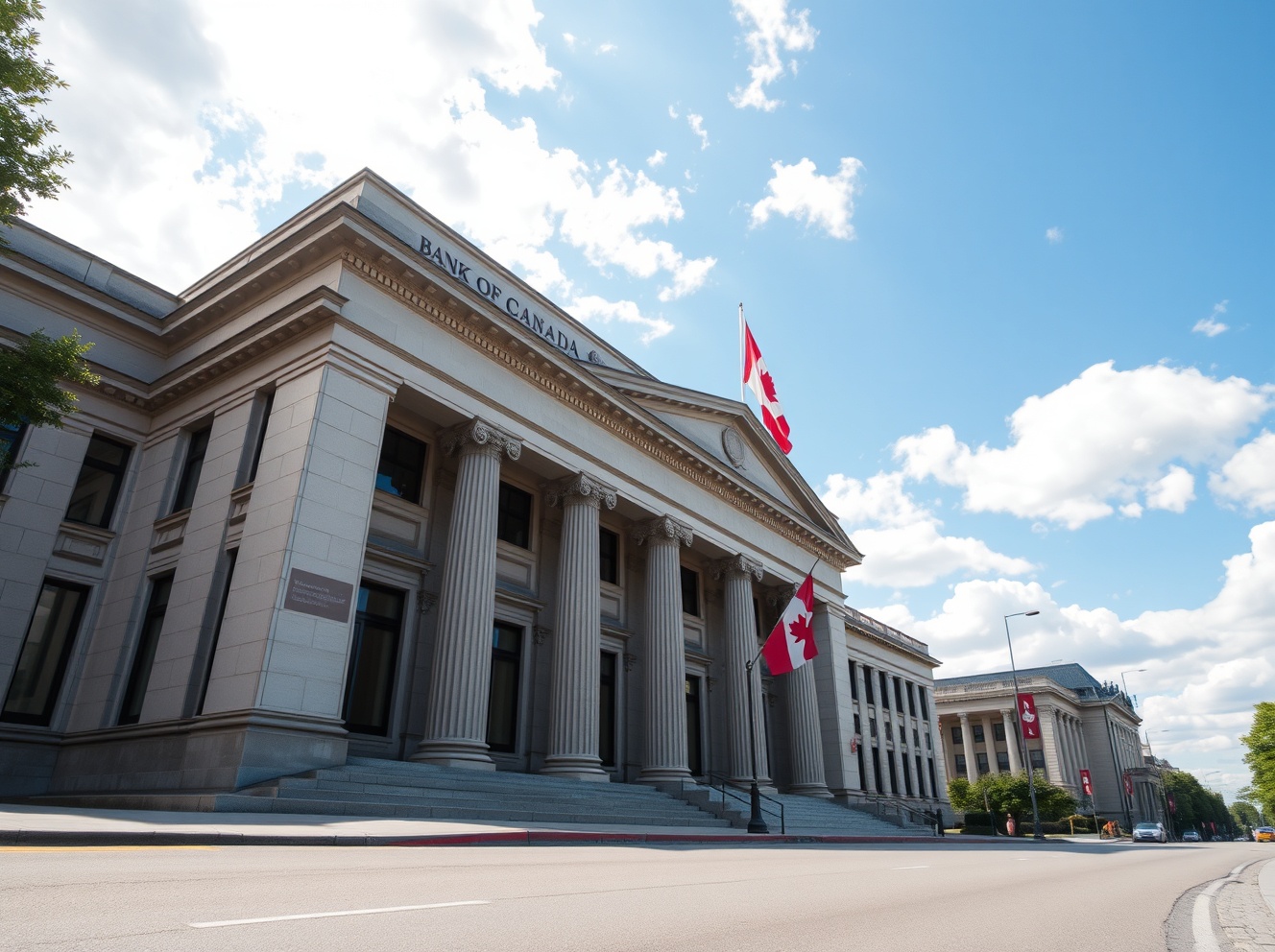 Canada Inflation Cools Slightly in June, CPI Rises 2.8% YoY Below Forecast
Canada’s annual inflation rate edged lower in June, with the Consumer Price Index (CPI) rising 2.8% year-over-year, according to data released today. The reading came in slightly below the 2.9% consensus forecast from economists, marking a modest cooling from May’s 2.9% pace.
Inflation Trends and Core Drivers
The June CPI report, published by Statistics Canada, showed that price pressures moderated across several key categories. Gasoline prices, a major contributor to headline inflation in previous months, saw a smaller year-over-year increase compared to May. Meanwhile, food prices remained elevated but showed signs of stabilizing, with grocery price gains easing slightly from earlier in the year.
Excluding volatile items like food and energy, the core inflation measures — closely watched by the Bank of Canada — also showed a modest deceleration. The average of the Bank’s three core measures is estimated to have dipped below 3.0% for the first time in several months, suggesting underlying price pressures are gradually easing.
Implications for the Bank of Canada
The softer-than-expected inflation data strengthens the case for the Bank of Canada to hold its key interest rate steady at 4.75% at its next policy decision in July. Markets had already priced in a high probability of a pause, and the June CPI report reduces the urgency for further tightening.
However, policymakers remain cautious. The Bank has emphasized that it needs to see a sustained decline in inflation toward its 2% target before considering rate cuts. Services inflation, particularly in rent and mortgage interest costs, remains sticky and continues to put upward pressure on the overall index.
What This Means for Consumers and Businesses
For Canadian households, the slight cooling in inflation provides some relief after two years of elevated price increases. Real wages are now growing modestly, as nominal wage gains outpace the inflation rate. Businesses, particularly in retail and manufacturing, may see some easing in input cost pressures, though supply chain uncertainties persist.
The housing market remains a key variable. While lower inflation could reduce pressure on mortgage rates, the Bank of Canada’s sustained high rates continue to weigh on home sales and prices. Rent inflation, driven by strong demand and limited supply, remains a significant contributor to the overall CPI.
Conclusion
Canada’s June CPI report confirms that inflation is on a gradual downward path, but the journey back to the 2% target is not yet complete. The data supports a steady policy rate from the Bank of Canada in the near term, but future decisions will depend on incoming economic data, including employment and GDP figures. For now, the modest miss on expectations offers a cautiously positive signal for the Canadian economy.
FAQs
Q1: What is the current inflation rate in Canada?As of June, Canada’s annual inflation rate stood at 2.8%, slightly below the 2.9% economists had expected.
Q2: How does this inflation data affect Bank of Canada interest rates?The softer inflation reading supports the Bank of Canada’s decision to hold its key interest rate at 4.75%, reducing the likelihood of an immediate rate hike.
Q3: What are the main factors driving Canada’s inflation?Key drivers include shelter costs (particularly rent and mortgage interest), food prices, and services inflation. Gasoline price increases have moderated, providing some relief to the headline figure.
This post Canada Inflation Cools Slightly in June, CPI Rises 2.8% YoY Below Forecast first appeared on BitcoinWorld.