BitcoinWorld Canadian Dollar Firms as Oil Prices Hold Gains The Canadian dollar strengthened against its U.S. counterpart on Tuesday, supported by firm crude oil prices, as investors weighed
BitcoinWorld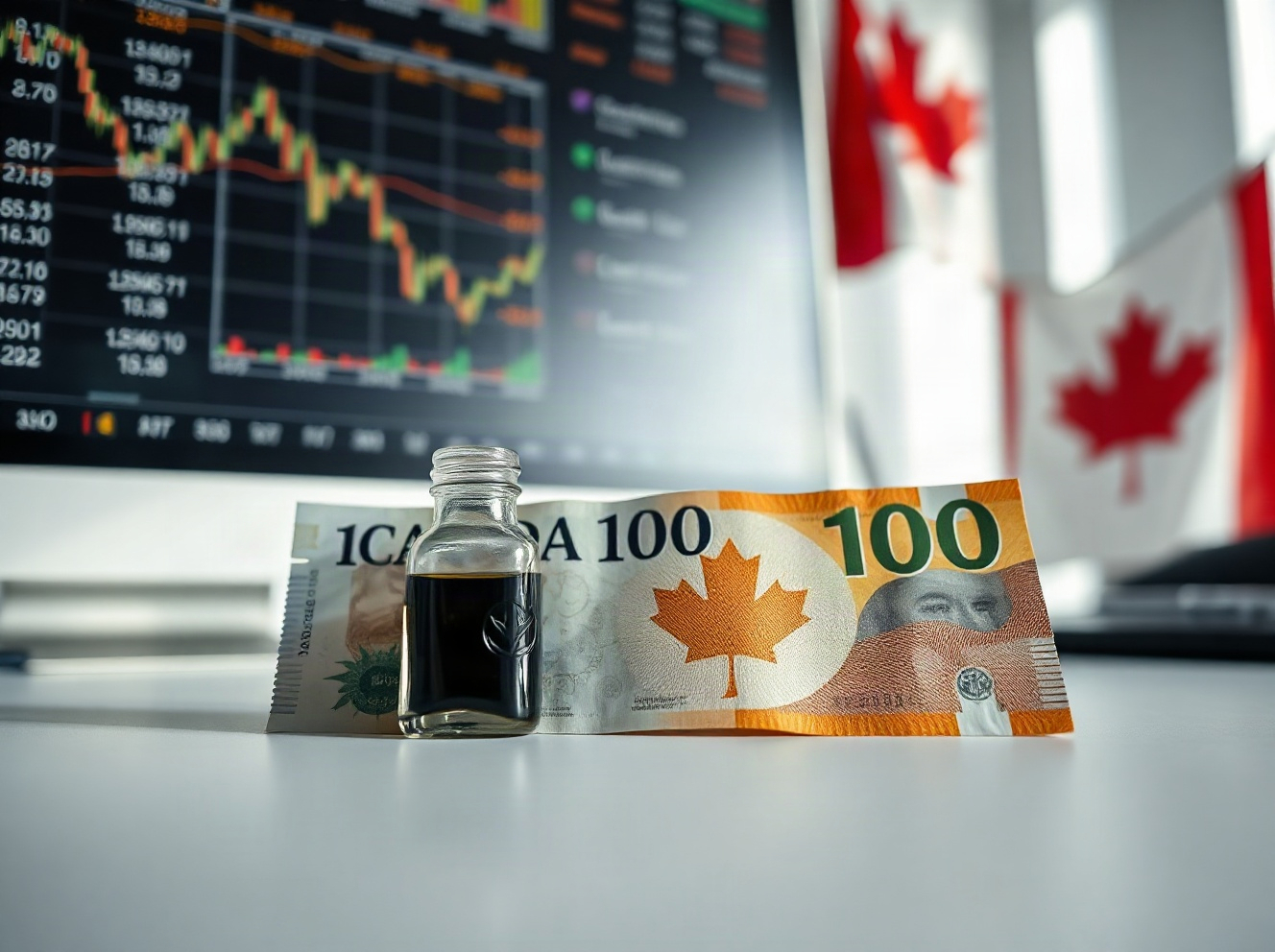 Canadian Dollar Firms as Oil Prices Hold Gains
The Canadian dollar strengthened against its U.S. counterpart on Tuesday, supported by firm crude oil prices, as investors weighed the impact of global supply dynamics and central bank policy expectations.
Oil Prices Bolster Commodity-Linked Currency
Crude oil, one of Canada’s key exports, remained elevated amid ongoing supply constraints and geopolitical tensions, providing a tailwind for the loonie. West Texas Intermediate (WTI) crude traded above $80 per barrel as of the latest session, reflecting persistent market tightness.
Canada is the world’s fourth-largest oil producer, and its currency often moves in tandem with oil prices. When crude strengthens, the Canadian dollar typically gains as higher export revenues improve the country’s trade balance and attract foreign investment.
Market Context and Central Bank Divergence
The currency’s resilience comes as traders assess the divergent policy paths of the Federal Reserve and the Bank of Canada. While the Fed has signaled a patient approach to rate cuts, the BoC has already begun easing, having reduced its benchmark rate in June. This divergence usually pressures the loonie, but firm oil prices have offset some of that drag.
According to analysts, the near-term direction for USD/CAD will hinge on oil price stability and upcoming economic data, including Canadian inflation figures due later this week. A stronger-than-expected CPI print could reinforce market bets on further BoC easing, potentially weighing on the currency.
Why This Matters for Traders and Consumers
For currency traders, the loonie’s performance offers clues about risk sentiment and commodity market health. A sustained oil rally could support the Canadian dollar, making imports cheaper for Canadians but potentially hurting export competitiveness outside the energy sector.
For consumers, a firmer loonie helps lower the cost of imported goods and travel abroad. Conversely, a weaker currency would increase prices for foreign products and services.
Conclusion
In summary, the Canadian dollar’s recent strength is closely tied to oil price dynamics, which are providing a buffer against monetary policy divergence. As markets await fresh economic data, the currency’s trajectory will likely remain sensitive to crude oil movements and central bank signals.
FAQs
Q1: Why does the Canadian dollar move with oil prices?Canada is a major oil exporter, so higher crude prices increase export revenues, improving the country’s trade balance and attracting foreign capital, which supports the currency.
Q2: What is the current USD/CAD exchange rate?As of the latest session, the Canadian dollar was trading around 1.37 per U.S. dollar, but rates fluctuate throughout the day. Check a reliable financial source for real-time quotes.
Q3: How does the Bank of Canada’s policy affect the loonie?When the BoC cuts interest rates, it can weaken the currency by reducing returns on Canadian assets. However, external factors like oil prices can offset this effect.
This post Canadian Dollar Firms as Oil Prices Hold Gains first appeared on BitcoinWorld.