
Altcoins6 min read
ARK Development Report - June 12, 2026
Welcome to our latest Weekly Development Report, where we highlight ongoing progress across our ecosystem. The big story this week is Proof of Possession support landing across the stack: Mai
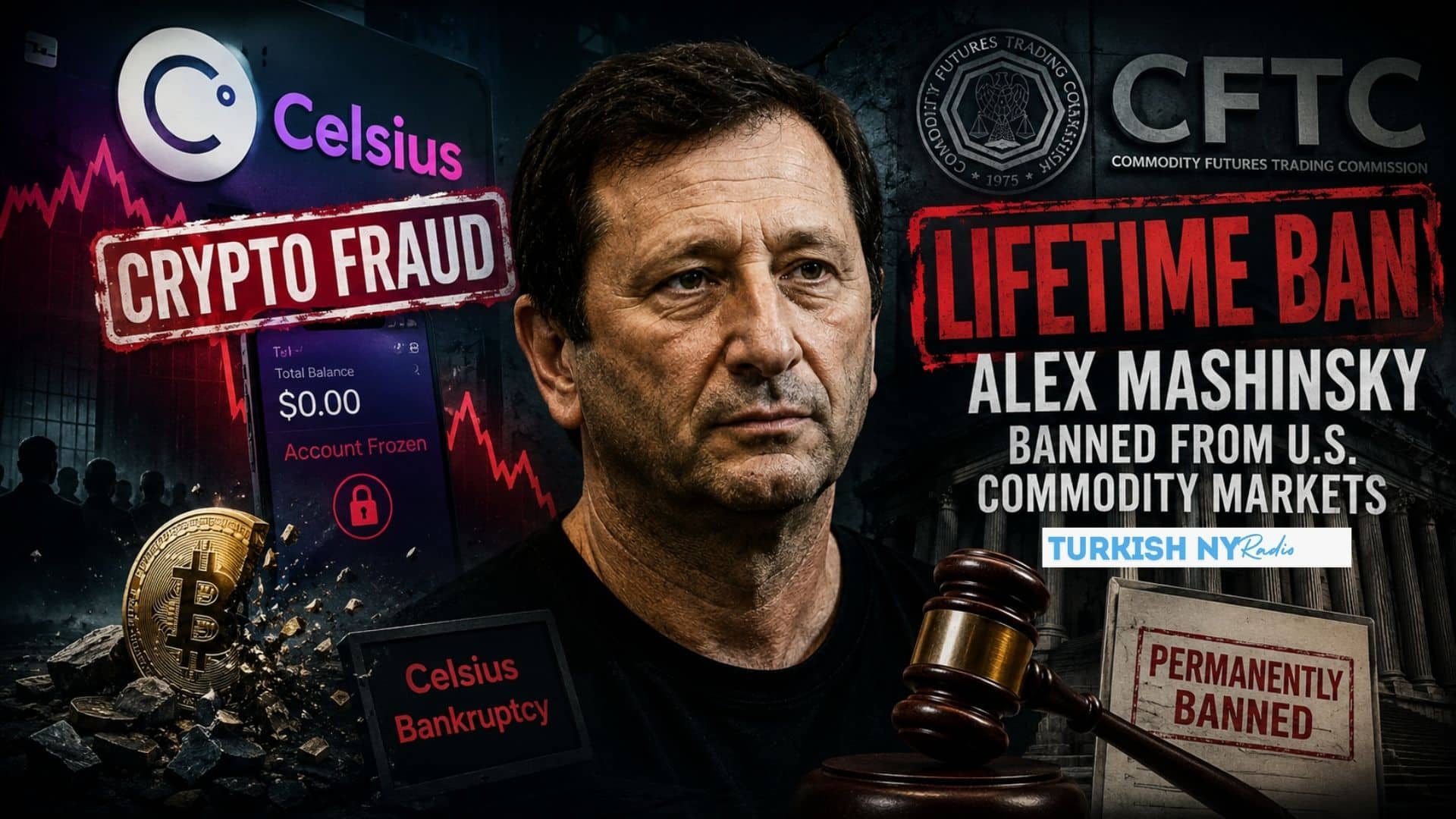
The ongoing Celsius crypto fraud lawsuit gained another significant milestone when a US federal judge permanently banned Celsius creator Alex Mashinsky from trading in US commodities markets.

The ongoing Celsius crypto fraud lawsuit gained another significant milestone when a US federal judge permanently banned Celsius creator Alex Mashinsky from trading in US commodities markets. The verdict comes after Mashinsky settled with the Commodity Futures Trading Commission (CFTC), which charged him of deceiving investors and consumers about the security of Celsius Network’s goods.
The new verdict is one of the most severe regulatory proceedings taken against a cryptocurrency leader in response to the events of the industry’s 2022 crash. Authorities claim that the Celsius crypto fraud incident highlights the dangers of deceptive business conduct in the digital currency industry.
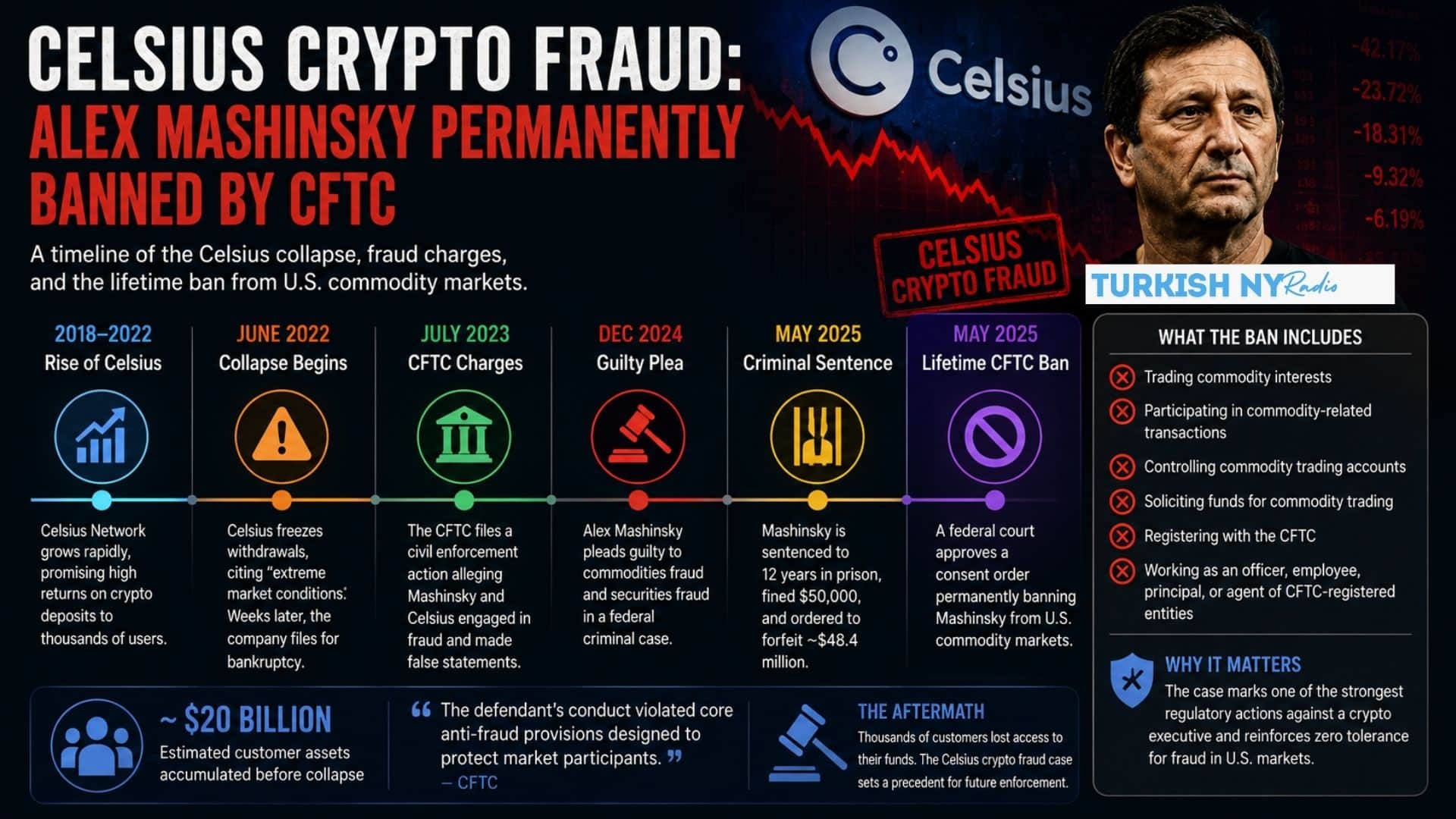
As to judicial filings, Mashinsky agreed to a consent decree that imposes a lifetime ban on trading or taking part in commodity-associated activities authorized by the CFTC. The injunction also prohibits him from collecting funds, maintaining commodities accounts, or engaging with businesses recognized with the agency.
The CFTC sued Mashinsky and Celsius in 2023, saying they made deceptive representations to recruit consumers while hiding major risks.The defendant’s actions breached fundamental anti-fraud regulations intended to safeguard market participants,” officials alleged in court documents.
For many observers, the ruling represents a significant development in the broader Celsius crypto fraud investigation that has unfolded since the company’s collapse.
Celsius Network was previously one of the most prominent cryptocurrency loan companies, with billions of dollars in customer holdings. The organization guaranteed high returns on bitcoin deposits and positioned itself as a more secure alternative to regular financial services.
However, authorities asserted that Celsius misused customer funds in increasingly risky investment methods while publicly displaying a far stronger financial situation than reality.
Celsius crypto fraud costs increased after the company stopped accepting consumer withdrawals in June 2022. A few weeks later, Celsius declared bankruptcy, prohibiting thousands of customers from retrieving their assets.
Investigators claim that false claims regarding liquidity, profitability, and operational resilience helped attract shareholders and consumers.
The civil enforcement measure is just one aspect of Mashinsky’s legal issues. He pled guilty to trades and securities scams in a similar criminal prosecution in December 2024.
According to federal officials, the Celsius cryptocurrency scam operation resulted in significant financial losses for customers who depended on the company’s public declarations.
In May 2025, a federal judge convicted Mashinsky. to 12 years in prison. The judiciary also imposed pecuniary punishments, namely the confiscation of about $48.4 million and an additional fine.
Legal professionals think the judgment sends a strong message to CEOs in the market for digital assets.
“The consequences demonstrate that regulators and prosecutors are willing to pursue accountability when fraud allegations are supported by evidence,” one legal analyst noted.
The verdict of the Celsius crypto fraud case might have an impact on future enforcement proceedings in the digital currency industry. Despite many high-profile scandals, policymakers have shifted their attention to protecting investors, openness, and disclosure of risk.
The Celsius crypto fraud trials are frequently mentioned among other big cryptocurrency crashes that necessitated tougher control from US law enforcement.
Industry stakeholders believe the case will motivate businesses to strengthen compliance requirements and disclose more detailed information about their activities.
At the same time, officials are still arguing how to effectively regulate cryptocurrency lending companies and other digital currency businesses.
The everlasting ban on Alex Mashinsky is a key development in the continuing repercussions from the Celsius crypto fraud case. Having both civil and criminal investigations nearly completed, authorities have won one of the harshest punishments levied on a crypto business creator. As regulators continue to pursue responsibility in the industry, the Celsius crypto fraud case is likely to remain a key illustration of how deceptive tactics may result in serious financial and legal repercussions.
The Celsius crypto fraud case resulted in a lifetime CFTC ban for Celsius programmer Alex Mashinsky, preventing him from dealing in US commodities trading. The verdict comes after charges that Celsius deceived consumers regarding the protection of its business activities while putting assets to severe danger. The case, in addition to Mashinsky’s felony conviction and jail term, shows the cryptocurrency industry’s increased regulatory scrutiny and the significance of openness, adherence to regulations, and shareholder safety.
He was forbidden for deceiving consumers and breaking anti-fraud laws.
It concerns charges that Celsius overstated its financial standing and hazards to customers.
Celsius froze withdrawals in June 2022 and eventually declared bankruptcy.
Yes, he pleading guilty to fraud charges and received a 12-year term.
It emphasizes more regulatory monitoring and responsibility in the cryptocurrency business.