CFTC Alleges $550M Forex Ponzi Scheme Across 11 Firms Breaking: the CFTC alleges a forex Ponzi scheme that took in more than $550 million from at least 2,100 participants. It filed a civil co
CFTC Alleges $550M Forex Ponzi Scheme Across 11 Firms
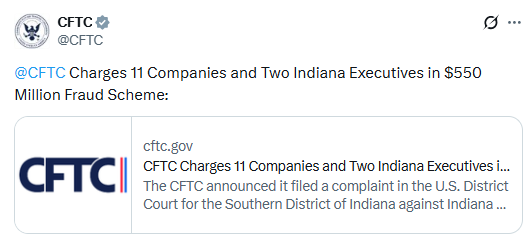
Breaking: the CFTC alleges a forex Ponzi scheme that took in more than $550 million from at least 2,100 participants. It filed a civil complaint on November 20 against Indiana executives Phillip Williams and Devin Johnson and 11 Backward Hat companies.
All claims here are allegations, not findings. The defendants are presumed innocent.
What Does the CFTC Allege Happened?
Item
CFTC allegation
Amount
More than $550 million
Participants
At least 2,100
Defendants
2 executives, 11 companies, 4 relief defendants
Promise
Forex trading, returns above 6% monthly
Allegation
Little to no forex trading occurred
Use of funds
Personal use and payments to other participants
Solicitation
At least through October 2026
The complaint says the companies operated as the Backward Hat Common Enterprise. It also charges Williams as a controlling person. Backward Hat Capital Management LLC was never registered with the CFTC in any capacity, the complaint says.
The promised returns were not verified returns. A 6% monthly rate compounds to about 101% a year, which prosecutors describe as more than doubling money.
Why Do Three Agencies Cite Different Totals?
Agency
Date
Amount alleged
Manhattan federal prosecutors
November 18
$600 million+ from 2,000+ investors
CFTC
November 20
$550 million+ from at least 2,100 participants
SEC
November 20
About $560 million from 2,000+ investors
The releases do not reconcile the figures. Separate cases, periods and counting methods may explain the gap.
Prosecutors allege more than $200 million of new investor money paid earlier investors. They say more than $130 million went to Williams and more than $40 million to Johnson.
The SEC says investors were told funds would be converted to crypto assets and used for currency arbitrage by an "AI-driven" algorithm. It also names Johnson's AI Capital and Traders Point Capital funds, and Joseph Anderson, who allegedly produced fake audit reports.
On November 18, prosecutors charged both men with securities fraud, conspiracy to commit wire fraud and conspiracy to commit securities fraud. The FBI arrested them that day. Maximum sentences are set by Congress, and a judge decides any sentence.
Forex Ponzi Scheme: What Happens After the Asset Freeze?
The court entered a restraining order on Wednesday freezing assets of the defendants and relief defendants. It also lets the CFTC inspect records.
On November 20, the court appointed Kevin B. Duff as temporary receiver. The receiver will take control of the company defendants, certain relief defendants and the individual defendants' assets.
The CFTC seeks:
Money: restitution, disgorgement and civil penalties
Bans: trading and registration bans
Injunction: a permanent order against further violations
The SEC obtained its own restraining order and asset freeze.
This forex Ponzi scheme case offers a few checks for investors:
Registration: look up managers in the National Futures Association's BASIC database
Returns: be wary of steady, high monthly profits
Audits: confirm that an auditor is truly independent
The FBI has set up a page for possible victims at fbi.gov/backwardhatinvestors.
The Bottom Line
This forex Ponzi scheme case rests on civil and criminal allegations from three agencies with different totals. A receiver and asset freezes are in place, and nothing is proven. Treat promised returns as claims, not results.
Disclaimer: This article is for informational purposes only and is not financial, legal or trading advice. It is based on official sources reviewed as of November 21, 2026. All allegations remain unproven, and defendants are presumed innocent. Court orders and reported amounts may change. Forex and crypto trading carry risks, including total loss. Verify details through official sources.