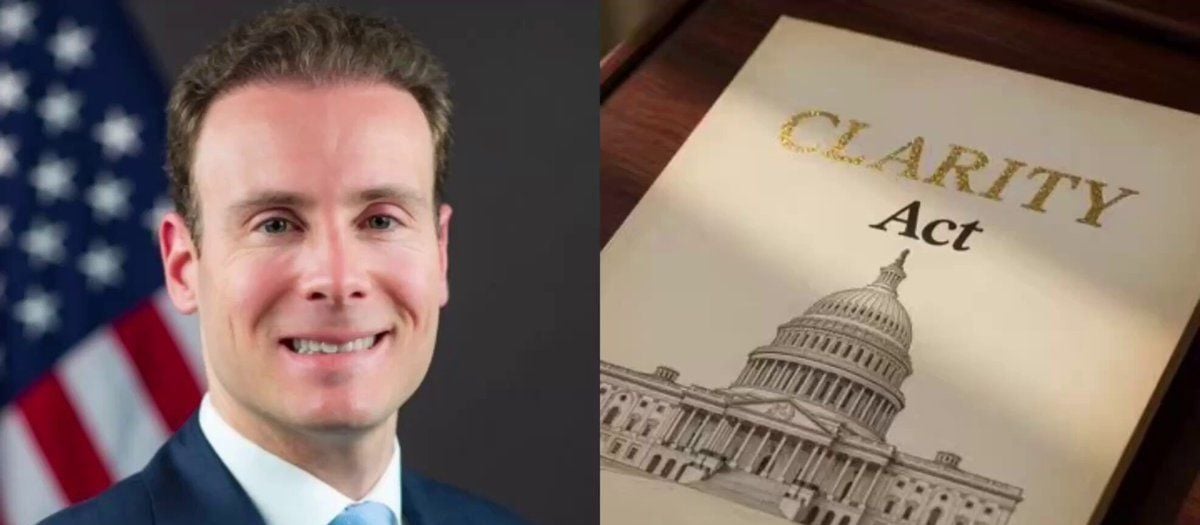
The Senate voted 49-50 against the CLARITY Act on Tuesday, dealing a major blow to the crypto industry's push for a comprehensive market structure framework after months of negotiations aimed
The Senate voted 49-50 against the CLARITY Act on Tuesday, dealing a major blow to the crypto industry's push for a comprehensive market structure framework after months of negotiations aimed at building bipartisan support.The bill needed 60 votes to clear the procedural hurdle. Only 49 senators voted yes, with 50 voting no, including all Democrats and four Republicans: Sen. Susan Collins of Maine, Josh Hawley of Missouri, Jerry Moran of Kansas, and Thom Tillis of North Carolina.
Leading up to the vote, Democrats expressed frustration that Republican negotiators did not meet their demands regarding ethics provisions to address profits gained from crypto ventures by President Donald Trump and his family.The failure effectively ends market structure legislative work in the Senate for 2026 and is a major blow to the crypto industry, which has invested years and hundreds of millions of dollars into trying to advance its interests.
CFTC Ready to Act on Its Own
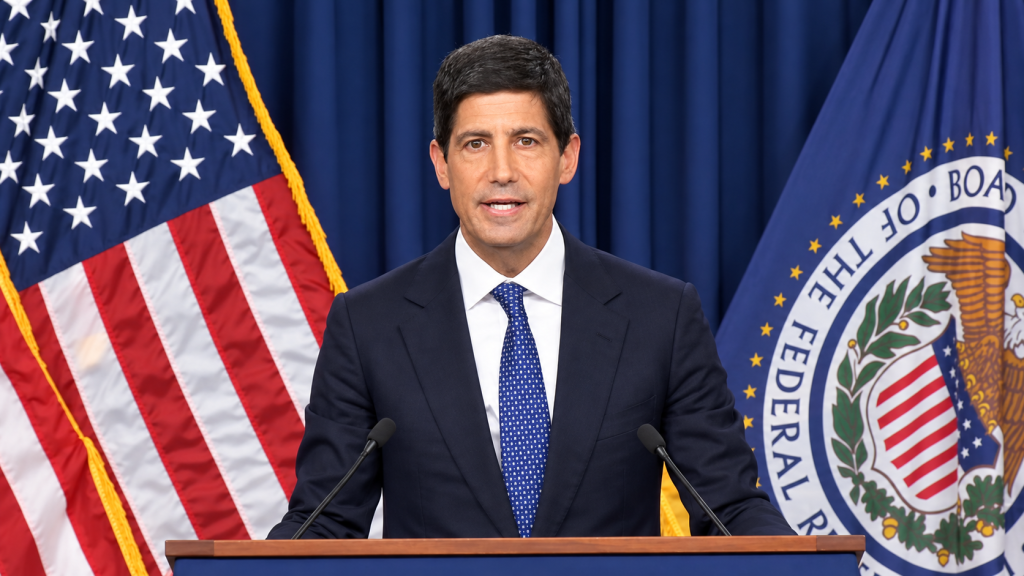
On August 20, 2026, CFTC Chairman Michael S. Selig used the inaugural meeting of the agency's Innovation Advisory Committee to outline the agency's plans to develop a regulatory framework for crypto asset markets using existing CFTC authority, independent of the CLARITY Act.In prepared remarks, Selig confirmed that he has directed CFTC staff to begin exploring rules to codify a CFTC market structure for crypto assets using the agency's existing authorities.
Selig said a Senate failure would spur his agency to create a "crypto asset market" regulatory label for firms, modeled on the CFTC's existing category of designated contract markets.He emphasized that blockchain-driven financial innovations are inevitable and that the real question is whether America leads in writing the rules or allows other countries to take the lead.
Selig framed the plan as a backstop, not a replacement for legislation, and said passing the CLARITY Act remains the surest path to durable rules.Under the CFTC's proposed rules, crypto exchanges would be designated as crypto asset markets and permitted to offer trading, while staff would also explore ways for developers to offer their protocols in a legal and compliant manner.
What Comes Next for the Industry
Crypto executives said the Senate vote does not unwind the regulatory progress already underway at the SEC and CFTC, but what it leaves unresolved is durability: agency rules can change with a new administration, while legislation would have given the industry a more permanent framework.In the meantime, the SEC's Regulation Crypto Assets workstream and CFTC spot-market drafting under existing Commodity Exchange Act authority remain the live administrative tracks for U.S. digital asset policy through the end of 2026.
@ChairmanSelig and the @CFTC now carry the practical weight of filling the regulatory vacuum, at least for now.
Sources:CNBC: Senate cloture vote on Clarity Act failsCoinDesk: CFTC chief puts staff on notice to create crypto regulationsGovernment Enforcement Report: CFTC Chairman Selig announces plans to develop crypto market-structure rules