A court in Russia's Far East fined a woman 15,000 rubles ($178) after a prank bear photo she made with OpenAI's ChatGPT sent wildlife rangers hunting a nonexistent animal. Key Points: A woman
A court in Russia's Far East fined a woman 15,000 rubles ($178) after a prank bear photo she made with OpenAI's ChatGPT sent wildlife rangers hunting a nonexistent animal.
Key Points:
- A woman in Russia's Amur region used ChatGPT to make a fake bear photo as a joke for a friend.
- The picture spread through messaging apps, prompting calls to police and a search by rangers.
- The fine follows a string of deadly bear attacks that has put Russian officials on high alert.
ChatGPT Bear Hoax
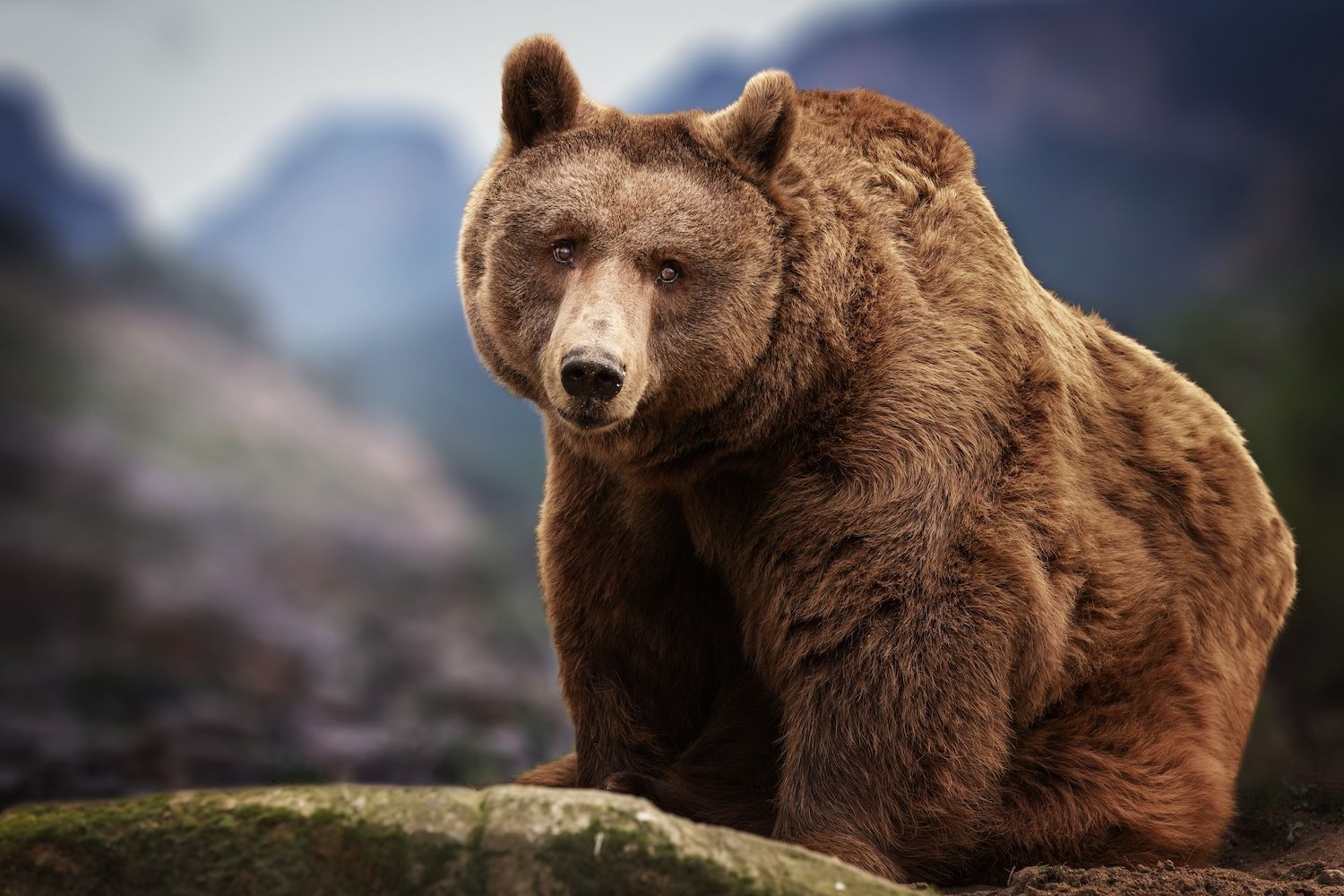
The woman, who lives in the Magdagachi settlement in the Amur region, used ChatGPT to create an image of a large brown bear walking down a local street, the regional courts' press service said. She sent it to a friend in September.
"The joke quickly got out of control," the press service said. The photo spread across messaging apps, and worried residents began calling police with reports of a bear in town. The district head then dispatched wildlife rangers to deal with an animal that did not exist.
The woman later called police herself and confessed to making the image, and a court ordered her to pay the fine this week.
Also Read:France Could Tax Stablecoin Swaps At 31.4%, Chainalysis Warns Of Offshore Exodus
Russia Bear Attacks
The case comes as Russian authorities remain on high alert after a series of deadly bear attacks in several regions this year. Experts say growing bear populations and a poor crop of berries and pine nuts have raised the chances of hungry animals meeting people.
At least 26 people have died in bear attacks since spring, when the animals leave hibernation, according to a state news agency count.
More than 3,440 bears deemed a threat to humans have been killed since January, a separate state tally published Oct. 10 showed. The government said last month it is drafting urgent measures to control a brown bear population that has more than doubled in three decades to 308,000, partly due to shorter and milder winters.
The Amur case is not the first AI animal scare to reach Russian officials this year. In September, a woman from the Transbaikal village of Duldurga was fined 30,000 rubles and had her iPhone 11 confiscated after her fake bear image ended up on the regional nature ministry's official channel. In January, officials in Primorye filed a police report over an AI video of a tiger attacking a man, a violation that carries fines of up to 100,000 rubles.
Read Next:MNX Opens Pre-IPO Bets On OpenAI And Anthropic Valuations, No Shares Required