BitcoinWorld China’s Commerce Ministry Formally Opposes US Proposed Tariffs on Forced Labor Goods China’s Ministry of Commerce has formally voiced its opposition to proposed U.S. tariffs targ
BitcoinWorld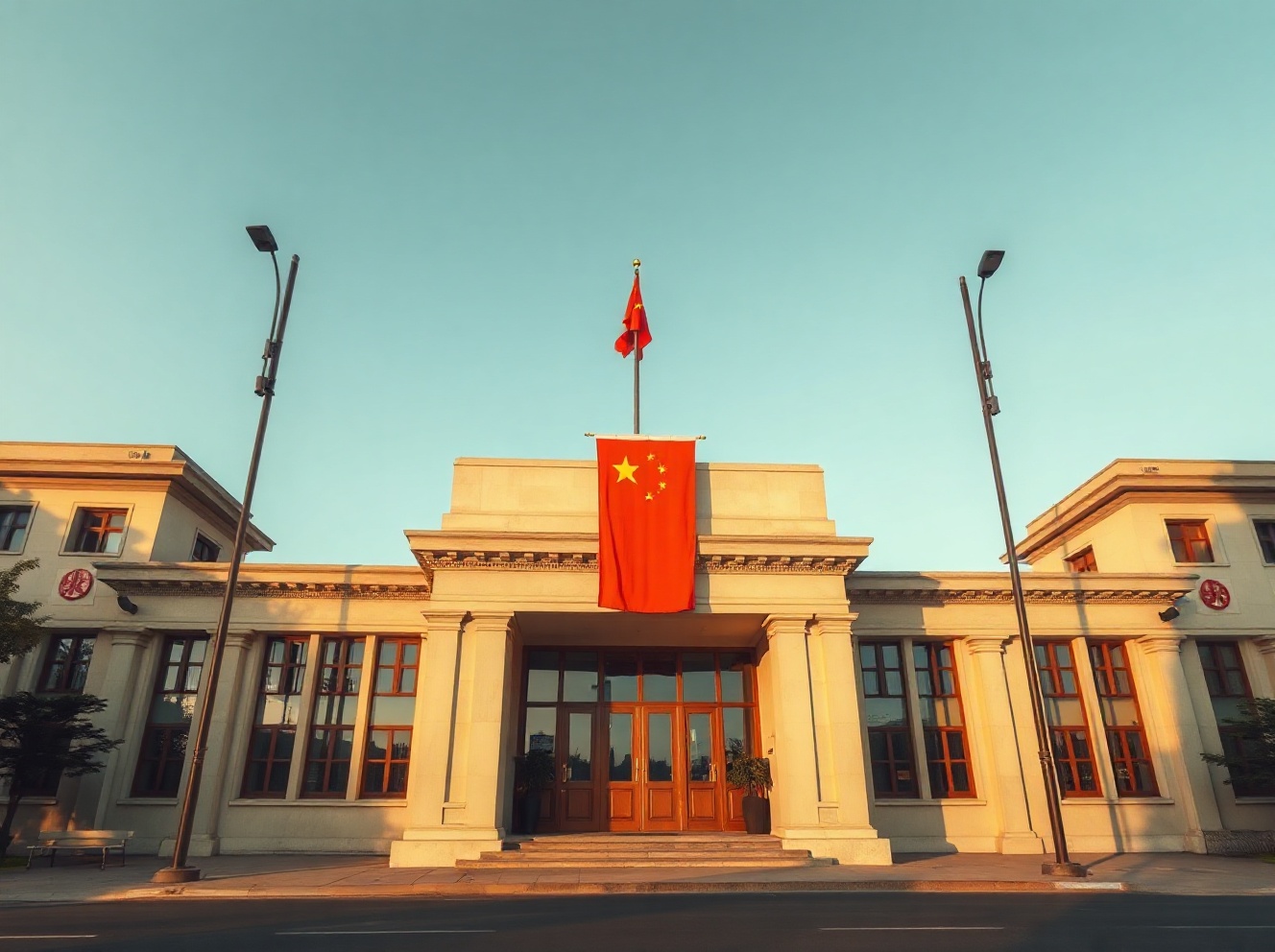 China’s Commerce Ministry Formally Opposes US Proposed Tariffs on Forced Labor Goods
China’s Ministry of Commerce has formally voiced its opposition to proposed U.S. tariffs targeting imports allegedly linked to forced labor practices. The move escalates a simmering trade dispute between the world’s two largest economies, with implications for global supply chains and international trade law.
Background of the Tariff Proposal
The U.S. government has been considering additional tariffs on goods from certain regions and industries over concerns about forced labor in supply chains. The proposed measures would expand existing restrictions under Section 307 of the Tariff Act of 1930, which prohibits imports of goods produced by forced labor. The new tariffs would apply higher duties on specific products, potentially affecting sectors such as textiles, electronics, and agricultural commodities.
China’s Commerce Ministry issued a statement rejecting the allegations and warning that such tariffs violate World Trade Organization rules. The ministry argued that the U.S. lacks credible evidence and that the measures are protectionist in nature, aimed at undermining China’s manufacturing competitiveness.
Legal and Diplomatic Implications
The dispute centers on the interpretation of forced labor standards and the burden of proof. Under WTO agreements, member states must provide clear evidence before imposing trade restrictions. China contends that the U.S. has not met this threshold and that the proposed tariffs are discriminatory.
Trade analysts note that this is not an isolated incident but part of a broader pattern of trade friction between the two nations. The U.S. has previously imposed tariffs on Chinese goods over intellectual property theft and technology transfer practices. China has retaliated with tariffs on American agricultural and industrial products.
What This Means for Businesses
For multinational companies operating in China or sourcing from the region, the proposed tariffs introduce significant uncertainty. Supply chain managers may need to reassess sourcing strategies, increase due diligence on labor practices, and prepare for potential cost increases. Industries most exposed include apparel, electronics assembly, and solar panel manufacturing.
Consumer goods prices could rise if tariffs are enacted, affecting retail markets in both the U.S. and China. The dispute also complicates ongoing efforts to negotiate a broader trade agreement, as both sides appear entrenched in their positions.
Conclusion
China’s formal opposition to the U.S. forced labor tariff proposal marks a new chapter in bilateral trade tensions. While the immediate outcome remains uncertain, the dispute underscores the growing role of labor standards in international trade policy. Businesses and policymakers should monitor developments closely, as the resolution will have lasting effects on global supply chains and trade relations.
FAQs
Q1: What exactly is the U.S. proposing?The U.S. is considering additional tariffs on imports from certain regions and industries over alleged forced labor practices. These would expand existing restrictions under Section 307 of the Tariff Act.
Q2: Why is China opposing these tariffs?China argues that the U.S. lacks credible evidence of forced labor in the targeted supply chains and that the tariffs violate WTO rules against discriminatory trade practices.
Q3: How could this affect global trade?If enacted, the tariffs could raise costs for businesses, disrupt supply chains, and escalate trade tensions between the U.S. and China, potentially leading to retaliatory measures and broader trade instability.
This post China’s Commerce Ministry Formally Opposes US Proposed Tariffs on Forced Labor Goods first appeared on BitcoinWorld.