This article was first published on TurkishNY Radio. The future of the CLARITY Act may be decided within weeks as lawmakers work to finalize one of the most consequential cryptocurrency marke
This article was first published on TurkishNY Radio.
The future of the CLARITY Act may be decided within weeks as lawmakers work to finalize one of the most consequential cryptocurrency market structure bills currently under consideration in Washington.
Speaking on Fox Business on June 24, Senator Cynthia Lummis said negotiators expect to complete compromise language around the July 4 congressional recess and intend to advance the legislation during July.
The statement marks the clearest timeline yet from a leading supporter of the bill, but significant political and procedural hurdles remain before the measure can become law.
While the CLARITY Act cleared the Senate Banking Committee in May with bipartisan backing, it still lacks final legislative text, confirmed floor time, and the broader coalition needed to survive a Senate vote.
For the digital asset industry, the next several weeks could determine whether regulatory clarity arrives in 2026 or remains out of reach for several more years.
Why July Is Critical for the CLARITY Act
The Senate’s legislative calendar leaves little room for delays.
Lawmakers are scheduled to spend part of early July in their home states before returning for a short working period ahead of the August recess. That effectively creates a narrow window for Senate leadership to schedule debate and votes on the CLARITY Act.
Political analysts following the legislation have warned that missing this period could significantly weaken the bill’s chances. As election-related priorities begin to dominate the congressional agenda later in the year, securing floor time for complex crypto legislation becomes increasingly difficult.
Lummis has repeatedly argued that failing to act now could postpone meaningful digital asset market structure reform until the next Congress, potentially delaying comprehensive regulation well beyond 2026.

Will the CLARITY Act Survive July’s Critical Senate Test?
How the CLARITY Act Could Reshape Crypto Rules
At its core, the CLARITY Act seeks to establish clearer rules for how digital assets are regulated in the United States.
For years, cryptocurrency companies have faced uncertainty over whether certain tokens should be treated as securities under the Securities and Exchange Commission (SEC) or commodities under the Commodity Futures Trading Commission (CFTC).
The absence of clear boundaries has resulted in regulatory disputes, enforcement actions, and legal challenges across the industry.
The legislation attempts to address that uncertainty by creating a framework that defines regulatory responsibilities while outlining compliance standards for exchanges, token issuers, brokers, and other market participants.
Supporters argue that a clearly defined structure would encourage responsible growth while improving oversight and investor protections.
Democratic Support Remains the Key Test
Although the bill advanced through committee with support from Democratic Senators Ruben Gallego and Angela Alsobrooks, neither lawmaker has offered unconditional backing for the final version.
Their support was tied to ongoing negotiations surrounding ethics provisions, anti-money laundering safeguards, and consumer protection measures.
A June negotiating session involving senators and White House representatives reportedly ended without agreement after disputes emerged over ethics enforcement language connected to public officials and cryptocurrency-related business interests.
Those disagreements remain unresolved.
Because Senate rules typically require 60 votes to advance major legislation, Republicans will need support from multiple Democrats. Whether lawmakers such as Gallego and Alsobrooks ultimately support the final package may influence the broader Democratic response to the bill.
AML and Banking Concerns Continue to Shape the Debate
Another major point of discussion involves anti-money laundering requirements and the treatment of crypto products that resemble traditional banking services.
Critics have argued that some digital asset platforms could potentially offer reward-based products without being subject to the same regulatory obligations faced by banks.
Lummis has pushed back against those concerns. During her Fox Business appearance, she stated that critics had mischaracterized portions of the legislation and pointed to revisions designed to prevent rewards programs from functioning like traditional interest-bearing deposits.
The senator also highlighted provisions that allocate funding to combat illicit crypto activity, arguing that the legislation strengthens enforcement rather than weakens it.
Meanwhile, industry groups have intensified efforts to build support. The Blockchain Association recently released a letter signed by 160 former national security, intelligence, and law enforcement officials urging Senate leaders to move the bill forward.
The group argued that regulatory clarity would improve oversight and strengthen compliance across the digital asset sector.
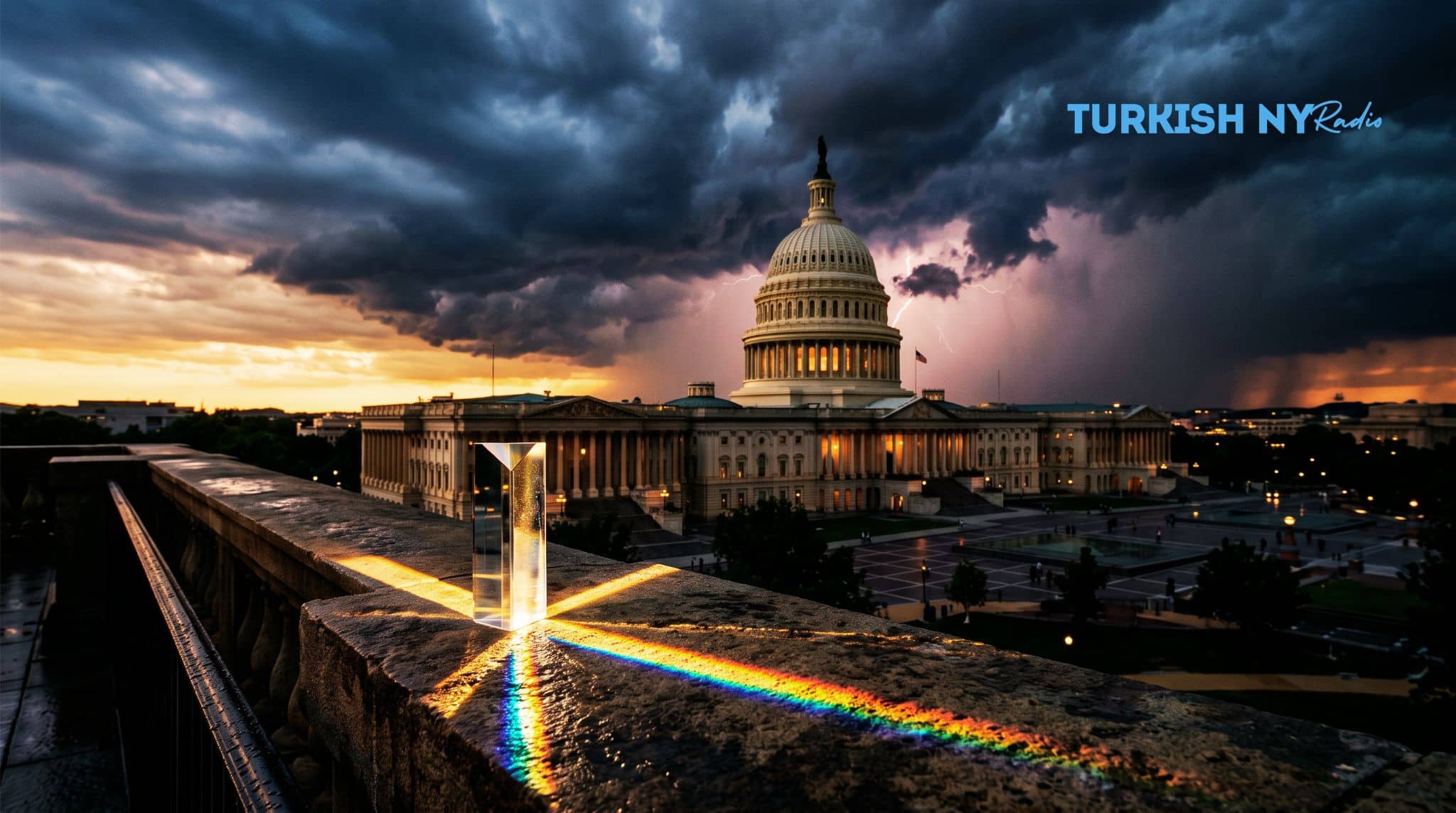
Will the CLARITY Act Survive July’s Critical Senate Test?
The Next Few Weeks Could Define U.S. Crypto Policy
The path forward for the CLARITY Act is now becoming clearer.
If negotiators finalize compromise language, Senate leadership schedules floor consideration, and enough Democrats join Republicans, the bill could advance to one of the most significant votes on cryptocurrency regulation in U.S. history.
However, unresolved disputes over ethics provisions, anti-money laundering standards, and consumer protections still have the potential to slow progress.
For crypto exchanges, asset managers, blockchain developers, and institutional investors, the stakes are substantial. The CLARITY Act has become the leading vehicle for establishing a long-awaited federal framework for digital assets, and July may determine whether that framework moves closer to reality or remains unfinished business for a future Congress.
Summary
- Senator Cynthia Lummis says lawmakers are working toward finalizing the CLARITY Act around the July 4 recess, with hopes of moving the bill through the Senate later in July.
- The legislation aims to give the crypto industry clearer regulatory rules by defining the roles of the SEC and CFTC.
- Key negotiations are still ongoing, particularly around ethics provisions, anti-money laundering measures, and consumer protections.
- Supporters, including industry organizations and former national security officials, argue the bill would strengthen oversight and provide much-needed certainty.
- With limited time on the Senate calendar, July could be a make-or-break month for U.S. crypto regulation.
Glossaey of Key Terms
1. CLARITY Act The CLARITY Act is a proposed U.S. bill that aims to set clear rules for the crypto industry. Its goal is to help businesses and investors better understand how digital assets should be regulated.
2. Cryptocurrency Cryptocurrency is digital money that can be sent, received, and stored online. Unlike traditional currencies, it operates on blockchain networks rather than through central banks.
3. SEC (Securities and Exchange Commission) The SEC is a U.S. financial regulator that helps protect investors and oversees investment markets. It works to ensure companies follow financial laws and disclose important information.
4. CFTC (Commodity Futures Trading Commission) The CFTC regulates commodities and certain trading markets in the United States. Under proposed crypto legislation, it could play a larger role in overseeing some digital assets.
5. Digital Assets Digital assets are items of value that exist electronically. This category includes cryptocurrencies, blockchain-based tokens, and other assets that can be bought, sold, or transferred online.
6. Anti-Money Laundering (AML) AML refers to rules that help prevent criminals from using financial systems to hide or move illegal funds. These safeguards are designed to make financial activities more transparent.
7. Senate Vote Threshold Many major bills in the U.S. Senate need broad support to move forward. This process helps ensure that important legislation receives backing from lawmakers across party lines.
8. Regulatory Clarity Regulatory clarity means having clear and predictable rules. For the crypto industry, it helps companies understand what is allowed, what is restricted, and how to comply with the law.
FAQs About CLARITY Act
1: What is the CLARITY Act?
The CLARITY Act is a proposed U.S. bill designed to create clearer rules for the crypto industry by defining how digital assets are regulated.
2: Why is the CLARITY Act important for crypto?
The bill could reduce regulatory uncertainty, help businesses operate with clearer guidelines, and give investors greater confidence in the digital asset market.
3: Why hasn’t the CLARITY Act passed yet?
Several issues are still being debated, including ethics rules, anti-money laundering safeguards, and consumer protections. Lawmakers must also secure enough Senate support.
4: What could happen if the CLARITY Act is delayed?
If the bill fails to advance in July, it may face a longer wait as Congress shifts attention to other priorities, potentially postponing crypto reforms.
Referencesfoxbusiness
Reuters
CoinDesk