Senate Republicans released a final 635-page Clarity Act rewrite with 126 Democratic changes and tougher ethics rules before Tuesday’s 60-vote cloture test. Key Points: The final text adds to
Senate Republicans released a final 635-page Clarity Act rewrite with 126 Democratic changes and tougher ethics rules before Tuesday’s 60-vote cloture test.
Key Points:
- The final text adds tougher ethics restrictions, including divestment or blind-trust requirements for certain holdings.
- State attorneys general gain enforcement standing, while the 2029 sunset provision has been removed.
- Republicans still need seven Democratic votes to advance the bill in Tuesday’s cloture vote.
Clarity Act Changes
The final text, released Sunday by Sens. Cynthia Lummis, John Boozman and Tim Scott, is five pages longer than the Sep. 10 draft. The senators said it reflects more than a year of bipartisan negotiations and incorporates 126 substantive changes requested by Democrats. The vote is set for Tuesday afternoon.
The ethics section now bars covered officials from holding at least $15,000 in equity in businesses that derived a plurality of revenue from issuing or sponsoring tokens during the previous three years. Those officials must divest the interests or move them into a blind trust, while the rules also extend to presidents-elect, vice presidents-elect and members-elect. Children and dependents remain outside the provision.
The rewrite removes the 2029 sunset, changes penalties from a 10% cap to an inflation-adjusted 20% floor applied to both the interest and transaction, and gives state attorneys general standing to sue. Outside ethics, proprietary-trading exceptions narrow, “network token” becomes a digital asset rather than a digital commodity, and Treasury can respond to stablecoin-driven community-bank deposit flight. Developers gain BSA registration shields but lose express criminal money-transmitting protection.
Also Read: GPT-6 Astra Arrives With 5-45 Messages Per 5 Hours For Plus Users Read On Yellow.com
Lummis Vote Stakes
Donald Trump agreed to the revised ethics provisions after conflict-of-interest rules became a central obstacle in the negotiations. “President Trump voluntarily agreed to unprecedented ethics restrictions, holding every federally elected official, judge, and their spouses to some of the toughest ethics restrictions in U.S. history,” Lummis said. The concession does not settle the vote.
Republicans are presenting the draft as their final offer, while passage of cloture still depends on winning seven Democratic votes needed to reach 60.
“A no vote on Tuesday means opposing real ethics reforms on politicians’ personal investments… Democrats got what they wanted; now they need to take yes for an answer,” Lummis said. That enforcement change addresses a key Democratic demand.
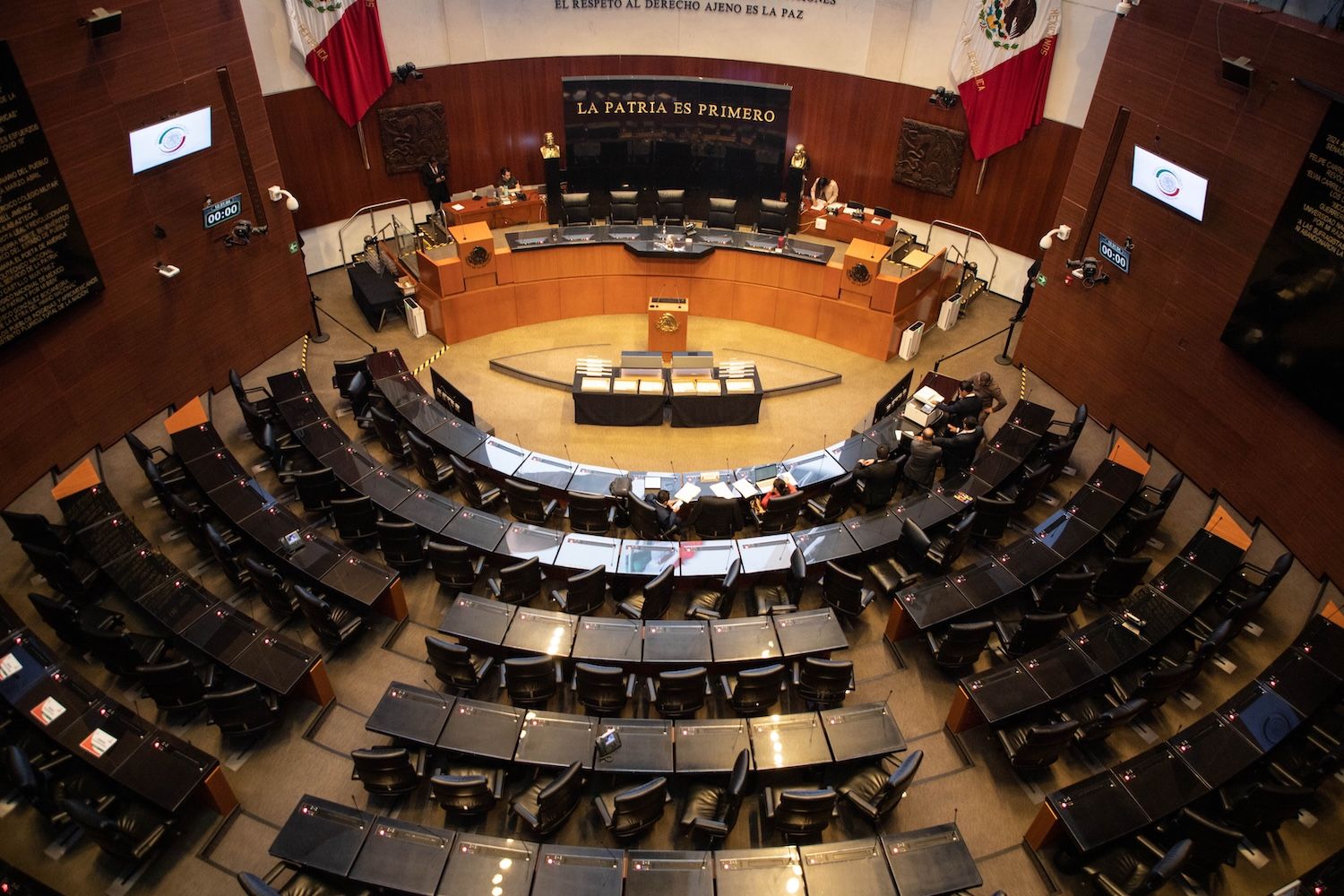
The cloture vote would determine whether the Senate can begin formal consideration of the broader market-structure bill, not whether the measure becomes law immediately. The Sep. 10 draft had no holdings ban and barred state attorneys general from bringing claims. Those disputes survived until the final rewrite.
Read Next: Bitcoin Holds Near $77,000 With Bull Market Signal Still Unconfirmed Read On Yellow.com