Senate Majority Leader John Thune filed cloture on H.R. 3633, the Digital Asset Market Clarity Act, early Saturday, shortly before the chamber adjourned for its August recess, formally puttin
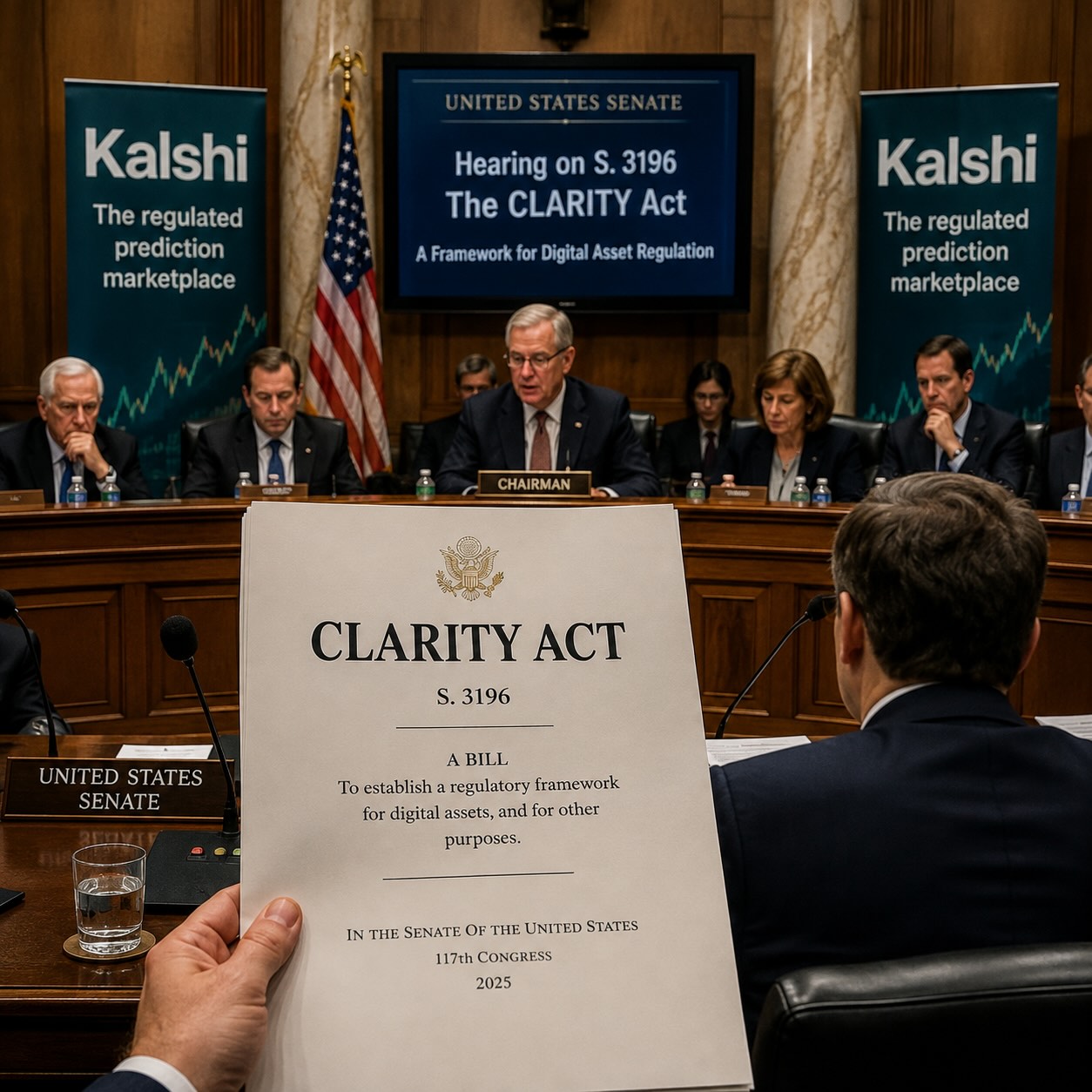
Senate Majority Leader John Thune filed cloture on H.R. 3633, the Digital Asset Market Clarity Act, early Saturday, shortly before the chamber adjourned for its August recess, formally putting the crypto market-structure bill on a path to the floor when the Senate reconvenes on September 14. Right now, Kalshi odds have fallen below 40% in favor of the bill passing during September.
The filing does not guarantee passage, but it replaces months of shifting target dates with a fixed procedural event: a cloture vote requiring 60 senators to proceed. The move matters because the Senate had already missed one deadline.
Lawmakers failed to bring the bill up before the August recess after Democrats withheld the unanimous consent needed to expedite floor business, a setback that compressed the legislative runway ahead of the November midterms. Thune’s cloture filing means leadership can move directly to a vote count in September rather than spend additional session days arranging one.
Sen. Cynthia Lummis, the bill’s lead Senate sponsor, described Thune’s filing as “clearing the way for CLARITY.” Her framing captures what changed: the question is no longer whether the Senate will schedule a vote, but whether Republicans can find the Democratic votes to survive it.
CLARITY Act Senate Vote: What the September Floor Schedule Actually Confirms and Which Provisions Remain Unresolved
 SOURCE: Kalshi
Cloture on a motion to proceed is a narrow procedural step that requires three-fifths of the Senate, or 60 votes. This means Republicans, holding 53 seats, need at least seven Democrats to begin debate.
Achieving this threshold allows consideration of the bill, but does not resolve ongoing disputes since the Senate Banking Committee advanced it 15-9 in May.
The bill, H.R. 3633, aims to create a federal framework for digital assets, dividing regulatory authority between the SEC and CFTC, moving away from the case-by-case approach to crypto oversight.
The contentious details in the Senate’s revised text include stablecoin rewards, where the latest proposal would ban rewards on idle stablecoin balances while allowing transaction-based incentives, leading to tensions between banks and stablecoin issuers.
With Kalshi odds falling from 41% to 39% in favor of the CLARITY Act passing in September, it is looking less likely that the September 15 meeting will provide the much-needed breakthrough. 43% of bettors are placing their money on the bill being passed before January 1st, 2028.
If this drags out through 2028, it could spell disaster for the crypto markets, as many analysts believe that passing the CLARITY Act will provide the spark for the next bull run.
September CLARITY Act Vote and the 60-Vote Coalition: Which Democrats, Republicans, Banks, and Crypto Firms Determine the Outcome
The coalition math for passing the legislation is clear but challenging. Republicans need seven Democratic votes for cloture, with the White House framing a September 15 deadline as critical.
Democrats are primarily concerned about consumer protection, illicit finance enforcement, and whether government officials can hold crypto business interests. A bipartisan proposal may require President Trump to divest from his crypto ventures, influencing Democratic support.
Banks and crypto firms are at odds over stablecoin rewards, with banks wanting them treated like deposits to safeguard their franchises, while crypto issuers argue that would undermine their competitiveness.
Coinbase CEO Brian Armstrong expressed the industry’s frustration at the Senate’s recent inaction on the CLARITY Act, urging lawmakers to complete the process in September to avoid further delays.
Crypto Expert Report: What Are the 10 Next Crypto to Explode in 2026?
Crypto Market-Structure Impact: What a September Vote Means for Exchanges, Stablecoins, DeFi, and US Capital-Market Infrastructure
The SEC-CFTC jurisdictional split central to CLARITY impacts listing and compliance for exchanges. A clear split would allow platforms to classify tokens based on statutory criteria, reducing delisting and litigation risks. However, the bill must pass cloture and a final vote, which are not guaranteed.
For stablecoin issuers, the Section 404 compromise delineates permissible transaction-linked incentives from deposit-like yields, potentially forcing those focused on yield-bearing products to restructure. In contrast, those emphasizing payment velocity may face limited disruption.
DeFi protocols face significant uncertainty, as the treatment of non-custodial activity remains unsettled. If the current DeFi language passes, it may impose registration or disclosure requirements on protocols outside SEC or CFTC oversight. Investors should view September as indicative of the direction rather than a final outcome, as amendments, delays, and failures are still possible.
What to Watch Before September: Amendments, Senate Vote Count, and House Reconciliation
The immediate marker is the cloture vote itself once the Senate reconvenes on September 14. Whip counts reported by named senators and staff in the run-up to that date will indicate whether Republicans have secured the seven Democratic votes needed, particularly on the presidential-divestment language that Democrats have made a condition of support.
Even a successful cloture vote and floor passage would not end the process. Because the Senate has amended the House-passed version of H.R. 3633, the two chambers would still need to reconcile competing texts before any final bill reaches the president’s desk, a step that could extend well past September regardless of how the cloture vote breaks.
Failure to reach 60 votes, by contrast, would seriously imperil the bill’s remaining path through the 2026 session given the shrinking legislative calendar ahead of the midterms.
Crypto Expert Report: What is the Best Meme Coin to Buy and Forget Until the Next Bullrun?
This article is for informational purposes only and does not constitute investment advice. The author holds no positions in the securities or assets discussed.
The post CLARITY Act News: Kalshi Odds Less Than 40% to Pass in September appeared first on Tokenist.