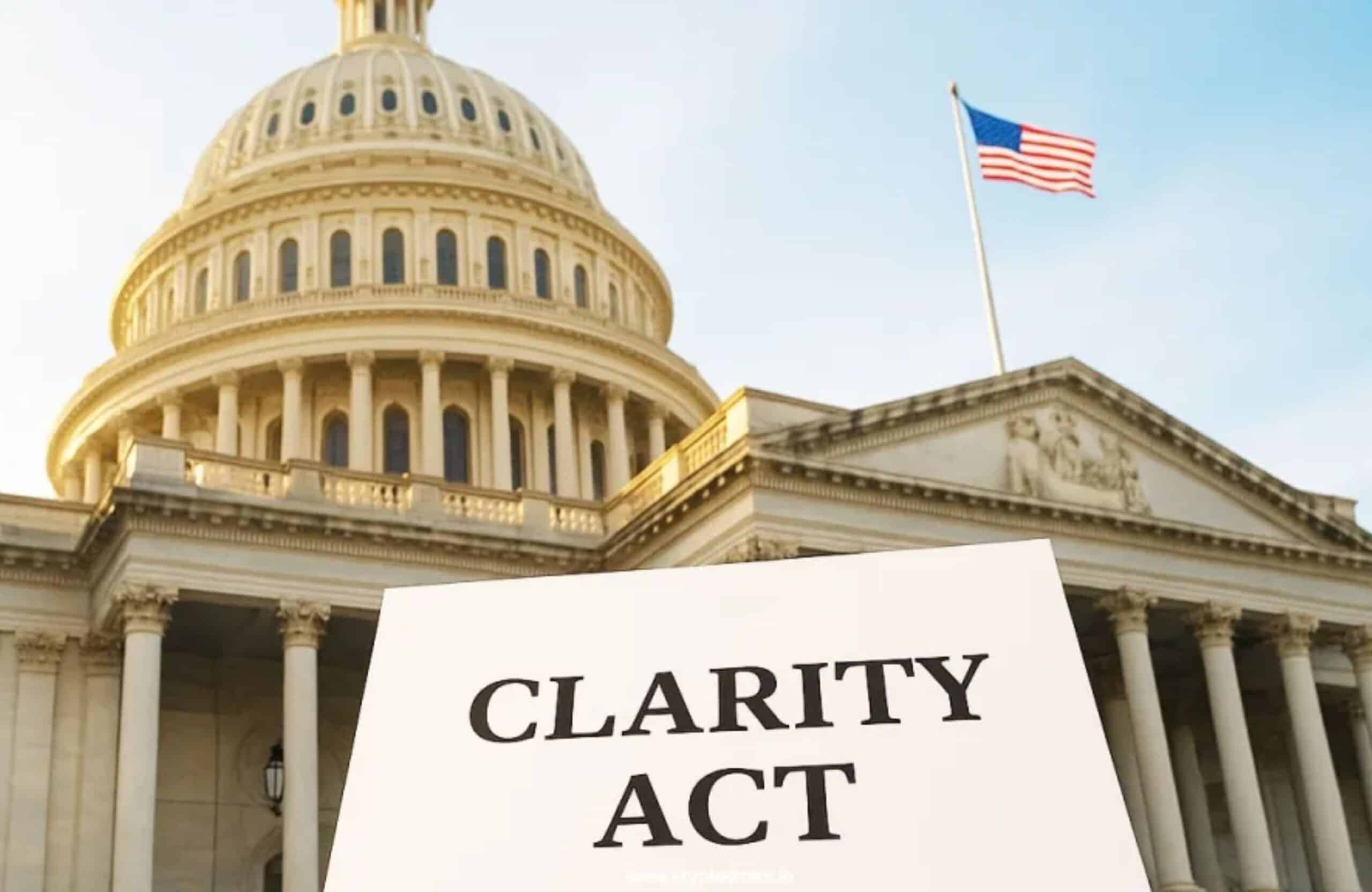
The US Senate has blocked the next step for the Digital Asset Market Clarity Act, potentially leaving crypto firms and investors without the single framework they’ve been waiting for all year
The US Senate has blocked the next step for the Digital Asset Market Clarity Act, potentially leaving crypto firms and investors without the single framework they’ve been waiting for all year.
A day before this vote, Senator Cynthia Lummis had accused Democrats of delaying the bill.
On September 15, senators voted 49-50 against invoking cloture on the motion to proceed to H.R. 3633. The vote did not permanently repeal or reject the bill, but it stopped the legislation from advancing through the Senate at that stage. Theofficial Senate record lists the measure as the Digital Asset Market Clarity Act.
But the result brought attention to the Securities and Exchange Commission and the Commodity Futures Trading Commission. Both agencies may now face pressure to clarify their existing authority over crypto assets while Congress remains divided.

Source:
US SenateThe vote exposed two different views of regulation
Republican senators who support the bill describe it as a way to protect consumers, support American innovation, and give businesses clearer rules.
Senator Katie Britt said the outcome was disappointing and urged the SEC and CFTC to act within their existing authority.Senator Dave McCormick made a similar comment, saying the status quo leaves consumers, investors, banks, and entrepreneurs without sufficient certainty.
Senator Cynthia Lummis also criticized the vote. In a post on X, she argued that Democrats had rejected consumer protections and weakened American leadership in digital assets. Her statement shows the Republican position, but it also indicates how far apart both sides remain on the bill’s purpose and safeguards.
Democratic senators offered a different explanation.Senator Michael Bennet said he voted against advancing the bill because he believed it did not address concerns about presidential and family crypto interests. His position shows the dispute wasn’t limited to technical market rules. Ethics, conflicts of interest, financial oversight, and political accountability also influenced the debate.
Industry reaction points to the next battleground
Ripple CEO Brad Garlinghouse described the result as a serious setback for the industry. He argued that the vote left consumers and US competitiveness behind. But he also said there was still reason for optimism because the SEC and CFTC could continue developing rules under existing law.
Garlinghouse’s response is important because it separates the legislative failure from the general crypto outlook. Ripple may still expand its operations, serve customers, and pursue partnerships even without a new federal market-structure law. The failed vote therefore creates regulatory uncertainty, but it does not automatically stop commercial activity.
Michael Saylor offered a similar view. He said the SEC, CFTC, and Treasury could advance rules under existing authority, while banks may expand Bitcoin custody and lending products. His comments suggest that some industry participants now expect progress through agencies and financial institutions rather than Congress.
That route could produce faster changes in specific areas. It may also create uneven rules, since agencies can act only within their legal powers and may face court challenges.
ALSO READ: What Phase is the Global Push to Regulate Crypto Entering?
SEC and CFTC action will have limits
The Senate vote does not give either regulator new powers. The SEC and CFTC must continue working within existing statutes, previous court decisions, and their separate areas of authority.
That distinction matters. Agency guidance can clarify how current rules apply to exchanges, token issuers, brokers, derivatives platforms, and custodians. It may not settle every question the Clarity Act was designed to address.
The lack of legislation may also leave firms managing overlapping or uncertain obligations. A token, platform, or transaction could raise different questions depending on its structure, use, and economic features. Without a single framework, businesses may need to seek separate guidance or adjust their products to reduce enforcement risk.
What comes next?
The immediate focus will be on the SEC and CFTC rulemaking, enforcement priorities, public statements, and possible coordination with the Treasury Department. Congress could also reopen negotiations, but the September vote shows that a bipartisan agreement remains difficult.
For crypto markets, the main effect may be a longer period of uncertainty rather than one immediate shock. Firms may delay launches, investors may demand clearer disclosures, and US businesses may continue comparing domestic rules with overseas options.
The Clarity Act is not necessarily finished, but its failure changes the path forward. Until lawmakers reach another agreement, regulators will remain important to the next stage of US crypto policy.
Enjoyed this? BookmarkDeFi Planet, explore related topics, and follow us onTwitter,LinkedIn,Facebook,Instagram,Threads, and CoinMarketCap Community for seamless access to high-quality industry insights
Take control of your crypto portfolio with DEFI PLANET PRO, DeFi Planet’s suite of analytics tools.
The post Clarity Act Vote Fails, Leaving Crypto Rules in the Hands of the SEC and CFTC appeared first on DeFi Planet.