Armstrong Gets Ahead of the Story Coinbase CEO Brian Armstrong moved to set the record straight on September 19, getting ahead of what he described as an upcoming Wall Street Journal report s
Armstrong Gets Ahead of the Story
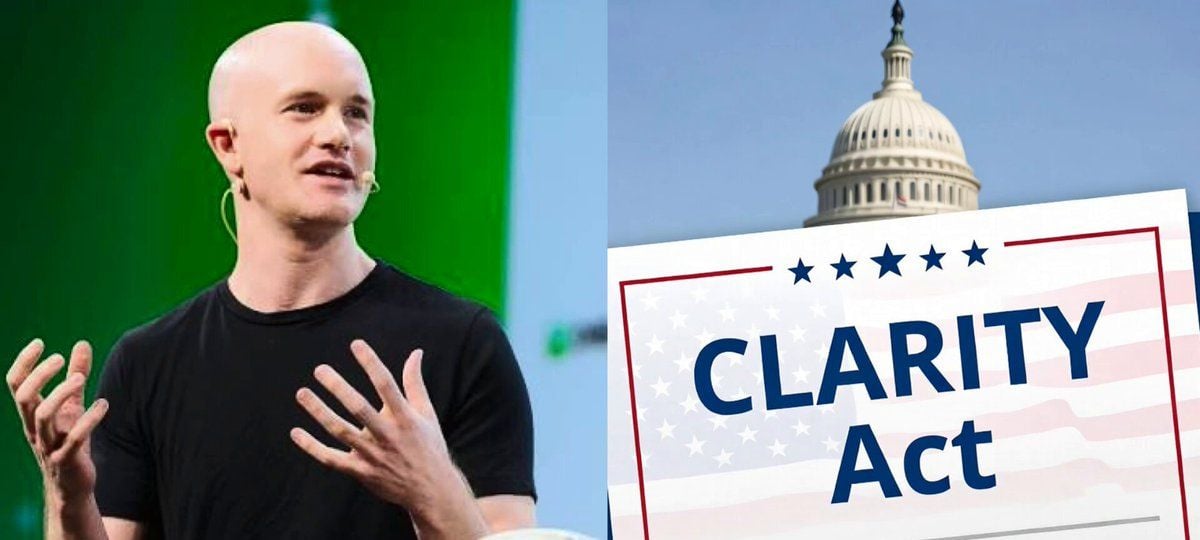
Coinbase CEO Brian Armstrong moved to set the record straight on September 19, getting ahead of what he described as an upcoming Wall Street Journal report set to pin the failure of the CLARITY Act on him and the company he leads.
Armstrong said the newspaper had been "hostile to CLARITY" and was recycling "bank lobby talking points," even as he had spent years pushing for federal crypto legislation. His response came just days after the Senate voted to block the Clarity Act from advancing, dealing a blow to the crypto industry's push for a comprehensive market framework.The bill needed 60 votes to clear that hurdle, but only 49 senators voted yes.
Armstrong did not deny his earlier opposition to the bill. Instead, he framed it as principled. He said Coinbase had opposed an earlier version of the legislation in January because of concerns involving decentralized finance, tokenization, Commodity Futures Trading Commission authority, and stablecoin rewards.At that stage, the bill had major issues that would have harmed crypto, support was fractured, and it was not passable.
From Opposition to Support
On January 14, 2026, hours before a planned Senate Banking Committee markup, Armstrong wrote that Coinbase could not support the draft "as written."Coinbase then worked with a number of parties to improve the bill, and all four of the items Armstrong called out were fixed in the draft that went through the committee about four months later.He supported the revised proposal and considered it suitable for approval when senators prepared to vote.
Despite Coinbase's eventual backing, the bill could not clear the Senate floor. The bill's defeat followed disagreements over ethics provisions, stablecoin rewards, and other measures affecting the digital-asset industry. Democrats and Republicans remained divided over restrictions involving President Donald Trump and other officials with financial interests in crypto, as well as concerns raised by banks about stablecoin rewards.Senator Tillis added a motion so that the bill can be reconsidered and brought up again for a vote, though its path forward remains uncertain as Congress approaches the 2026 midterm elections.
Armstrong struck a measured tone on what comes next. He argued that the SEC and CFTC can now set crypto rules under existing authority, without Congress.SEC Chair Paul Atkins pledged to "act decisively within the SEC's statutory authority," and CFTC Chairman Mike Selig said his agency is "locked in and ready to ship its rules." Armstrong also noted that the GENIUS Act already provides a framework for stablecoins.
Sources:Crypto Times: Armstrong Says WSJ Is About to Blame Him for the CLARITY Act FailureCNBC: Senate Cloture Vote on Clarity Act FailsNPR: Crypto Suffers Major Defeat as Senate Rejects Clarity Act