Open Food Chain, a consortium partner of the Cardano Foundation (@Cardano_CF), is anchoring verified supply chain data on @Cardano and surfacing it to shoppers through a QR code printed on pr
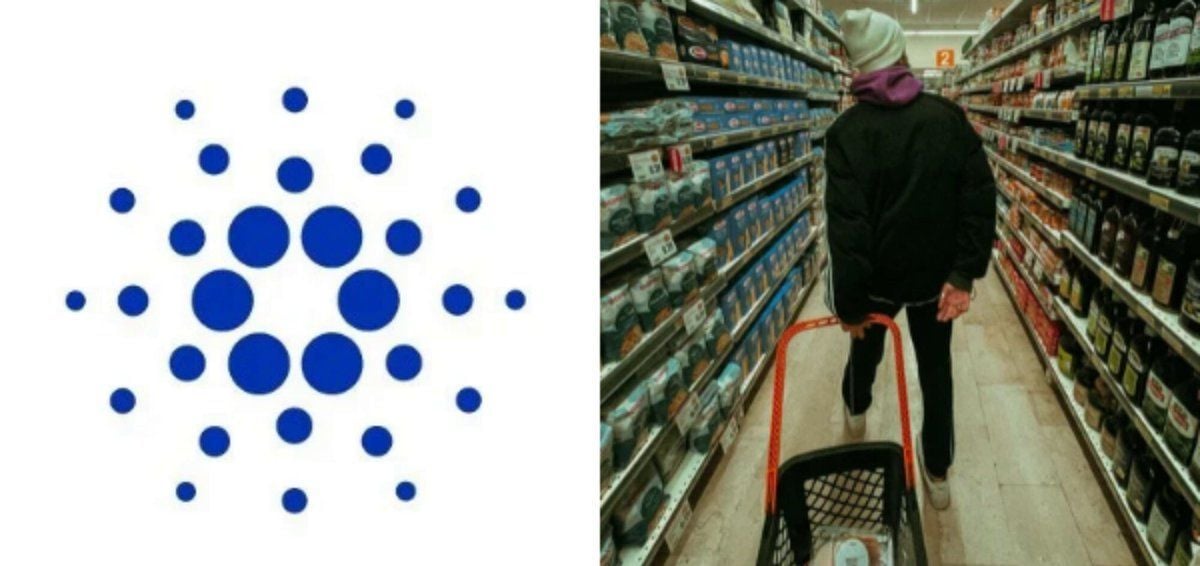
Open Food Chain, a consortium partner of the Cardano Foundation (@Cardano_CF), is anchoring verified supply chain data on @Cardano and surfacing it to shoppers through a QR code printed on product packaging. Scan the code, and a consumer can trace a deforestation-free claim all the way back to the source farm. No token changes hands anywhere in the process.
From Compliance Cost to Competitive Advantage
The pitch is straightforward: brands already pay for audits, certificates, and supplier evidence. Open Food Chain takes that existing documentation and converts it into a scannable digital product passport, anchored on Cardano so the underlying data cannot be quietly altered after the fact. According to Open Food Chain, the platform turns traceability records, certificates, and supplier evidence into a live passport accessible through a single QR code, with each claim linked to its evidence, scope, and review status.
Kraft Heinz and dairy trader Interfood are among the early enterprise partners. On the Kraft Heinz side, the collaboration is designed to deploy enterprise-grade food traceability on @Cardano, enabling transparent and scalable data flows across global food value chains, according to a Project Catalyst proposal outlining the initiative. Open Food Chain is contributing co-funding alongside Kraft Heinz technical staff for integration and validation workflows.
Early In-Store Numbers Show Consumer Pull
The first real-world retail test ran on Chocolatemakers chocolate. One in ten shoppers scanned the QR code, and those who did spent an average of 42 seconds engaging with the product story behind it. For a shelf interaction, that is a meaningful dwell time and early evidence that transparency, when made accessible, can influence purchasing behavior.
The broader context matters here. European regulators are tightening rules around deforestation and green claims, putting pressure on food brands to back up sustainability statements with verifiable evidence. Open Food Chain is positioning Cardano as the record-keeping layer that makes those claims tamper-evident and auditable, without requiring the consumer to know anything about blockchain. The QR code is the only interface they need.
Open Food Chain, founded in 2017 and based in Amsterdam, has built out deployments across cacao, juice, and meat value chains, with the platform used by more than 3,000 farmers, cooperatives, processors, and retailers across multiple continents, according to the Project Catalyst proposal. Its architecture has been redesigned to consolidate previously separate industry-specific chains onto a single platform integrated with @Cardano.
Sources:Open Food Chain: Official WebsiteProject Catalyst: Kraft Heinz Scaling Enterprise Food Traceability on Cardano