DeFi2 min read
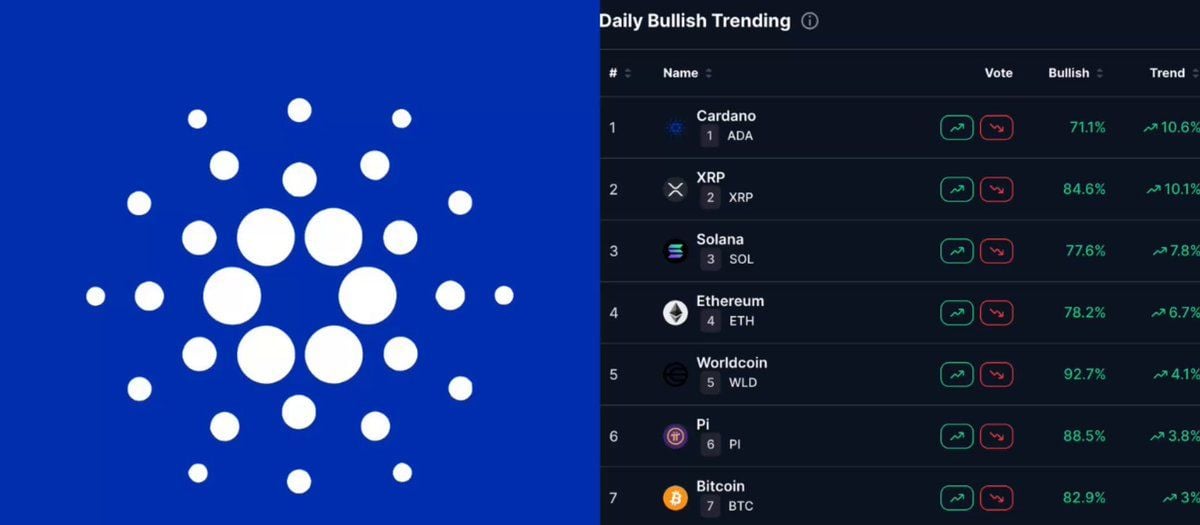
Cardano is getting attention again
ADA Leads Community Sentiment Rankings @Cardano has climbed to the top of CoinMarketCap's bullish sentiment rankings, with the $ADA ecosystem outpacing all other major protocols in community
BitcoinWorld Crude Oil Markets Are Pricing a Hormuz Deal, Not a Broader Peace Deal Crude oil prices are increasingly reflecting expectations of a diplomatic resolution concerning the Strait o
BitcoinWorld Crude Oil Markets Are Pricing a Hormuz Deal, Not a Broader Peace Deal

Crude oil prices are increasingly reflecting expectations of a diplomatic resolution concerning the Strait of Hormuz, rather than a comprehensive peace agreement in the Middle East. Market analysis of recent price action and futures curves suggests traders are betting on a specific, narrow outcome: the reopening of the strategic waterway to unhindered tanker traffic, without pricing in a broader de-escalation of regional tensions.
Recent price charts show a notable decline in the geopolitical risk premium embedded in crude futures. This decline, however, is not uniform across all contracts. The front-month Brent and WTI contracts have softened, while the backwardation structure — where near-term prices are higher than future months — has narrowed. This pattern is consistent with a market anticipating a removal of a specific supply disruption, not a fundamental shift in long-term supply-demand balances. The market is effectively saying it expects Hormuz to flow freely again, but it is not yet pricing in the kind of stability that would accompany a comprehensive peace deal, which would likely flatten the entire futures curve further.
The Strait of Hormuz is the world’s most important oil chokepoint, with roughly 20 million barrels per day — about 20% of global consumption — passing through it. Any disruption here has an immediate and outsized impact on spot prices. A deal that guarantees safe passage through the strait would remove the most acute risk facing oil markets today. However, such a deal would not address other sources of regional instability that affect oil infrastructure, including attacks on pipelines, refineries, or shipping lanes outside the strait. The market’s current pricing suggests investors see a higher probability of a narrow agreement to keep the strait open than a broader political settlement that would reduce risk across the entire region.
For traders, this means the current price floor is likely lower than many assume if a Hormuz deal is announced, but the potential for a sharp spike remains if negotiations fail. For policymakers, particularly in consuming nations like the U.S., Europe, and Asia, the market’s signal is clear: strategic petroleum reserves should be maintained for a scenario where the strait is disrupted, as a broader peace deal is not yet being priced in. The distinction is critical for hedging strategies and energy security planning.
The crude oil market is sending a nuanced signal. It is not celebrating a new era of Middle Eastern peace; it is pragmatically pricing a specific logistical fix. The difference is vital for anyone exposed to oil price risk. Until the futures curve flattens across all tenors, the market remains skeptical that the underlying geopolitical tensions have truly eased.
Q1: What is the Strait of Hormuz and why is it important for oil prices?A1: The Strait of Hormuz is a narrow waterway between Iran and Oman through which about 20% of the world’s oil passes. Any threat to its security directly impacts global oil supply and prices.
Q2: How can you tell the market is pricing a Hormuz deal and not a peace deal?A2: By analyzing the futures curve. A narrowing of backwardation (the gap between near-term and long-term prices) without a broad flattening indicates the market expects a specific supply disruption to end, not a comprehensive reduction in geopolitical risk.
Q3: What would happen to oil prices if a Hormuz deal is confirmed?A3: Prices would likely fall further as the immediate risk premium is removed. However, the decline may be limited because the market would still be pricing in other regional risks that a narrow Hormuz deal does not address.
This post Crude Oil Markets Are Pricing a Hormuz Deal, Not a Broader Peace Deal first appeared on BitcoinWorld.