BitcoinWorld Crypto Fear and Greed Index Drops to 39, Signaling Persistent Market Caution The Crypto Fear and Greed Index, a widely watched sentiment gauge, has fallen to 39, keeping the mark
BitcoinWorld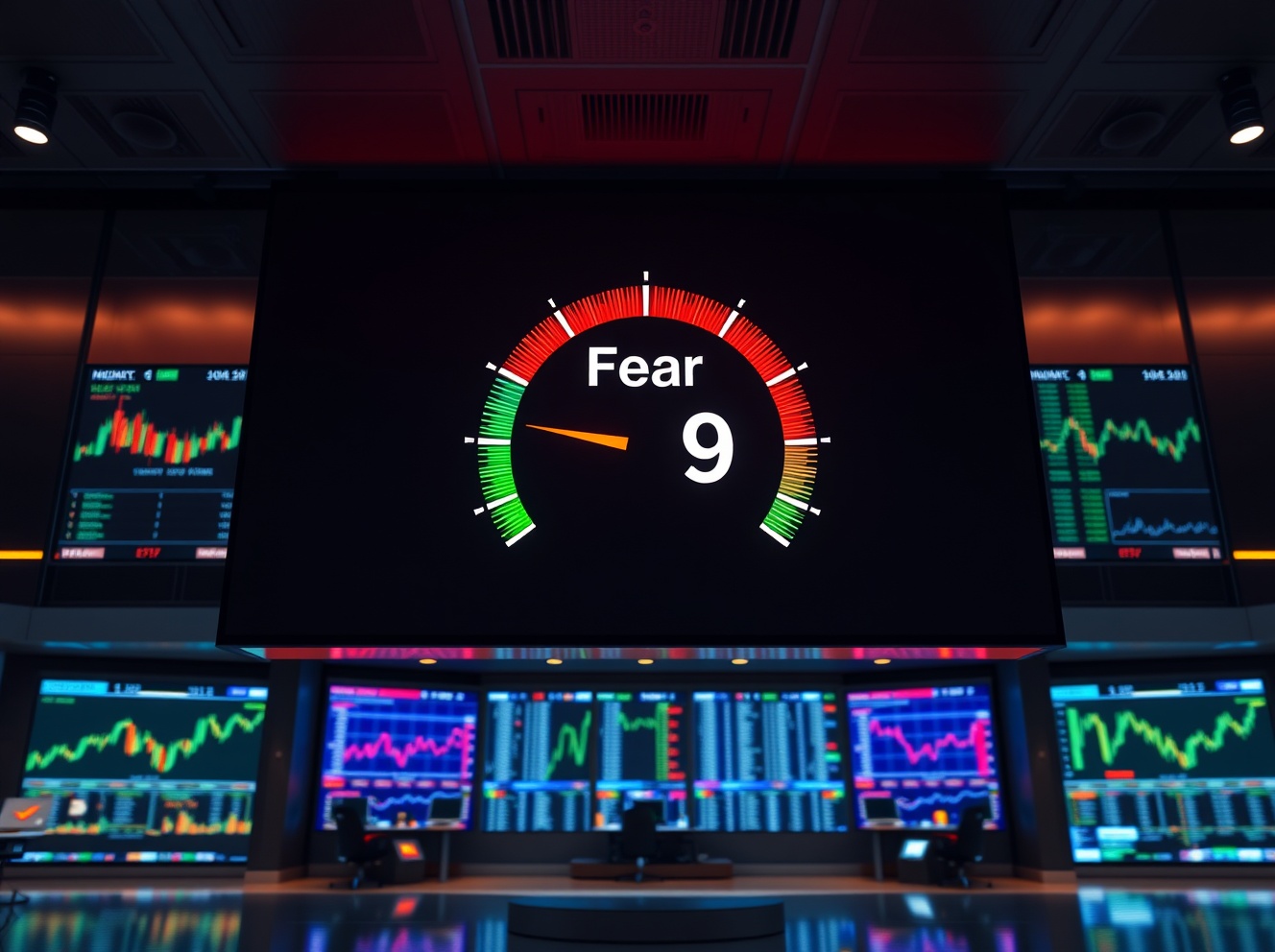 Crypto Fear and Greed Index Drops to 39, Signaling Persistent Market Caution
The Crypto Fear and Greed Index, a widely watched sentiment gauge, has fallen to 39, keeping the market in a state of fear. The reading, provided by CoinMarketCap, indicates that investors remain cautious, with sentiment hovering closer to the extreme fear zone than to optimism. The index, which ranges from 0 to 100, uses a combination of market data to measure the emotional state of crypto participants.
How the Index Is Calculated
CoinMarketCap’s index is not a single metric but a composite of several factors. It analyzes price movements among the top 10 cryptocurrencies by market capitalization, market volatility, derivatives indicators such as the put-call ratio, the stablecoin supply ratio (SSR), and proprietary search data from CoinMarketCap itself. Each component is weighted to provide a holistic view of market sentiment. The put-call ratio, for instance, reflects whether traders are buying more puts (bearish bets) or calls (bullish bets), while the SSR tracks the amount of stablecoins relative to the total market cap, which can signal buying power.
What a Fear Reading Means for Investors
A reading of 39 suggests that many market participants are hesitant, often interpreting such levels as a potential buying opportunity for contrarian investors. Historically, extreme fear readings have sometimes preceded market recoveries, as they indicate that selling pressure may be exhausting. However, the index alone is not a reliable timing tool; it merely reflects current sentiment. The current level suggests that while fear is present, it is not at the panic levels seen in previous downturns, leaving room for further declines or a potential stabilization.
Why This Matters
Sentiment indices like this one are important because they offer a snapshot of market psychology, which can drive short-term price movements. For traders, a fear reading can signal caution, but for long-term investors, it may present an entry point. The index also serves as a barometer for the broader crypto ecosystem, influencing decisions on portfolio allocation and risk management. As the market continues to navigate regulatory uncertainties and macroeconomic pressures, the Fear and Greed Index provides a useful, though not infallible, reference point.
Conclusion
The Crypto Fear and Greed Index at 39 reflects a market still gripped by caution. While not at extreme fear levels, the persistent sentiment suggests that investors are waiting for clearer signals before committing more capital. Understanding the components of the index can help readers interpret these readings and make more informed decisions. As always, sentiment is just one piece of the puzzle, and prudent investors should consider a range of factors before acting.
FAQs
Q1: What is the Crypto Fear and Greed Index?The Crypto Fear and Greed Index is a tool that measures market sentiment in the cryptocurrency space, using a scale from 0 (extreme fear) to 100 (extreme greed). It aggregates various data points, including volatility, market momentum, and trading volumes.
Q2: How often is the index updated?The index is typically updated daily, providing a real-time snapshot of market sentiment. CoinMarketCap’s version, along with others like Alternative.me, offers daily readings that traders and analysts monitor.
Q3: Can the index predict price movements?No, the index is a sentiment indicator, not a predictive tool. While extreme readings have historically coincided with market turning points, it is not reliable for forecasting future prices. It is best used in conjunction with other technical and fundamental analysis.
This post Crypto Fear and Greed Index Drops to 39, Signaling Persistent Market Caution first appeared on BitcoinWorld.