Crypto has created a large group of people with seven-figure wealth. The Henley & Partners Crypto Wealth Report 2026 counts 135,694 crypto millionaires worldwide, each holding USD 1 million o
Crypto has created a large group of people with seven-figure wealth. The Henley & Partners Crypto Wealth Report 2026 counts 135,694 crypto millionaires worldwide, each holding USD 1 million or more in digital assets.
Of those, 92,272 are bitcoin millionaires. The report uses market prices from 31 August 2026.
This article reviews the latest crypto millionaire statistics. It covers wealth tiers, market size, bitcoin’s price fall, ownership, spending habits and the countries that attract crypto investors. The figures come from Henley & Partners, New World Wealth and the news outlets that covered their reports.
One point matters before the numbers. The 2026 report uses a new method, so its wealth figures cannot be compared with the 2025 report. The 2025 figures appear in their own section, and no year-on-year change is given for 2026.
How Many Crypto Millionaires Are There in 2026?
Henley & Partners released the Crypto Wealth Report 2026 on 8 September 2026. It says there are 135,694 crypto millionaires in the world. Each one holds at least USD 1 million in digital assets.
Bitcoin accounts for most of this group. The report counts 92,272 bitcoin millionaires, which is about 68% of all crypto millionaires. That percentage is calculated from the two totals in the report.
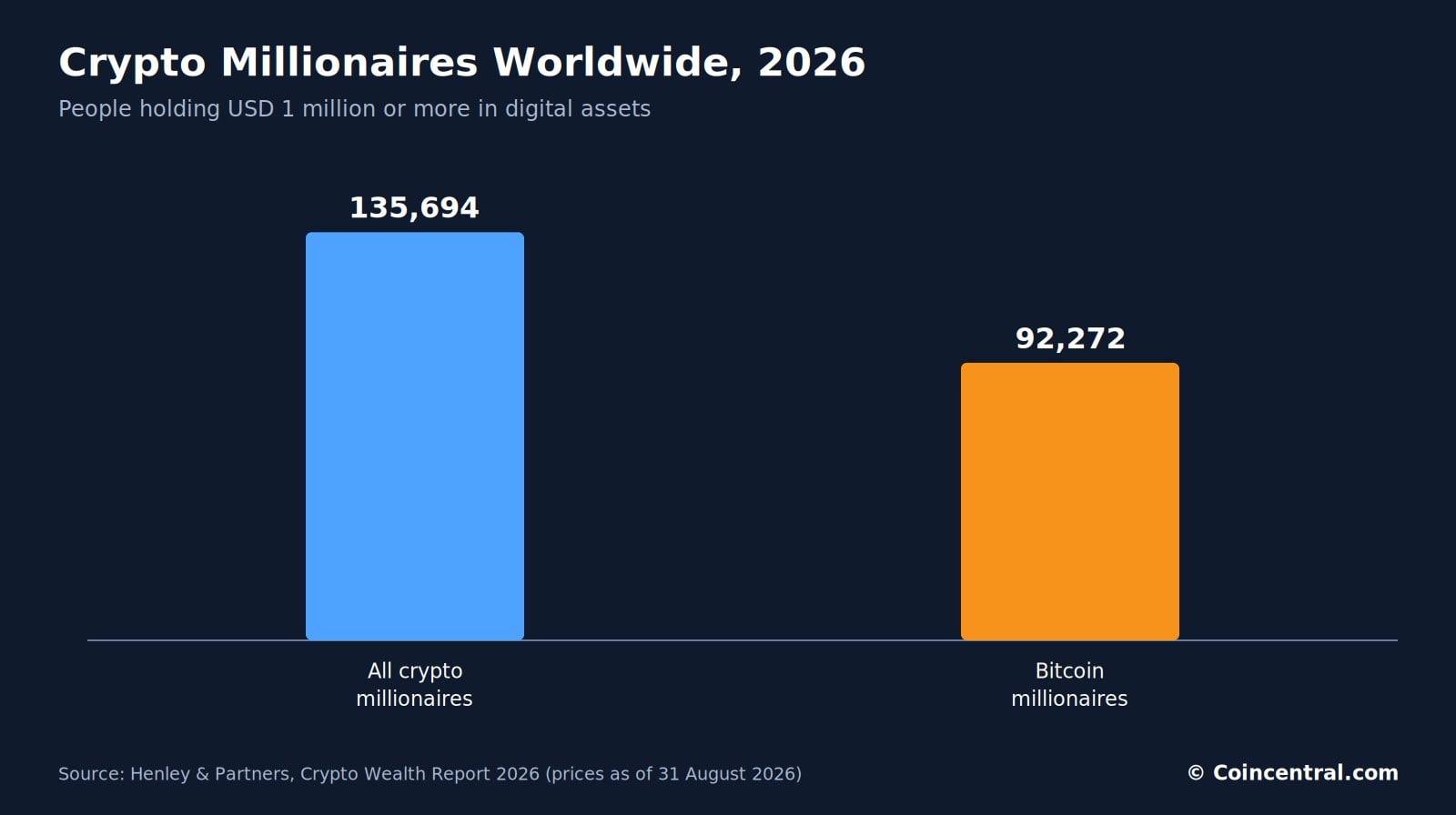
Chart 1: People holding USD 1 million or more in digital assets
The report features data from New World Wealth, a wealth intelligence firm. Henley & Partners says the figures are calculated on a new method. For that reason, the report publishes no year-on-year change for any wealth figure.
Readers should treat the 2026 numbers as a fresh starting point. Placing them next to the 2025 totals would give a misleading picture of growth or decline.
Measure (2026 report)
Total
Held in bitcoin
Crypto millionaires (USD 1 million or more)
135,694
92,272
Centi-millionaires (USD 100 million or more)
290
151
Crypto billionaires
23
9
Individuals holding digital assets
742 million
371 million
Dominic Volek, Group Head of Private Clients at Henley & Partners, said the owners of crypto still live in a specific place. “Crypto may be borderless, but the families who own it are not,” he said. “They still live, pay tax, educate their children, and operate within national legal and regulatory systems.”
Henley & Partners says it has seen growing interest from crypto-wealth holders asking about residence and citizenship options. They are weighing where to base themselves, their families and their wider financial affairs. The firm advises private clients on how investment migration, mobility and long-term wealth planning fit together.
Guenther Dobrauz-Saldapenna, Managing Partner at Henley & Partners Switzerland, said digital assets have changed the link between wealth and geography. “A self-custodied digital asset can move with its owner almost instantly,” he said. That makes a person’s choice of residence and legal setting far more important.
Crypto Centi-Millionaires and Billionaires
Wealth thins out quickly at the top. The report counts 290 centi-millionaires, who hold USD 100 million or more in crypto. Of these, 151 hold that wealth in bitcoin alone.
At the very top are 23 crypto billionaires. Nine of them hold their wealth in bitcoin, which is about 39% of the group.
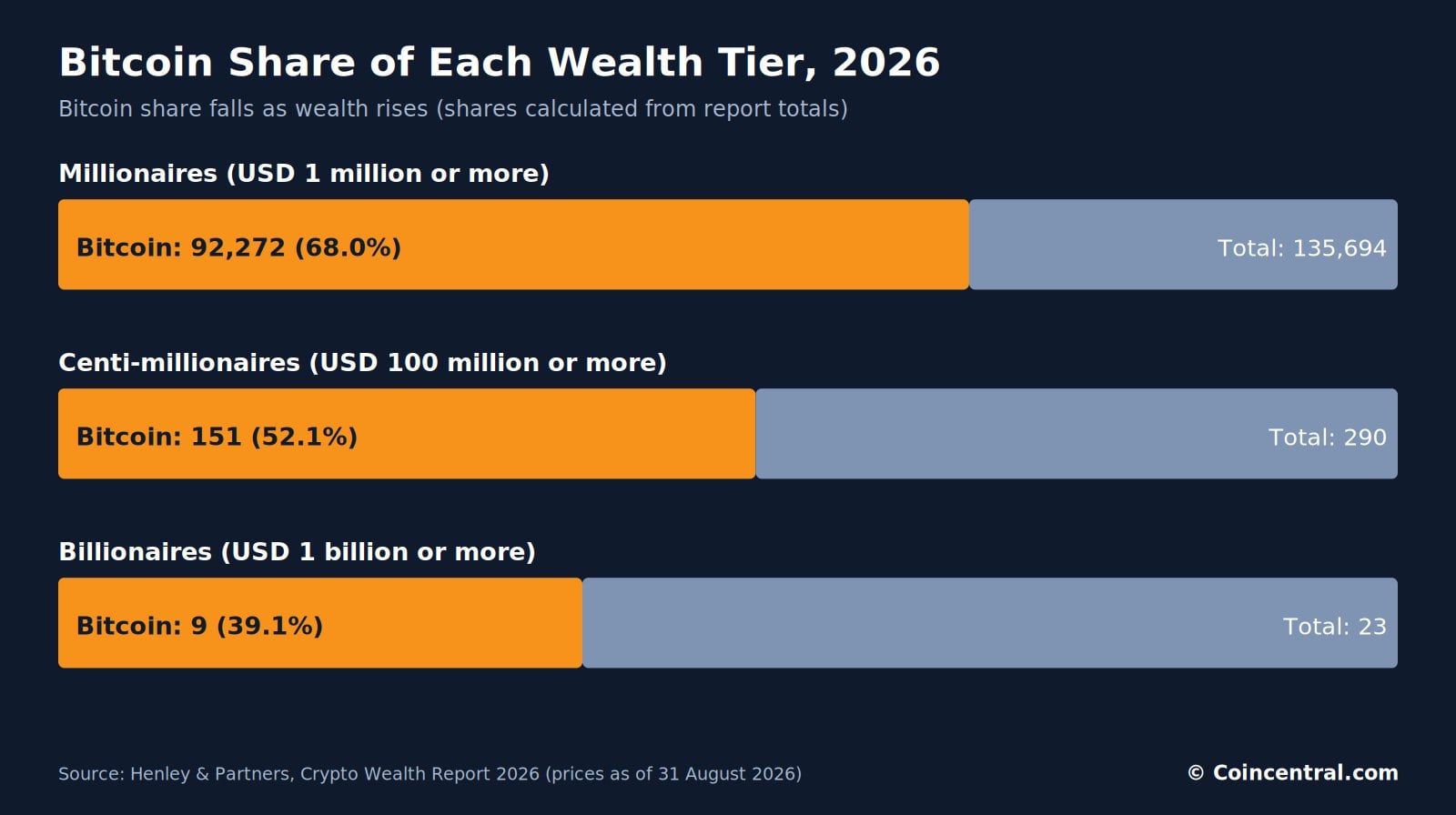
Chart 2: Share of each group that holds its wealth in bitcoin
Bitcoin’s share falls as wealth rises. About 68% of crypto millionaires are bitcoin millionaires. The share is about 52% for centi-millionaires and about 39% for billionaires.
The report does not explain this pattern in the material reviewed. It does show that the biggest fortunes are less tied to bitcoin alone than smaller ones. All three shares are calculated from the report’s totals.
Wealth tier
Total
In bitcoin
Bitcoin share
Millionaires
135,694
92,272
About 68%
Centi-millionaires
290
151
About 52%
Billionaires
23
9
About 39%
Crypto also plays a different role from other assets for wealthy people. Andrew Amoils, Head of Research at New World Wealth, said in the 2025 report that crypto and gold have become preferred alternative assets for the wealthy. He compared them to diamonds, which were once used to move money across borders because they are easy to carry.
Global Crypto Market Size in 2026
The global crypto market is worth USD 2.6 trillion, according to the 2026 report. Bitcoin makes up USD 1.6 trillion of that total, or about 62%.
The remaining USD 1.0 trillion is spread across all other digital assets. That figure is calculated by subtracting bitcoin from the total.
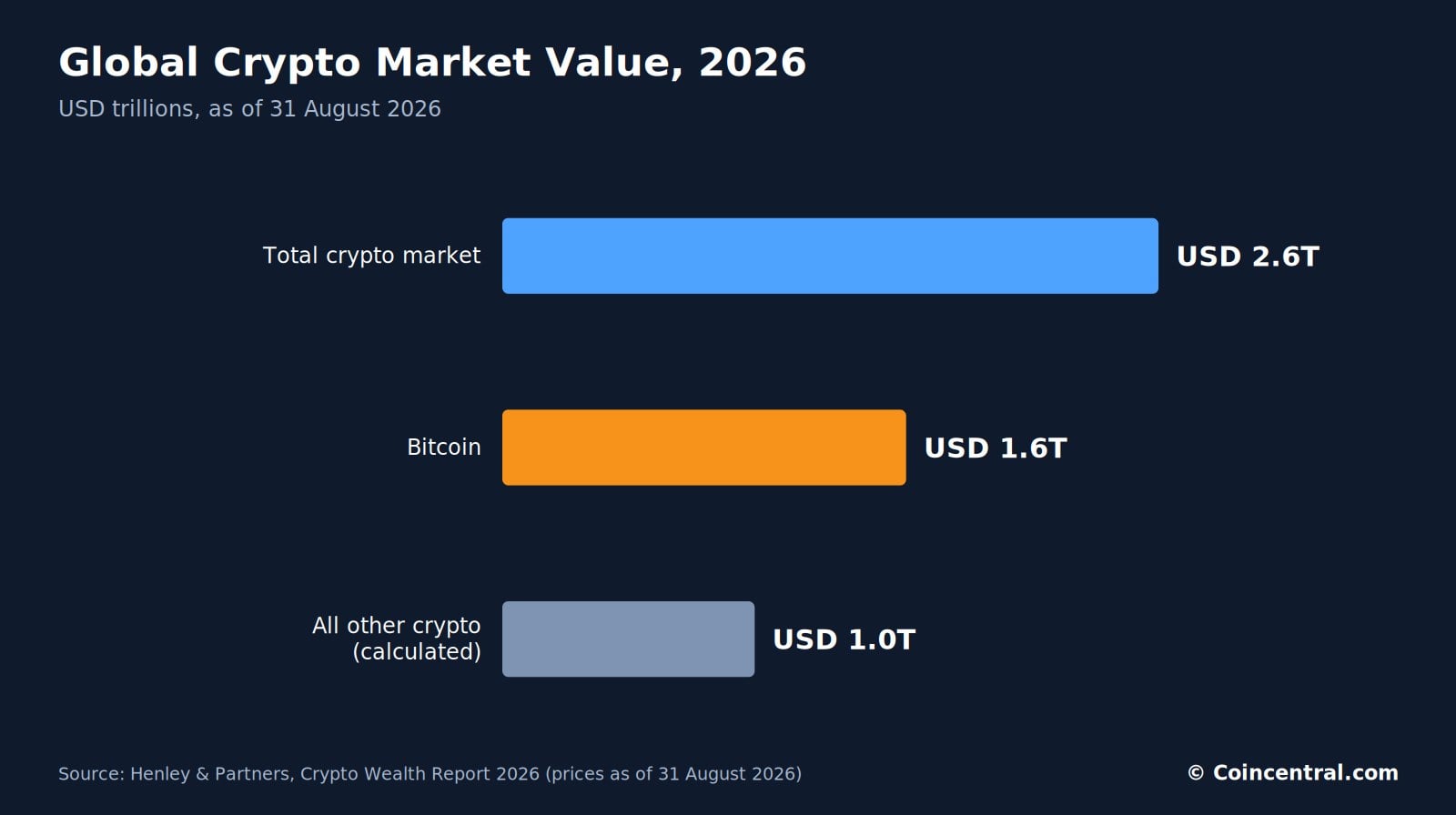
Chart 3: Market value in USD trillions as of 31 August 2026
The market was valued higher in 2025. The 2025 Henley report put total market value at USD 3.3 trillion as of June 2025. CNBC reported a total market value above USD 4.3 trillion in October 2025.
These figures come from different sources, methods and dates. They should not be read as a like-for-like comparison with the 2026 total.
Bitcoin’s price peaked in October 2025. CNBC reported that bitcoin topped USD 125,000 for the first time on a Monday in early October of that year. It then settled back to around USD 122,000.
Measure
Value
As of
Global crypto market (2026 report)
USD 2.6 trillion
31 August 2026
Bitcoin market value (2026 report)
USD 1.6 trillion
31 August 2026
All other crypto (calculated)
USD 1.0 trillion
31 August 2026
Crypto market value (2025 report)
USD 3.3 trillion
June 2025
Crypto market value (CNBC)
More than USD 4.3 trillion
October 2025
Bitcoin’s Price Fall From Its Peak
Bitcoin trades about 38% below its October 2025 peak, according to Henley & Partners. It has recovered from a mid-year slump. The report calls this the mildest of bitcoin’s major winters.
Earlier winters were deeper. The declines after the 2011, 2013, 2017 and 2021 peaks each cut the price by more than 75%. The current fall is well short of those drops.
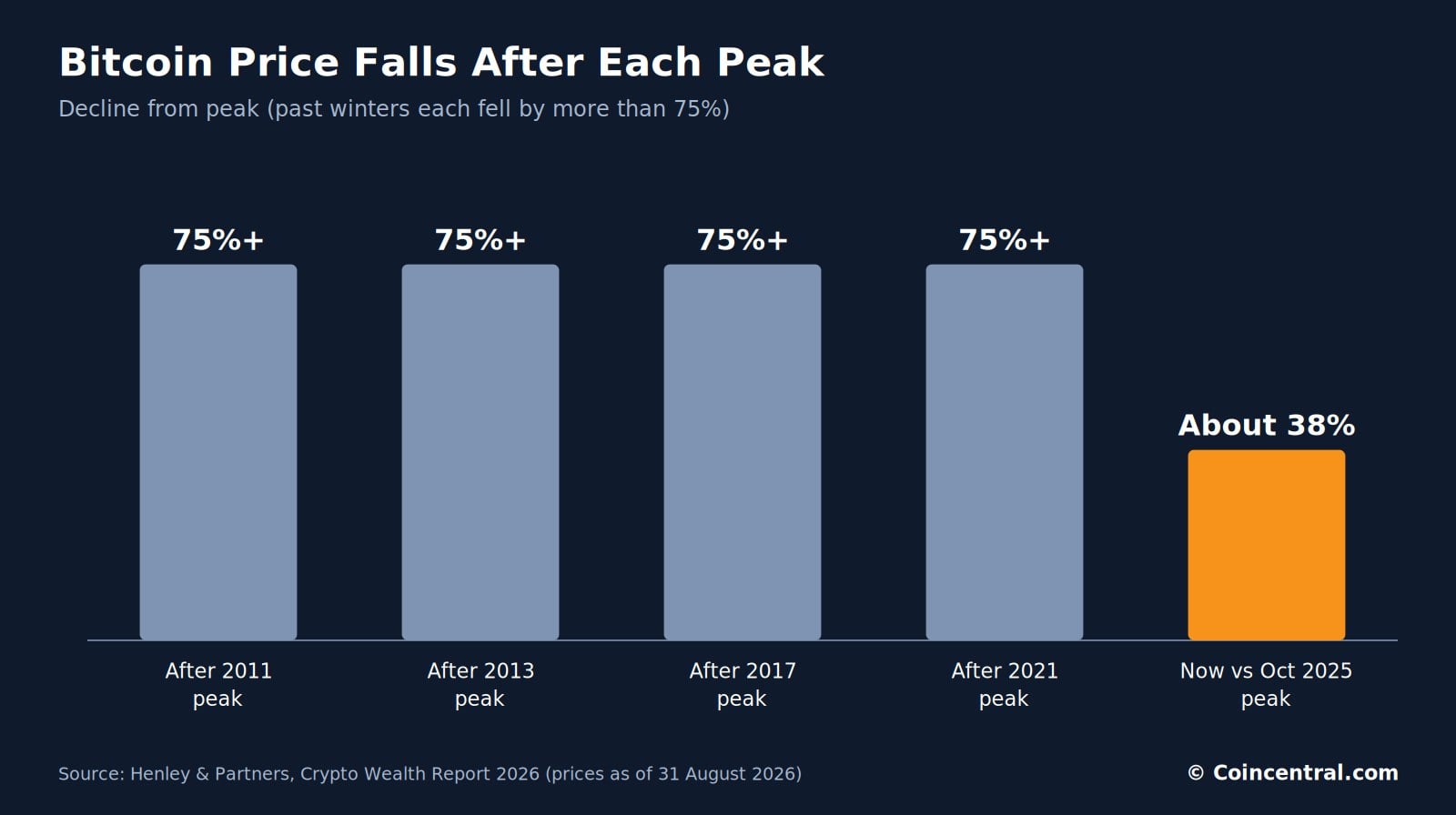
Chart 4: Decline from peak, in percent
A 38% fall still matters to holders. A person who held exactly USD 1 million in bitcoin at the peak would now hold about USD 620,000. This is a simple illustration based on the 38% figure.
The 2026 millionaire counts reflect prices after this fall. Henley & Partners says the counts use a new method, so the fall cannot be matched to a change in the number of millionaires.
Period
Price decline from peak
After the 2011 peak
More than 75%
After the 2013 peak
More than 75%
After the 2017 peak
More than 75%
After the 2021 peak
More than 75%
Current, versus October 2025 peak
About 38%
Crypto Ownership Around the World
Some 742 million individuals now hold digital assets in some amount. Of those, 371 million hold bitcoin, which is exactly half. The report says ownership kept broadening even as the market shrank.
Millionaires are a very small part of this base. The 135,694 crypto millionaires equal less than 0.02% of all holders. This share is calculated from the report’s totals.
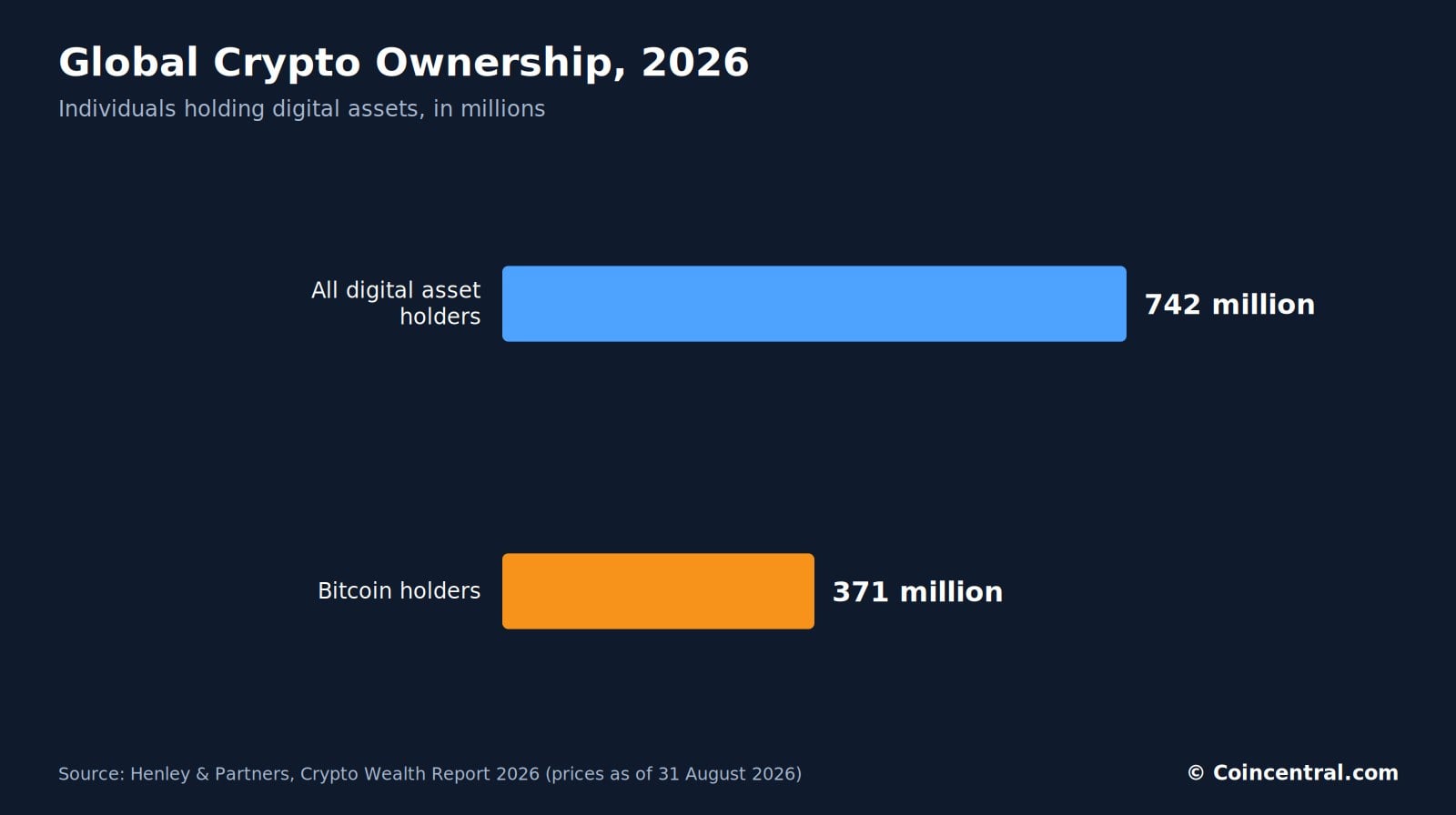
Chart 5: Individuals holding digital assets, in millions
The report says digital asset ownership skews sharply by age. Henley & Partners says its crypto-wealthy clients are younger and more mobile than the private clients it advised a decade ago. The press material did not publish the age split.
Jack Bernstein, Head of the International Tax Group at Aird & Berlis, said priorities are shifting. “For many young entrepreneurs, the focus has shifted from building wealth to preserving it,” he said.
Management styles are changing too. Valeriano Lisanti of Sestertivm said that “active management in crypto markets is no longer a niche pursuit.” Jean-Marie Mognetti, CEO of CoinShares, said advisors now ask how many different ways an allocation can earn a return.
Tomas Mico, Group Data Protection Officer at Henley & Partners, said the practical freedom depends on how coins are held. “Bitcoins held directly move with their owner and follow the owner’s tax residence,” he said.
Banks still face hurdles with this group. Wealth Briefing reports that crypto millionaires meet know-your-client checks, which banks use to confirm source of wealth. Rules differ by country, and the US has taken a more liberal approach under the Trump administration.
Group
Number
Individuals holding any digital assets
742 million
Individuals holding bitcoin
371 million
Crypto millionaires
135,694
Bitcoin millionaires
92,272
What the 2025 Report Showed
Henley & Partners released its Crypto Wealth Report 2025 on 23 September 2025. It counted 241,700 crypto millionaires, up 40% in 12 months. Bitcoin millionaires rose 70% to 145,100.
The report also counted 450 centi-millionaires, up 38%, and 36 crypto billionaires, up 29%. Total crypto market value was USD 3.3 trillion as of June 2025, a 45% rise on a year earlier.
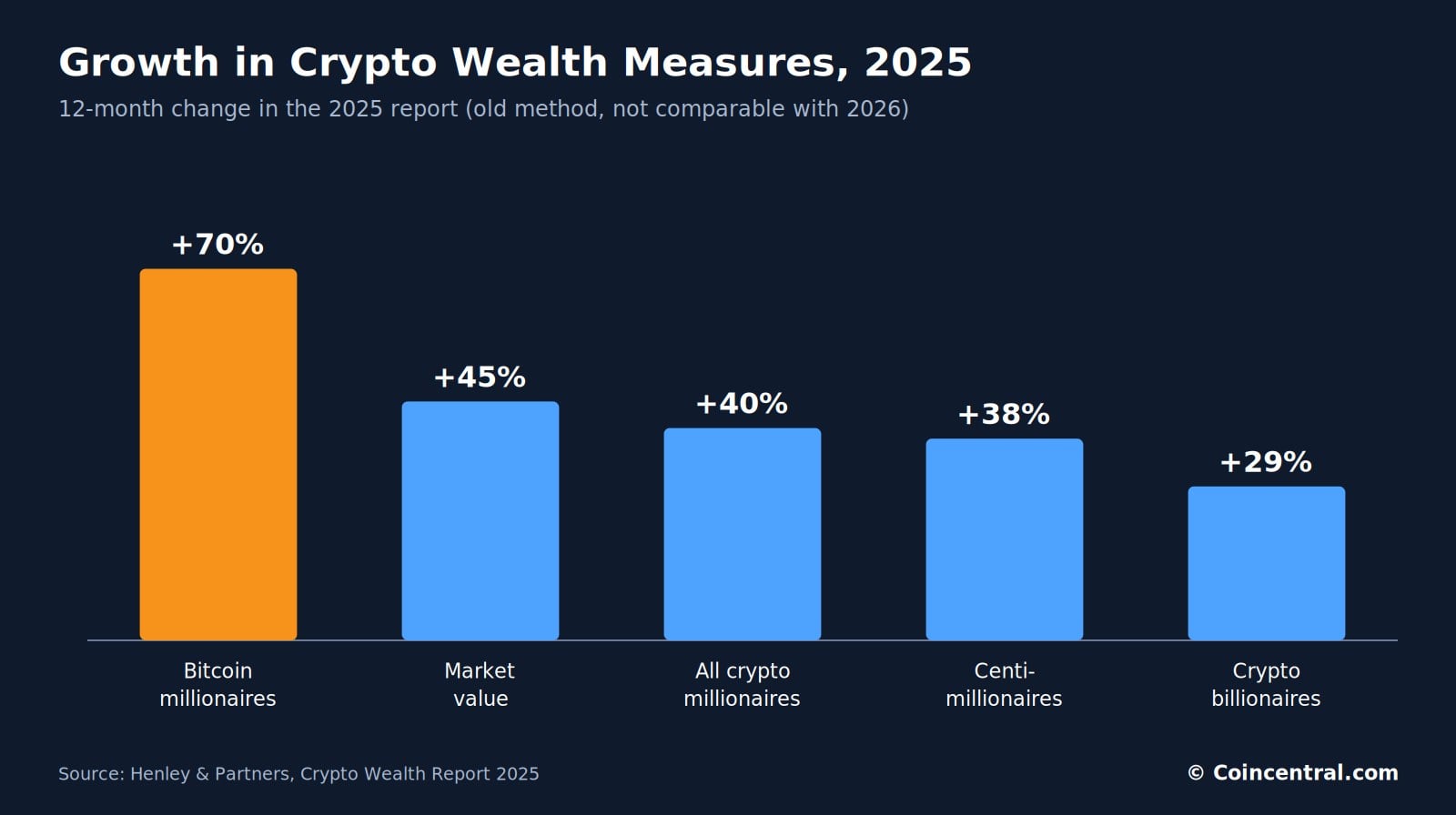
Chart 6: Change over 12 months, in percent (old method, not comparable with 2026)
These figures use the older method. The 2026 report says its numbers are not comparable with earlier editions. For that reason, the 2025 and 2026 totals should not be read as a trend.
Market conditions in 2025 were strong. The Evening Standard reported bitcoin trading at just over USD 113,000 on the report’s release date, up 21% for the year. Henley called 2025 a watershed year for institutional adoption, pointing to the first cryptocurrencies launched by a sitting US President and First Lady.
Volek also noted that roughly USD 14.4 trillion of wealth crossed national borders in 2024. He argued that crypto makes geography optional for storing wealth.
The 2025 report also described changes in how investors manage crypto. Machine learning systems were handling a growing share of institutional portfolios, and Switzerland had become a main hub for custody services.
Catherine Chen, Head of VIP and Institutional at Binance, said in that report that “this new, mobility-driven class of investors is increasingly turning to citizenship by investment programs as a strategic route to geographic and financial flexibility.”
Measure (2025 report)
2025 figure
Change in that report
Crypto millionaires
241,700
+40%
Bitcoin millionaires
145,100
+70%
Centi-millionaires
450
+38%
Crypto billionaires
36
+29%
Total market value (June 2025)
USD 3.3 trillion
+45%
How Crypto Millionaires Spend Their Money
A study covered by CNBC in October 2025 looked at how crypto gains turn into spending. The authors are professors Darren Aiello, Mark Johnson and Jason Kotter of Brigham Young University, with Scott Baker, Tetyana Balyuk and Marco Di Maggio. They tracked investors using transfers to and from crypto exchanges.
They found that investors spent about 9.7 cents for every dollar of added crypto wealth. This ratio is called the marginal propensity to spend. It was more than two times the level typically found for gains in stocks or home values.
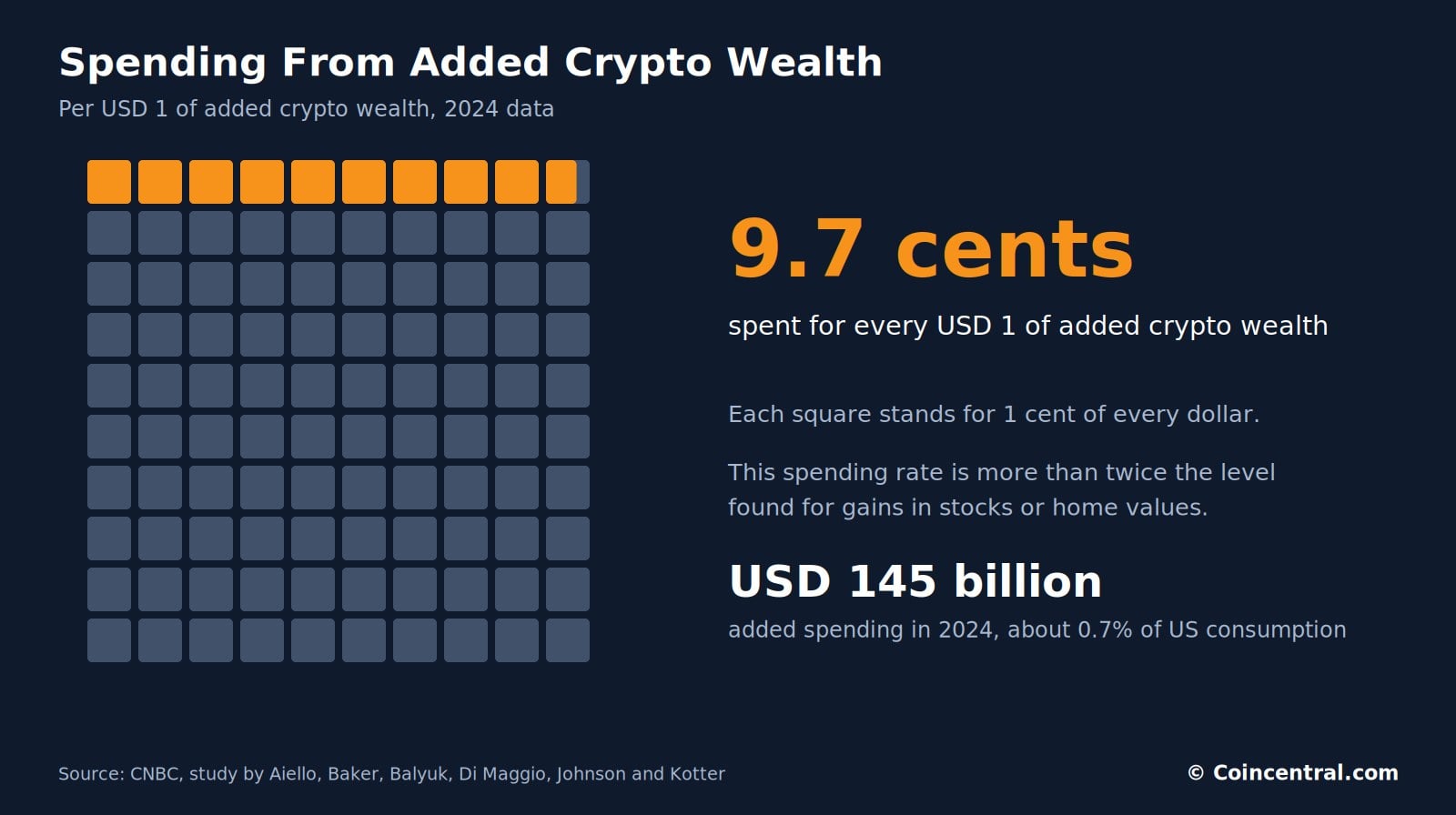
Chart 7: Marginal propensity to spend, per USD 1 of added crypto wealth
The authors estimate that crypto gains added USD 145 billion in spending in 2024. That is about 0.7% of total US consumption. The effect also works in reverse, and the authors warn that major crashes could pull spending down.
Investors fall into two broad groups. Casual investors hold a small share of their money in crypto, while “all-in” investors hold 100% in crypto. The casual group spends more of its gains, and the all-in group rarely changes its spending.
Most spending goes to restaurants, entertainment and general merchandise. Buyers of Lamborghinis and Rolexes appear to be the exception. An earlier study by the group found that home prices rose 0.46% faster in counties with many crypto holders when bitcoin spiked.
Many wealthy holders are not selling. Tad Smith, a partner at 50T Funds and former CEO of Sotheby’s, said, “They want to be fully invested because this is the moment they’ve been waiting for.” He expects spending to shift toward real estate as holders age and start families.
Borrowing could change spending too. Zac Prince of GalaxyOne said many crypto-rich buyers cannot get approved for mortgages. CNBC reported that Bill Pulte of the Federal Housing Finance Agency directed Fannie Mae and Freddie Mac to consider crypto assets in mortgage underwriting.
Finding
Figure
Spending per USD 1 of added crypto wealth
9.7 cents
Added US spending in 2024
USD 145 billion
Share of total US consumption
About 0.7%
Faster home price growth in crypto-heavy counties
0.46%
The Henley Crypto Adoption Index 2026
The Henley Crypto Adoption Index ranks countries with residence or citizenship pathways on how they embrace and regulate crypto. The 2026 edition covers 36 countries and more than 900 data points. The 2025 edition covered 29 programs and more than 750 data points.
Countries are scored on six parameters. They are Public Adoption, Infrastructure Adoption, Innovation and Technology, Regulatory Environment, Economic Factors and Tax-Friendliness. In the 2025 edition, the top five were Singapore, Hong Kong, the USA, Switzerland and the UAE.
Singapore leads for the fourth year in a row and holds the highest Innovation and Technology score. The UAE is second, up from fifth. It scores 10 out of 10 for Tax-Friendliness, with no tax on crypto trading, staking or mining.
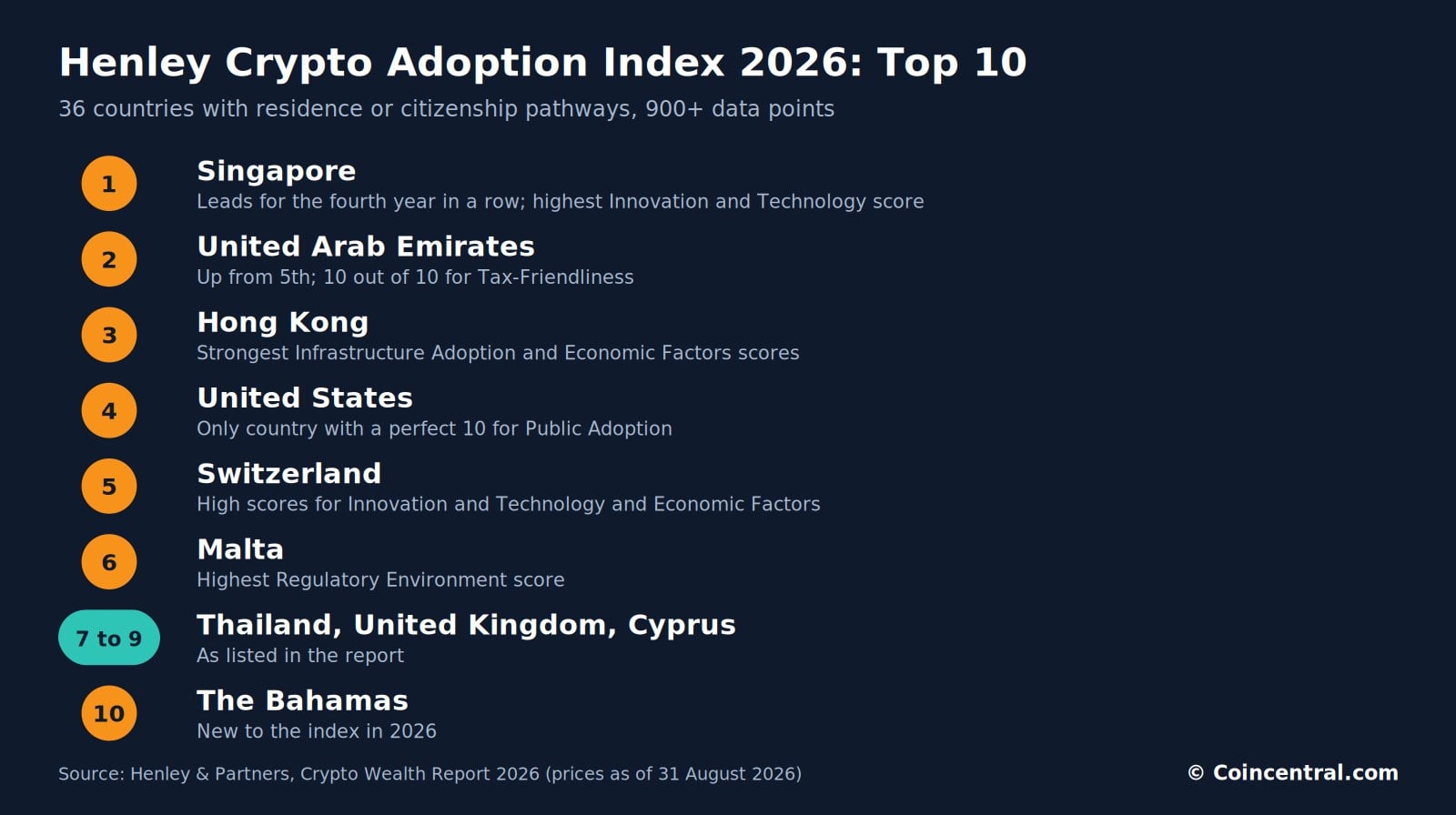
Chart 8: Ranking of crypto-friendly countries with residence or citizenship pathways
Hong Kong is third, with the strongest Infrastructure Adoption and Economic Factors scores. The United States is fourth and is the only country with a perfect 10 for Public Adoption. Switzerland is fifth.
Malta ranks sixth and has the highest Regulatory Environment score. Thailand, the UK, Cyprus and The Bahamas take the other top 10 places. The Bahamas is tenth.
New entries to the 2026 index include The Bahamas (10th), Cayman Islands (12th), Bahrain (13th), Argentina (26th), Maldives (31st) and Paraguay (35th). The report also names Naoero, which ranks 32nd, as a new entrant.
Rank
Country
Standout result
1
Singapore
Highest Innovation and Technology score
2
United Arab Emirates
10 out of 10 for Tax-Friendliness
3
Hong Kong
Strongest Infrastructure Adoption and Economic Factors
4
United States
Perfect 10 for Public Adoption
5
Switzerland
High Innovation and Technology and Economic Factors
6
Malta
Highest Regulatory Environment score
19
Italy
Flat-tax regime for qualifying new residents
23
Portugal
Exempts gains on assets held over one year
Stablecoins, CBDCs and New Reporting Rules
Rules for crypto are spreading fast. Seventy-six jurisdictions have signed up to the OECD’s reporting framework for crypto assets. The first exchanges of information between 46 of them are due in September 2027.
In Europe, the Markets in Crypto-Assets Regulation took full effect in December 2024. Niklas Schmidt of Wolf Theiss notes that Europe now has a unified crypto rulebook spanning 30 countries. He asks whether that certainty will attract crypto capital or hold back innovation.
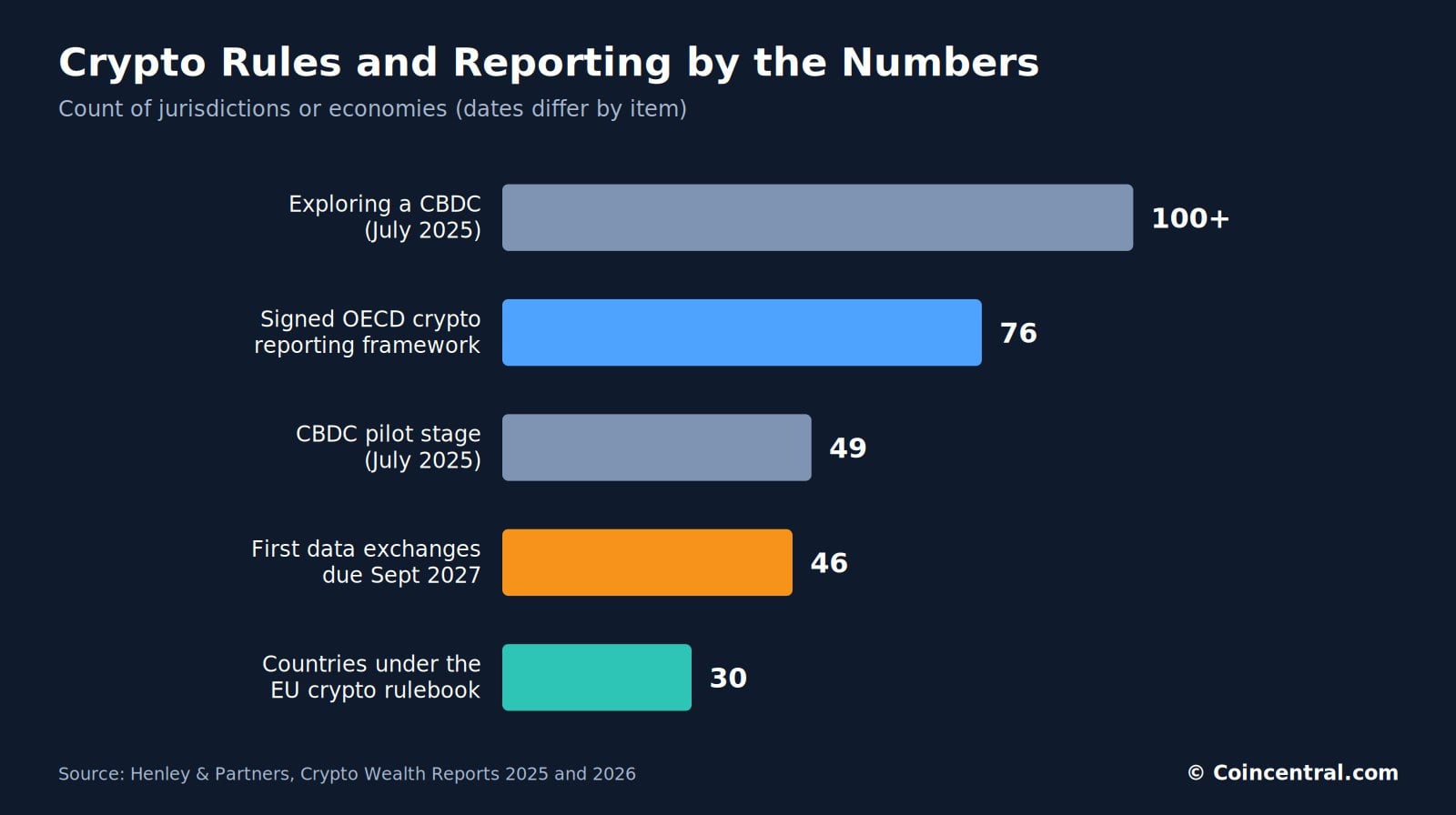
Chart 9: Count of jurisdictions or economies
Central bank digital currencies are also under study. In the 2025 report, Dr. Guneet Kaur said more than 100 economies were exploring them, with 49 in the pilot stage as of July 2025.
Stablecoins are drawing rules as well. Bahrain became the first Gulf state to set a dedicated stablecoin framework in 2025, and Hong Kong has adopted stablecoin rules. In April 2025, the US Securities and Exchange Commission said some stablecoins would not fall under federal securities rules.
The US CLARITY Act is still moving through Congress, according to Wealth Briefing. It would give the Commodity Futures Trading Commission authority over spot markets for digital commodities. It would also ban the Federal Reserve from issuing a central bank digital currency.
Kaur said stablecoin rails let dollars move between financial centers “inside minutes rather than days.”
Even so, due diligence remains hard. Daniel Hartnett of LSEG Risk Intelligence said, “A wallet can show that value exists. It cannot tell the whole story of the person behind it.”
Item
Number
Date or note
Jurisdictions in OECD crypto reporting framework
76
2026 report
Jurisdictions due to exchange data first
46
September 2027
Countries under the EU crypto rulebook
30
MiCAR in force since December 2024
Economies exploring a CBDC
More than 100
July 2025
Economies at CBDC pilot stage
49
July 2025
Where Crypto Wealth Is Moving
Henley & Partners also publishes a Global Wealth Mobility Framework. It measures investor access, quality of life, rule of law and tax competitiveness. The UAE scored 85.3 out of 100, followed by Singapore at 79.5, New Zealand at 75.8, the Cayman Islands at 74.3 and Cyprus at 73.5.
Countries compete on rules and tax. Dubai set up the world’s first standalone regulator for virtual assets in 2022. Singapore licenses digital asset services through its Monetary Authority and charges no capital gains tax on individual investors.
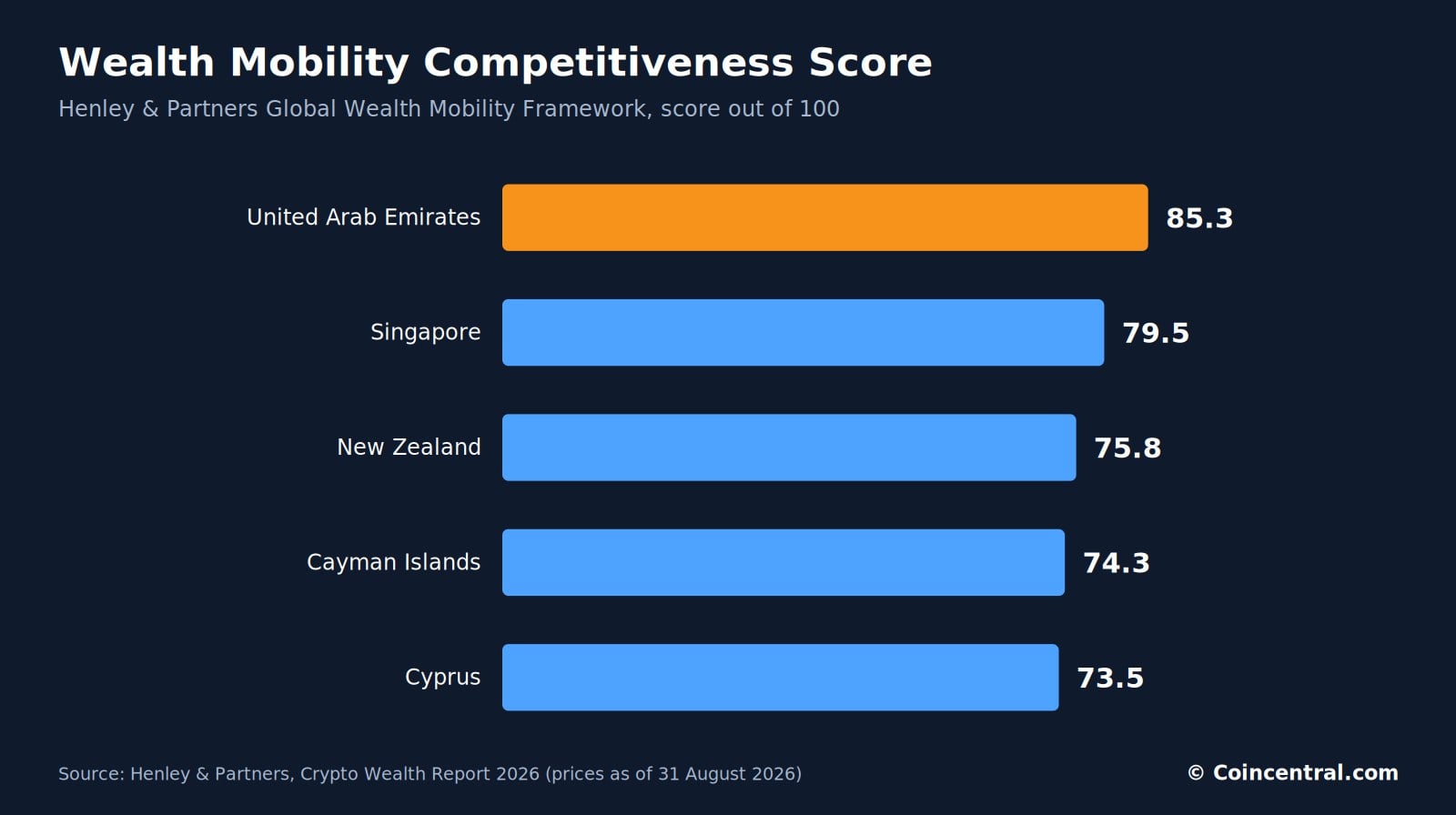
Chart 10: Score out of 100
Switzerland hosts the blockchain cluster in Zug and exempts private capital gains. Portugal exempts gains on digital assets held more than a year. Italy offers a flat tax for qualifying new residents, and the annual charge on foreign income has risen twice in two years, to EUR 300,000.
In the Caribbean, Antigua and Barbuda recognizes documented digital assets when applicants show their source of funds. St. Kitts and Nevis accepts digital assets as a partial source of wealth for applicants.
Investors are treating location as part of their plans. António Henriques of Bison Bank said jurisdictions are becoming part of asset allocation. Guenther Dobrauz-Saldapenna of Henley & Partners Switzerland said that when wealth is highly mobile, planning around the person who owns it becomes critical.
The 2026 statistics show a market that shrank in value while ownership grew. They count 135,694 crypto millionaires, 290 centi-millionaires and 23 billionaires on a new method. Reporting rules, price swings and national tax policy will shape how those numbers change next.
Country
Wealth Mobility Competitiveness Score
United Arab Emirates
85.3
Singapore
79.5
New Zealand
75.8
Cayman Islands
74.3
Cyprus
73.5
Sources
The post Crypto Millionaire Statistics 2026: How Many People Hold $1 Million or More appeared first on Blockonomi.
