Senate Returns to a Defining Crypto Vote US senators are back in Washington this week, and the Digital Asset Market CLARITY Act is near the top of the agenda. The Senate Banking Committee vot
Senate Returns to a Defining Crypto Vote
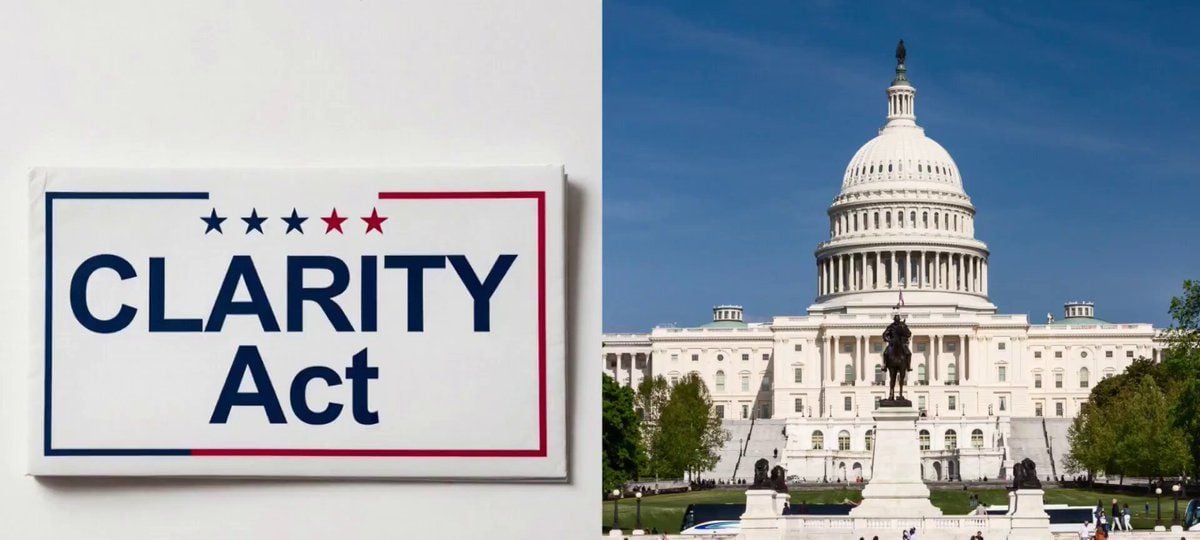
US senators are back in Washington this week, and the Digital Asset Market CLARITY Act is near the top of the agenda. The Senate Banking Committee voted 15-9 in May to advance the bill, which would create a regulatory framework for cryptocurrencies and other digital assets. The full Senate floor vote is the next hurdle, and it is one that carries real consequences for the shape of crypto regulation in the United States.
The CLARITY Act would grant the CFTC exclusive jurisdiction over digital commodity spot markets, while maintaining SEC jurisdiction over investment contract assets. In practice, that means the bill draws the clearest regulatory boundary yet between which digital assets are treated as commodities and which fall under securities law. It also creates a tailored disclosure regime that allows responsible digital asset projects to raise capital while protecting investors and preventing market manipulation.
Stablecoins and Ethics Remain the Fault Lines
Despite the committee's progress, the bill still faces significant opposition on the floor. Both Republicans and Democrats have committed to continue working through areas of disagreement, including how best to ensure bad actors using digital assets can be caught and ethics language to address the issue of elected officials profiting from crypto.
The stablecoin yield debate has been one of the most contentious points. The American Bankers Association and others have urged senators to use the CLARITY Act to close a loophole that allows digital asset service providers like exchanges to bypass the GENIUS Act's ban on paying interest or yield on payment stablecoins.Without the necessary guardrails, stablecoin offerings are expected to draw away bank deposits and threaten local lending and economic activity across the country.
On ethics, the fault lines are just as sharp. The issue has its roots in President Donald Trump's wide-ranging crypto interests, and Democrats have said they will not allow the bill to move without an ethics provision addressing government officials profiting from digital assets. White House officials, meanwhile, have pushed back against any language that singles out a particular officeholder.
The political clock is also ticking. Any Senate floor vote needs to happen before August 2026, when campaigning begins in earnest and the Senate's calendar effectively closes for controversial votes.Given that two markup processes still need to be completed and the stablecoin yield dispute has not been resolved, that timeline is tight.
Industry groups remain vocal. The Blockchain Association called the committee vote a defining moment for American leadership, adding that durable digital asset policy must be built on a bipartisan foundation. Critics, however, including Senator Elizabeth Warren, have argued the bill "was written by the crypto industry for the crypto industry."
Sources:ABA Banking Journal: Senate Banking Committee advances CLARITY ActCNBC: Crypto industry scores win as CLARITY Act clears Senate hurdleCoinDesk: Senate Banking Committee advances CLARITY Act to full Senate floor