CryptoQuant data shows BTC exchange inflows reached 114,000, a level that raises sell-side pressure concerns, while simultaneous stablecoin outflows from exchanges point to weakening buying p
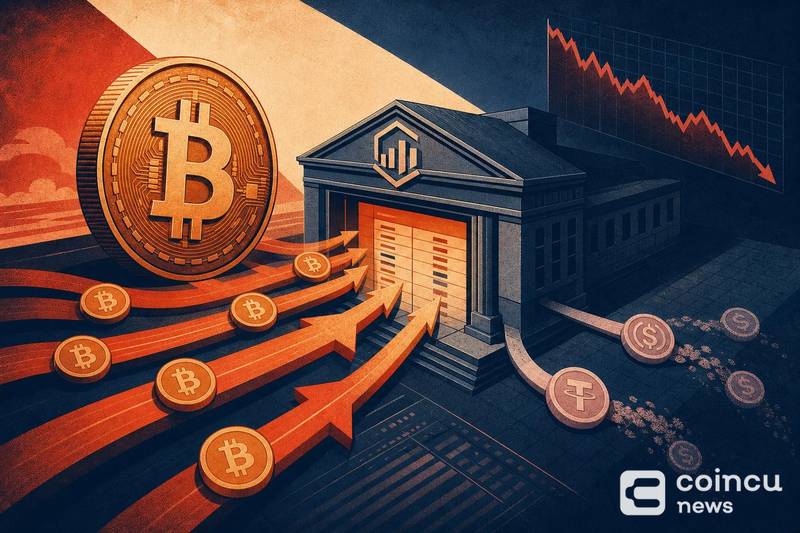
CryptoQuant data shows BTC exchange inflows reached 114,000, a level that raises sell-side pressure concerns, while simultaneous stablecoin outflows from exchanges point to weakening buying power in the spot market.
The data, highlighted by CryptoQuant analyst Axel Adler Jr. on X, pairs two on-chain signals that together paint a cautious picture for Bitcoin's near-term price action.
Exchange inflows measure the amount of Bitcoin transferred from private wallets to exchange wallets. When large volumes move onto exchanges, it typically signals that holders are positioning to sell, increasing available supply on order books.
The 114,000 BTC exchange inflow reading flagged by CryptoQuant represents a notable spike in coins arriving at trading venues. A figure of this size raises the probability of increased sell-side activity, though inflows alone do not guarantee immediate price declines.
Why Inflows Do Not Always Lead to Selling
Not every coin sent to an exchange is sold. Some transfers reflect internal wallet management, collateral repositioning for derivatives, or custody migrations. The signal becomes more meaningful when paired with other indicators, which is where stablecoin flows enter the equation.
How Stablecoin Outflows Reduce Available Buying Power
Stablecoins like USDT and USDC serve as the primary dry powder for spot Bitcoin purchases on exchanges. When stablecoins flow into exchanges, they represent fresh capital ready to buy. When they flow out, that buying capacity shrinks.
The combination Adler highlighted is specifically concerning because it shows supply arriving (BTC inflows) while demand capital is leaving (stablecoin outflows). This creates a supply-demand imbalance that can weigh on price if it persists.
The Liquidity Gap
With fewer stablecoins sitting on exchange order books, any sell pressure from the incoming BTC faces thinner buy-side liquidity. In practice, this can amplify downward price moves, as sell orders eat through a shallower pool of bids. Similar dynamics have previously contributed to sharp drawdowns, not unlike the conditions that can trigger cascading liquidations in leveraged positions.
What Both Signals Together Suggest for Bitcoin
Taken individually, neither BTC exchange inflows nor stablecoin outflows are definitive bearish signals. Combined, they describe a market where potential selling pressure is rising while the capital available to absorb that pressure is declining.
Downside Scenario
If the 114,000 BTC that arrived on exchanges converts into actual sell orders and stablecoin reserves on exchanges continue to decline, Bitcoin could face a period of sustained downward pressure. The severity would depend on the pace of selling and whether new stablecoin deposits arrive to offset the outflows.
Neutralization Scenario
The bearish thesis weakens if BTC inflows slow in the coming days and stablecoin balances stabilize or reverse. Exchange inflow spikes can be one-time events tied to a single large entity repositioning rather than a broad market trend.
Invalidation
A rapid return of stablecoin deposits to exchanges, combined with BTC outflows (coins leaving exchanges for cold storage), would effectively invalidate the bearish signal. This pattern would suggest holders chose not to sell and fresh capital is re-entering.
What Traders Should Monitor Next
The CryptoQuant data provides a snapshot, not a forecast. The follow-through in both metrics over the next several days will determine whether this signal carries weight or fades.
Confirmation Signals
Sustained elevated BTC inflows over multiple days, rather than a single spike, would strengthen the bearish case. A continued decline in exchange stablecoin reserves would reinforce the demand weakness thesis.
Reversal Signals
A sharp increase in stablecoin deposits to exchanges would suggest new buying interest is arriving. BTC exchange outflows rising above inflows would indicate accumulation rather than distribution, a pattern that has historically preceded price recoveries in the broader digital asset market.
Supporting Indicators
Funding rates on perpetual futures, open interest changes, and spot volume trends can all provide additional context. If funding rates turn sharply negative while exchange inflows remain elevated, the bearish pressure signal gains further credibility.
FAQ
Are Bitcoin exchange inflows always bearish?
No. Exchange inflows indicate coins are moving to trading venues, but the intent can vary. Some transfers reflect internal exchange operations, collateral movements, or custody changes rather than intent to sell. The signal is stronger when combined with other bearish indicators such as declining stablecoin reserves.
How do stablecoin outflows affect Bitcoin demand?
Stablecoins on exchanges represent readily deployable buying power. When they flow out, there is less capital immediately available to place buy orders for Bitcoin and other cryptocurrencies. This can reduce the market's ability to absorb sell pressure, potentially leading to sharper price declines during periods of elevated selling.
Do these signals matter more for short-term or long-term Bitcoin price action?
Exchange flow data is primarily a short-term indicator. Inflow and outflow patterns can shift within days as market participants reposition. Long-term Bitcoin price trajectories are typically driven by broader factors such as institutional adoption, macroeconomic conditions, and supply schedule dynamics like halvings.
Additional source references: source document 1.
Disclaimer: This article is for informational purposes only and does not constitute financial or investment advice. Cryptocurrency and digital asset markets carry significant risk. Always do your own research before making decisions.
The post CryptoQuant: BTC Exchange Inflows Hit 114,000 as Stablecoin Outflows Weaken Buying Pressure was initially published on Coincu.