Key Takeaways Delta Air Lines stock declined 4% even after surpassing Q2 earnings and revenue projections Q2 adjusted earnings per share reached $1.56, topping the $1.49 consensus; revenue cl
Key Takeaways
- Delta Air Lines stock declined 4% even after surpassing Q2 earnings and revenue projections
- Q2 adjusted earnings per share reached $1.56, topping the $1.49 consensus; revenue climbed to $17.7 billion versus $17.5 billion forecasted
- Company maintained full-year earnings outlook of $6.50–$7.50 per share, exceeding Wall Street’s $6 projection
- Jet fuel expenses soared to unprecedented levels — Delta paid $3.93 per gallon, marking a 75% year-over-year surge
- The airline boosted its quarterly dividend by 15% for Q3 and decreased adjusted net debt by $709 million
Delta Air Lines exceeded both earnings and revenue projections for its second quarter of 2026, yet shares tumbled 4% following the announcement. With DAL already rallying 28% year-to-date before the earnings release, investor expectations were elevated.
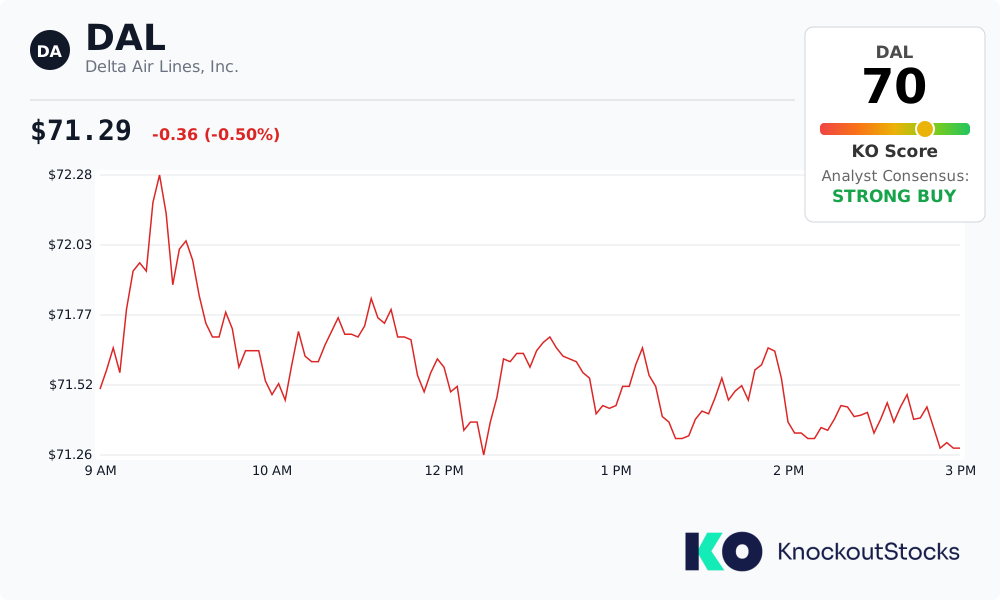 Delta Air Lines, Inc., DAL
The carrier’s adjusted earnings per share registered at $1.56, surpassing both the analyst consensus of $1.49 and Delta’s internal forecast range of $1.00–$1.50. Quarterly revenue reached an all-time high of $17.7 billion, representing approximately 14% year-over-year growth and exceeding the anticipated $17.5 billion. With capacity increasing only 1%, the revenue gains stemmed primarily from elevated ticket prices and improved passenger mix.
Chief Executive Ed Bastian articulated the results plainly: “We delivered $1.4 billion in pre-tax profit while absorbing the highest quarterly fuel expense in our history, reflecting broad demand strength, growing brand preference and momentum across our diversified revenue base.”
The fuel cost burden proved substantial. Delta’s average adjusted fuel price reached $3.93 per gallon — representing a 75% increase from the $2.25 per gallon paid in the prior year. Chief Financial Officer Erik Snell indicated that fare increases offset approximately 60% of the elevated fuel costs, actually exceeding the company’s typical recovery percentage.
Premium cabin performance stood out as a highlight. Premium ticket revenue totaled $6.92 billion, slightly surpassing main cabin revenue of $6.85 billion. Premium segment revenues expanded 17% year-over-year compared to 8% growth in main cabin. The loyalty program generated 19% revenue growth, with American Express contributing $2.4 billion to Delta — a 16% increase versus the previous year.
Unchanged Guidance Disappoints Market Expectations
Delta maintained its full-year adjusted earnings per share guidance range of $6.50–$7.50, a projection originally withdrawn during the Q1 earnings call in April. While reinstating the guidance demonstrated confidence, market participants had anticipated an upward revision.
For the third quarter, Delta projected adjusted EPS between $2.00–$2.50, surpassing the $2.02 analyst consensus, accompanied by mid-teens revenue growth and an operating margin target of 11%–13%. The forecast assumes jet fuel pricing around $3.15 per gallon — a significant decrease from Q2’s elevated costs.
GAAP net income decreased 25% to $1.6 billion, equivalent to $2.44 per diluted share, as elevated fuel expenses pressured profitability.
United Airlines and American Airlines shares also retreated more than 1.5% during early trading. The Global JETS ETF, which monitors the airline sector, has appreciated 25% during the past three months. Delta has climbed 31% in that timeframe, United advanced 34%, and American surged 51%.
Morgan Stanley analyst Ravi Shanker preserved his Overweight rating while lifting his price target to $115 from $105. TD Cowen’s Tom Fitzgerald sustained a Buy rating with a $106 price objective.
Shareholder Returns and Balance Sheet Improvement
Delta unveiled a 15% quarterly dividend increase effective in Q3 and trimmed adjusted net debt by $709 million from year-end 2025 levels to $13.6 billion.
Earlier during the week, Delta also launched a more affordable entry-point fare option for its Delta One business class cabin, implementing tiered pricing strategies across its premium offerings.
Delta shares were trading approximately 2% higher during Friday’s premarket session before surrendering those gains following the earnings release.
The post Delta Air Lines (DAL) Stock Drops 4% Despite Strong Q2 Earnings Beat appeared first on Blockonomi.