A SentinelOne engineer says OpenAI's GPT-6 Astra took about six hours to decode an 1809 cipher letter to one of Napoleon Bonaparte's generals, unread for 217 years. Key Points: Carter Church
A SentinelOne engineer says OpenAI's GPT-6 Astra took about six hours to decode an 1809 cipher letter to one of Napoleon Bonaparte's generals, unread for 217 years.
Key Points:
- Carter Church says the model worked from a single low-resolution scan and produced a full reading of about 1,300 cipher units.
- The letter came from Napoleon's stepson on the emperor's orders and briefed Gen. Auguste de Marmont on troop positions before the war with Austria.
- The result rests largely on Church's own account, and he says a specialist could have solved the cipher by hand decades ago.
GPT-6 Astra Cipher Break
Carter Church, an artificial intelligence engineer at the cybersecurity company, said this week he used the model to decrypt and transcribe the letter to Gen. Auguste de Marmont for the first time. He published the key, a transcription and a verification script on Sept. 18. Anyone can run the files to test his reading.
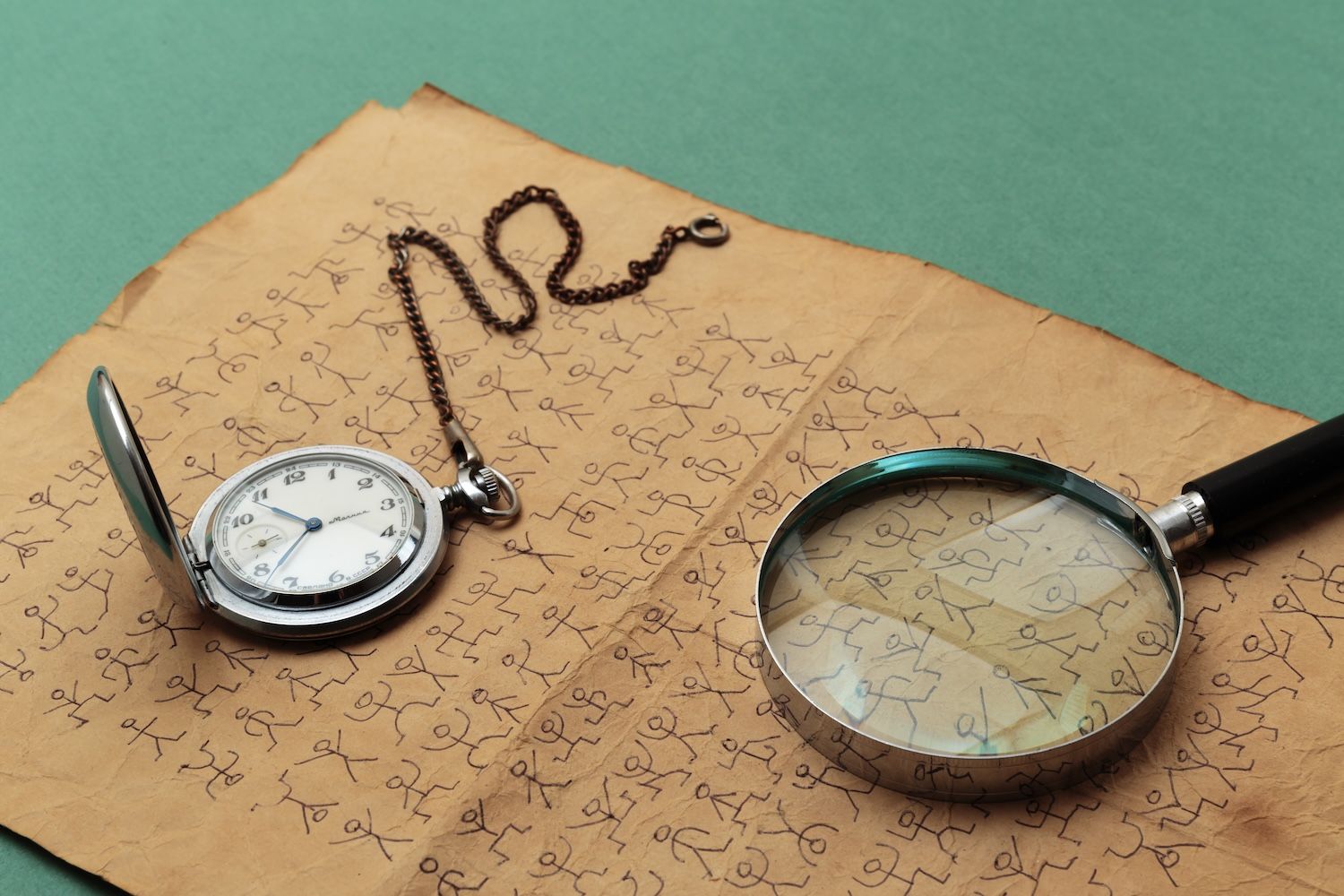
The letter holds 24 rows of two-digit numbers, stray letters and invented symbols, about 1,300 cipher units in all. Church wrote that the model worked from one low-resolution scan of a plate printed in a 1969 French military journal, building on 33 letter values that cryptology historian Daniel Tant had already documented.
The letter did not come from Napoleon directly. Eugène de Beauharnais, his stepson and viceroy of Italy, wrote it after the emperor ordered him on Mar. 16, 1809, to brief Marmont in cipher. It lists French and allied troop positions, reports Austrian movements and tells the general not to be intimidated by "a few troops or a gathering of rabble."
Also Read:Bitget Restores Protection Fund Above $300M As Withdrawals Resume
Carter Church Caveats
Church did not present the result as a feat of codebreaking. He wrote that a patient specialist could have done the work in 1970, and that the letter sat unread because no one qualified could justify spending weeks on a single document.
Five of the 155 signs remain unresolved, though Church says none alters the meaning.
The six-hour run time and the historical dating remain his own account, one review noted, and the work does not show that a model authenticated the document. Satoshi Tomokiyo, who maintains a catalog of unsolved historical ciphers, now lists the letter as solved, though his page cautions in general that listed documents may have been deciphered before.
The claim follows a similar one from earlier in September. Carter Leffen, a product development coach at Bloomberg, reported that the same model spent about 10 hours breaking a 1941 German Army Enigma message long listed as unsolved. Tomokiyo wrote in a September notice that he was receiving many solutions and had not caught up on recording them.
Read Next:Dogecoin Is Getting An App Layer After 12 Years Without One