BitcoinWorld Diesel’s Record $100 Warning: The Oil Shock Hiding in Plain Sight Diesel prices are flashing a warning signal that could reshape the global energy landscape: the benchmark price
BitcoinWorld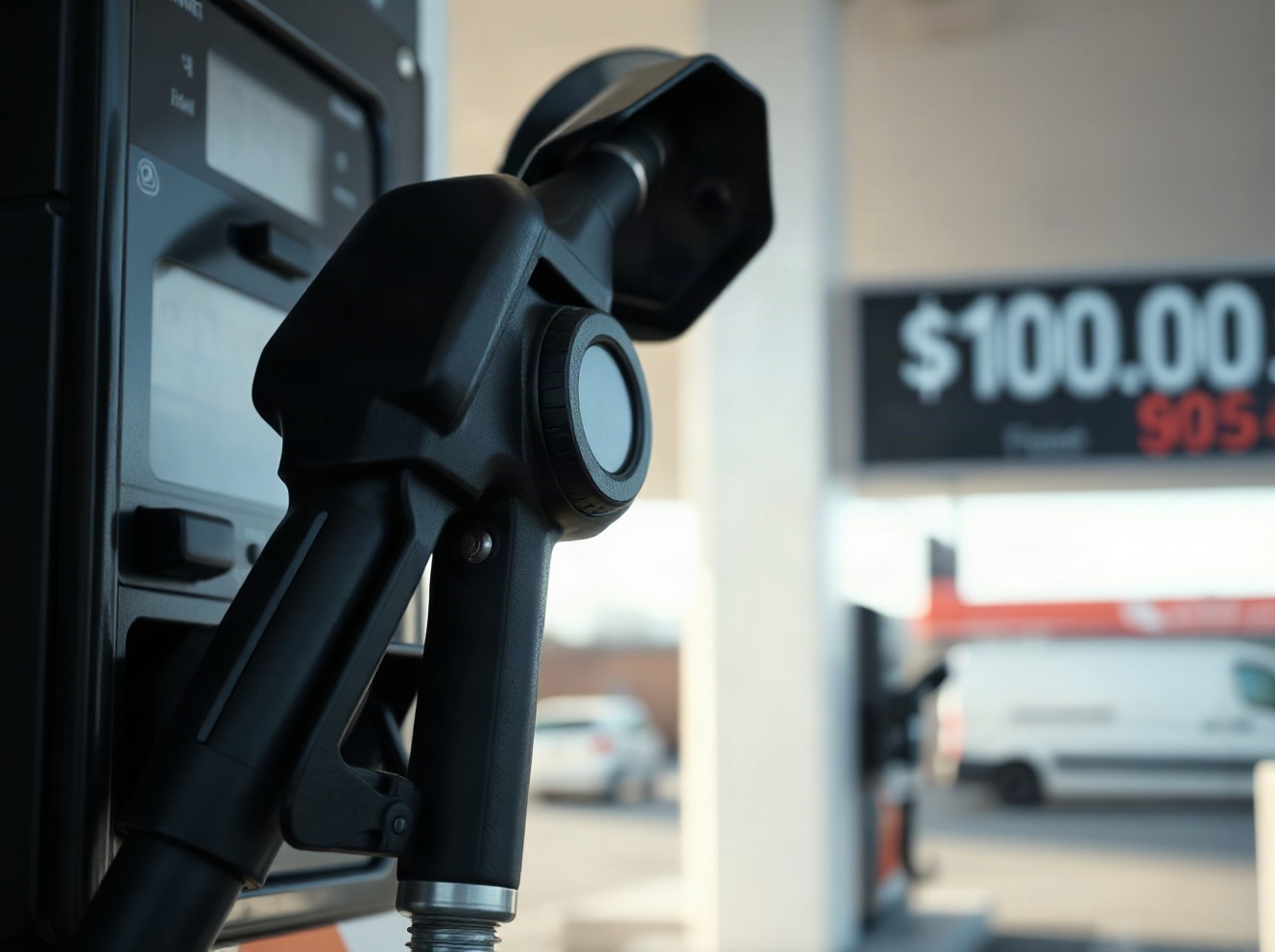 Diesel’s Record $100 Warning: The Oil Shock Hiding in Plain Sight
Diesel prices are flashing a warning signal that could reshape the global energy landscape: the benchmark price for diesel is approaching a record $100 per barrel, a level that threatens to reignite inflation and strain economies worldwide. As of mid-2025, diesel futures have surged to their highest point in months, driven by a confluence of supply constraints, geopolitical tensions, and refining bottlenecks. This isn’t just a number on a screen—it’s a leading indicator of broader economic stress, affecting everything from trucking costs to the price of goods on store shelves.
Why Diesel Prices Are Soaring
The current rally in diesel prices is not a sudden spike but the result of sustained pressure on global refining capacity. Several factors are converging to push diesel costs higher. First, refinery closures in Europe and the United States, accelerated by the energy transition, have reduced the supply of middle distillates like diesel. Second, OPEC+ production cuts have limited crude oil supply, while diesel demand remains resilient in key sectors such as freight, agriculture, and construction. Third, geopolitical disruptions—including attacks on shipping routes in the Red Sea and sanctions on Russian fuel exports—have rerouted trade flows, adding to logistics costs and tightening inventories.
According to the International Energy Agency (IEA), global diesel inventories have fallen to their lowest levels in over a decade, with days of forward cover shrinking significantly. The IEA’s latest monthly report highlights that refining margins for diesel have widened to near-record levels, reflecting the acute shortage. As of June 2025, the average retail diesel price in the United States stands at $4.85 per gallon, up 12% from the same period last year, while in Europe, prices exceed €1.80 per liter in many countries.
Implications for Consumers and the Economy
Diesel is the lifeblood of the global economy—it powers the trucks that deliver goods, the tractors that harvest crops, and the generators that keep hospitals running. When diesel prices rise, the cost of nearly every product increases, as transportation costs are passed down the supply chain. Economists warn that a sustained move above $100 per barrel could add 0.5 to 1 percentage point to global inflation, complicating central banks’ efforts to tame price pressures.
For consumers, the impact is immediate: higher fuel costs at the pump, increased food prices, and more expensive shipping for online orders. For businesses, particularly those in logistics and agriculture, the squeeze on margins is severe. In the United States, the American Trucking Associations has warned that without relief, small carriers may face bankruptcy, potentially disrupting supply chains.
What’s Driving the Supply Crunch?
Beyond refinery closures, the supply crunch is exacerbated by underinvestment in new refining capacity. For years, the focus on renewable energy has led to a slowdown in fossil fuel infrastructure projects, but diesel demand has not declined as quickly as anticipated, especially in emerging markets. The result is a structural imbalance: demand is outstripping supply, and the spare capacity that once cushioned the market has evaporated.
Additionally, the shift to cleaner fuels has led to stricter sulfur regulations, which require more complex and costly refining processes. This has inadvertently reduced the yield of diesel from each barrel of crude, further tightening supply.
Market Reactions and Forecasts
Commodity traders are bracing for further volatility. Investment banks, including Goldman Sachs and Morgan Stanley, have revised their diesel price forecasts upward, citing the persistent supply-demand gap. Some analysts predict that diesel could exceed $110 per barrel by the fourth quarter of 2025 if the current trends continue.
Governments are also reacting. In the United States, the Biden administration has considered tapping the Strategic Petroleum Reserve to alleviate pressure, while in Europe, policymakers are discussing temporary tax cuts on fuel to cushion the blow for households and businesses. However, these measures are seen as short-term fixes rather than solutions to the underlying supply problem.
Conclusion
The record $100 warning for diesel is not a speculative headline—it’s a reflection of real, ongoing shifts in the global energy market. For consumers, businesses, and policymakers, understanding the forces behind this surge is crucial for navigating the economic challenges ahead. While the transition to cleaner energy is necessary, the current crisis underscores the importance of maintaining a balanced approach that ensures reliable and affordable energy during the transition period.
FAQs
Q1: Why is diesel specifically affected more than gasoline?Diesel is more sensitive to supply disruptions because it is a middle distillate, produced in a narrower range of the refining process. Refinery closures and underinvestment have hit middle distillates harder, while gasoline demand has seen a slower decline in some regions.
Q2: How does the diesel price affect the average consumer?Diesel price increases raise the cost of transporting goods, which leads to higher prices for food, clothing, and other products. Additionally, diesel is used in heating in some areas, so heating bills may also rise.
Q3: What can be done to mitigate the impact of high diesel prices?Short-term measures include government intervention such as releasing strategic reserves or reducing fuel taxes. Long-term solutions involve increasing refining capacity, diversifying energy sources, and investing in more efficient logistics and alternative fuels.
This post Diesel’s Record $100 Warning: The Oil Shock Hiding in Plain Sight first appeared on BitcoinWorld.
