BitcoinWorld Dollar Steadies as Markets Weigh Fed Rate Path and Middle East Risks The US dollar steadied on [Date], as investors balanced expectations for Federal Reserve interest-rate cuts a
BitcoinWorld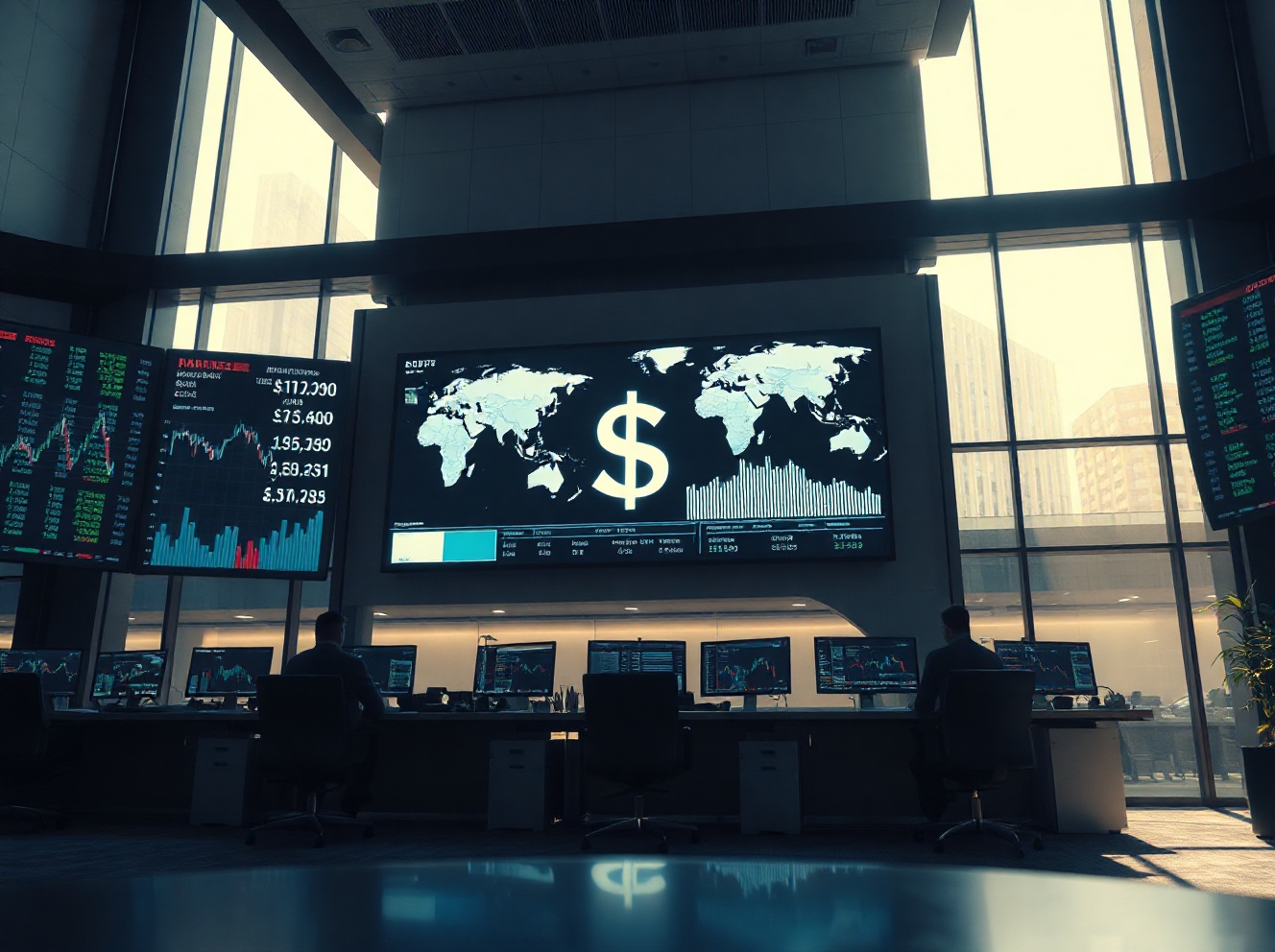 Dollar Steadies as Markets Weigh Fed Rate Path and Middle East Risks
The US dollar steadied on [Date], as investors balanced expectations for Federal Reserve interest-rate cuts against escalating geopolitical tensions in the Middle East, keeping the currency within a narrow trading range.
Market Drivers: Fed Policy and Geopolitical Uncertainty
The dollar index, which measures the greenback against a basket of six major currencies, hovered near recent levels as markets digested mixed signals on the timing of potential Fed easing. Recent US economic data, including inflation and employment figures, have offered no clear direction, leaving traders cautious. Meanwhile, safe-haven demand provided intermittent support for the dollar amid heightened Middle East tensions, but gains were capped by the prospect of lower US interest rates, which typically reduce the currency’s appeal.
Impact on Global Currencies and Commodities
The dollar’s stability had a ripple effect across global markets. The euro and yen traded within familiar ranges against the dollar, while commodity-linked currencies such as the Australian and Canadian dollars showed modest sensitivity to risk sentiment. Gold, often seen as a hedge against geopolitical risk and a weaker dollar, remained firm. Oil prices also reflected the geopolitical premium, with any escalation in the Middle East likely to influence both energy markets and currency flows.
Why This Matters for Investors
For investors, the dollar’s direction is a key barometer of global risk appetite and monetary policy expectations. A clearer signal on the Fed’s rate path could trigger sharper moves in currencies, equities, and bonds. Geopolitical developments, particularly in the Middle East, remain a wildcard that could quickly shift market dynamics. Understanding these interconnections is crucial for portfolio positioning in the current environment.
Conclusion
In summary, the dollar’s steadiness reflects a market in wait-and-see mode, caught between policy expectations and geopolitical uncertainty. With no imminent resolution on either front, volatility is likely to remain elevated, and traders will be closely watching upcoming economic data and any news from the Middle East for direction.
FAQs
Q1: What factors are currently influencing the US dollar’s value?The dollar is being influenced by expectations of Federal Reserve interest-rate decisions and geopolitical tensions, particularly in the Middle East. Economic data releases and safe-haven demand are also key drivers.
Q2: How does the Federal Reserve’s rate path affect the dollar?If the Fed cuts rates, the dollar typically weakens because lower interest rates reduce the yield on dollar-denominated assets. Conversely, if the Fed keeps rates higher for longer, the dollar tends to strengthen.
Q3: Why are Middle East risks important for currency markets?Geopolitical tensions can trigger safe-haven flows into the US dollar and other defensive assets, but they can also impact global trade and energy prices, leading to complex effects on currencies and commodities.
This post Dollar Steadies as Markets Weigh Fed Rate Path and Middle East Risks first appeared on BitcoinWorld.