Elon Musk has spent years making a habit of turning business rivalries into public theater and old habits die hard. After launching his own Tesla Roadster into space and selling 20,000 flamet
Elon Musk has spent years making a habit of turning business rivalries into public theater and old habits die hard.
After launching his own Tesla Roadster into space and selling 20,000 flamethrowers through The Boring Company, Musk spent $44 billion to acquire Twitter in 2022, only to walk into its headquarters carrying a sink and later renaming the platform X.
Rising to the status of the world's first trillionaire has clearly not dulled Musk’s appetite to clash with rich and powerful contemporaries on global platforms.
Related: Jim Cramer delivers strong verdict on OpenAI
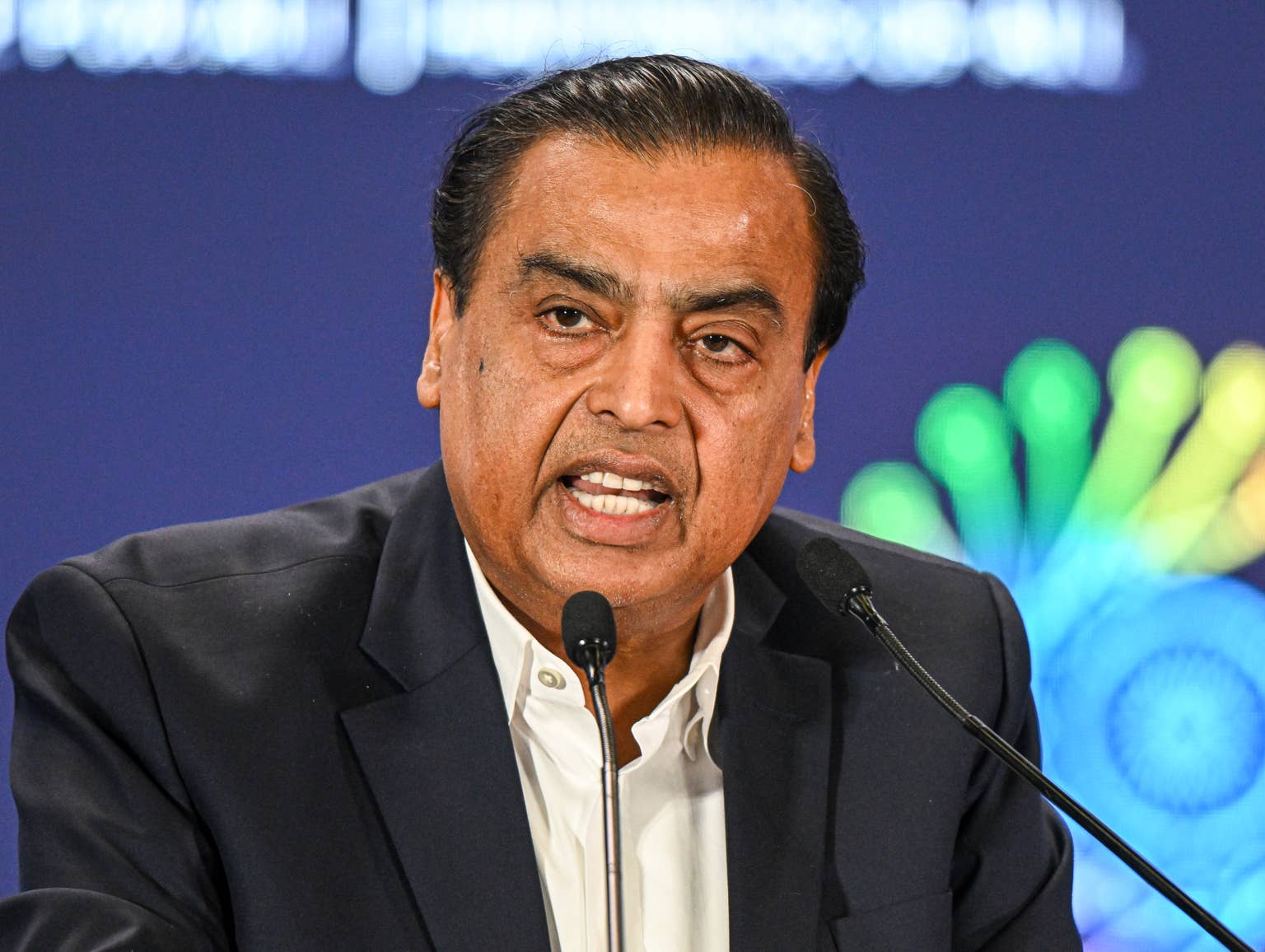
Musk's latest strike, on Friday, was aimed at India's richest industrialist Mukesh Ambani. In an X post, the SpaceX chief accused Ambani of blocking Starlink’s India expansion. He addressed Ambani as India’s “Prime Minister," taking a direct jibe at the telecom titan as well as prime minister Narendra Modi.
Ambani makes for the newest entry in a long list of billionaires who have been targeted by Musk over various reasons.
Musk vs Bezos: The billionaire space race
Musk’s rivalry with Amazon founder Jeff Bezos predates most of his better-known online feuds.
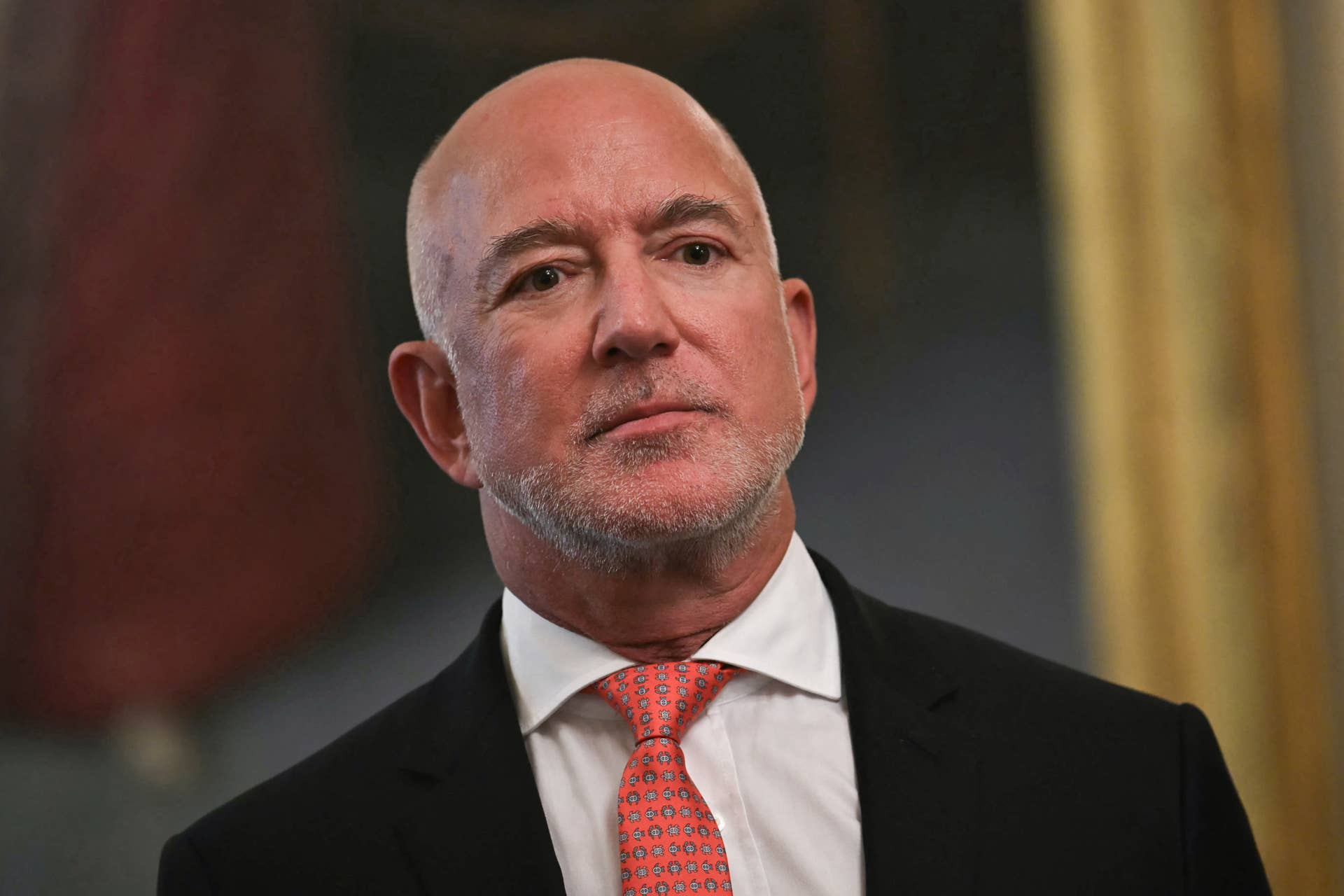
Amazon executive chairman Jeff Bezos.
By April 2021, SpaceX had beaten Bezos’ Blue Origin for a $2.9 billion NASA contract to build a lunar lander. Blue Origin protested the decision, arguing that NASA had changed the rules of the competition.
Musk responded on Twitter with a line that neatly captured how personal the rivalry had become.
“Can’t get it up (to orbit) lol.”
The jab came as Blue Origin was struggling to match SpaceX’s orbital capabilities.
The fight went beyond social media. Blue Origin challenged the NASA award through the Government Accountability Office and later in federal court, although SpaceX ultimately kept the contract.
Bill Gates dared shorting Tesla
The Musk-Gates feud became public in April 2022 after messages surfaced showing Musk confronting Microsoft co-founder Bill Gates over a large short position against Tesla.
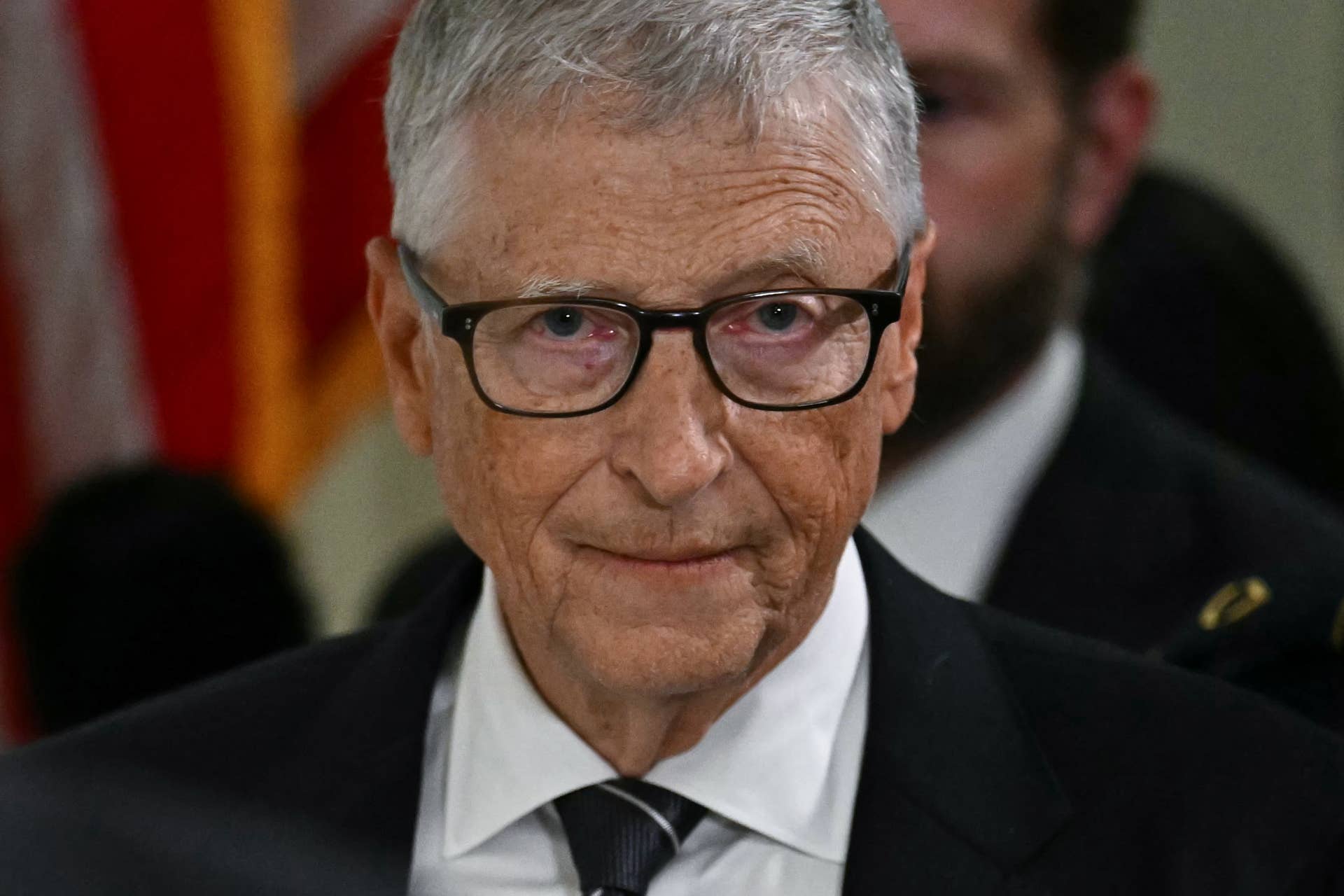
Microsoft co-founder Bill Gates.
“Do you still have a half billion dollar short position against Tesla?” Musk asked.
Gates replied that he had not closed it and then raised the prospect of discussing philanthropy. Musk’s answer:
“Sorry, but I cannot take your philanthropy on climate change seriously when you have a massive, short position against Tesla, the company doing the most to solve climate change.”
Shorting a stock means betting that its price will fall. For Musk, Gates’ position was not merely an investment decision. He framed it as fundamentally incompatible with Gates’ climate philanthropy.
Popular on TheStreet Roundtable:
The issue did not disappear.
On Nov. 16, 2025, Musk again warned Gates publicly.
“If Gates hasn’t fully closed out the crazy short position he has held against Tesla for ~8 years, he had better do so soon.”
George Soros earning a supervillain comparison
In May 2023, Musk turned his attention to billionaire investor and philanthropist George Soros.
“Soros reminds me of Magneto,” Musk wrote, referring to the villain from the popular X-Men franchise.
There was no immediate context to Musk's comment, but just a week prior to the tweet, Soros had dumped his entire $16 million stake in Tesla.
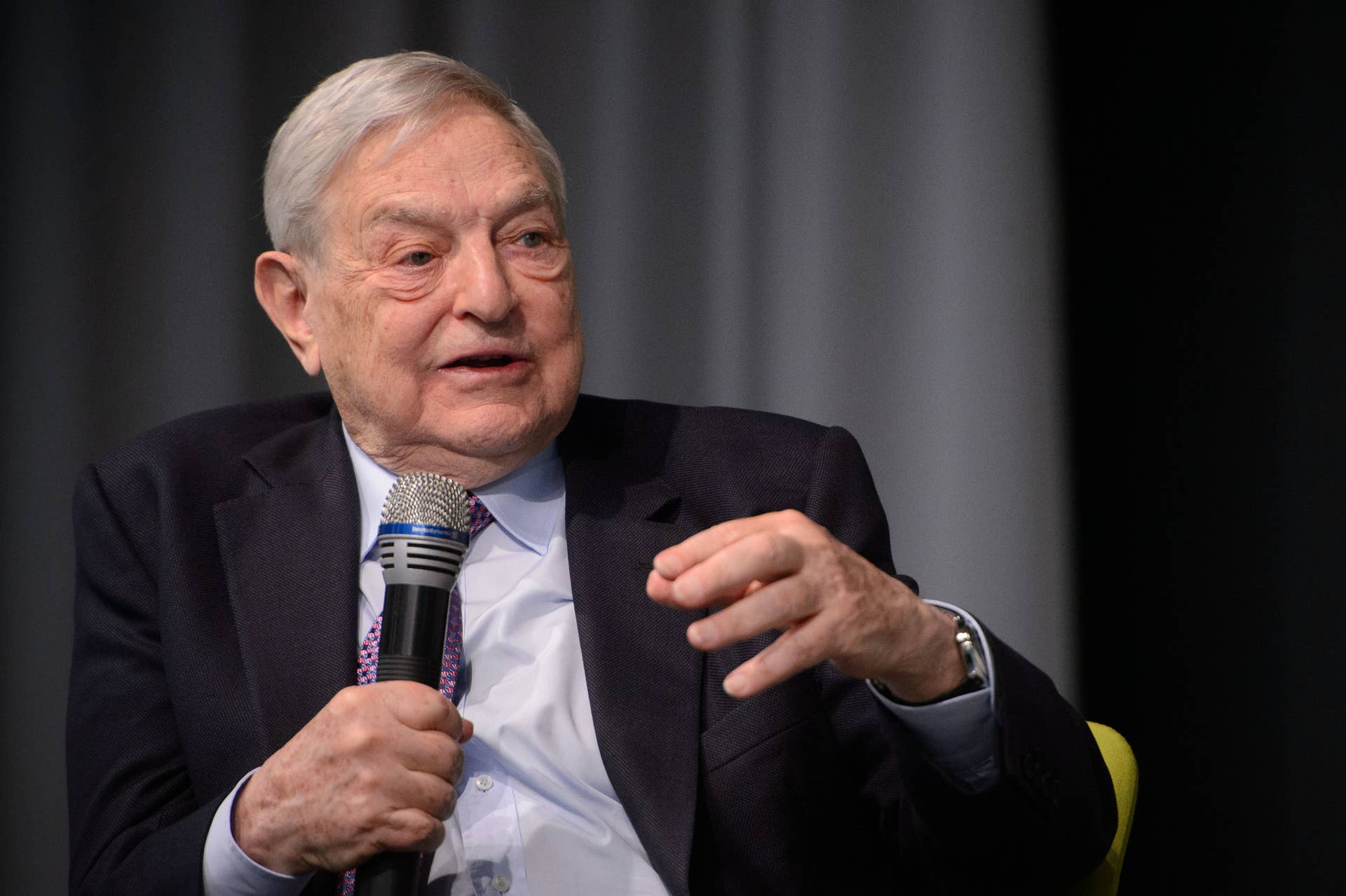
George Soros, billionaire and founder of Soros Fund Management LLC.
Heinrich-Böll-Stiftung, Flickr
When another user defended Soros’ intentions, Musk went further.
“He wants to erode the very fabric of civilization. Soros hates humanity.”
The comments drew criticism because Soros, who is Jewish and survived Nazi-occupied Hungary, has long been the subject of antisemitic conspiracy theories. Anti-Defamation League CEO Jonathan Greenblatt said Musk was feeding into antisemitic tropes.
Musk rejected that characterization and defended his right to post what he wanted.
“I’ll say what I want to say and if the consequence of that is losing money, so be it,” he told CNBC on May 16, 2023.
It became one of the clearest examples of Musk treating X not simply as a corporate communications platform, but as a place to engage in personal and ideological fights in real time.
Mark Zuckerberg gets invite for hand-to-hand combat
Musk’s feud with Meta CEO Mark Zuckerberg was less ideological and considerably more literal. In June 2023, Musk said he was “up for a cage match” with Zuckerberg.
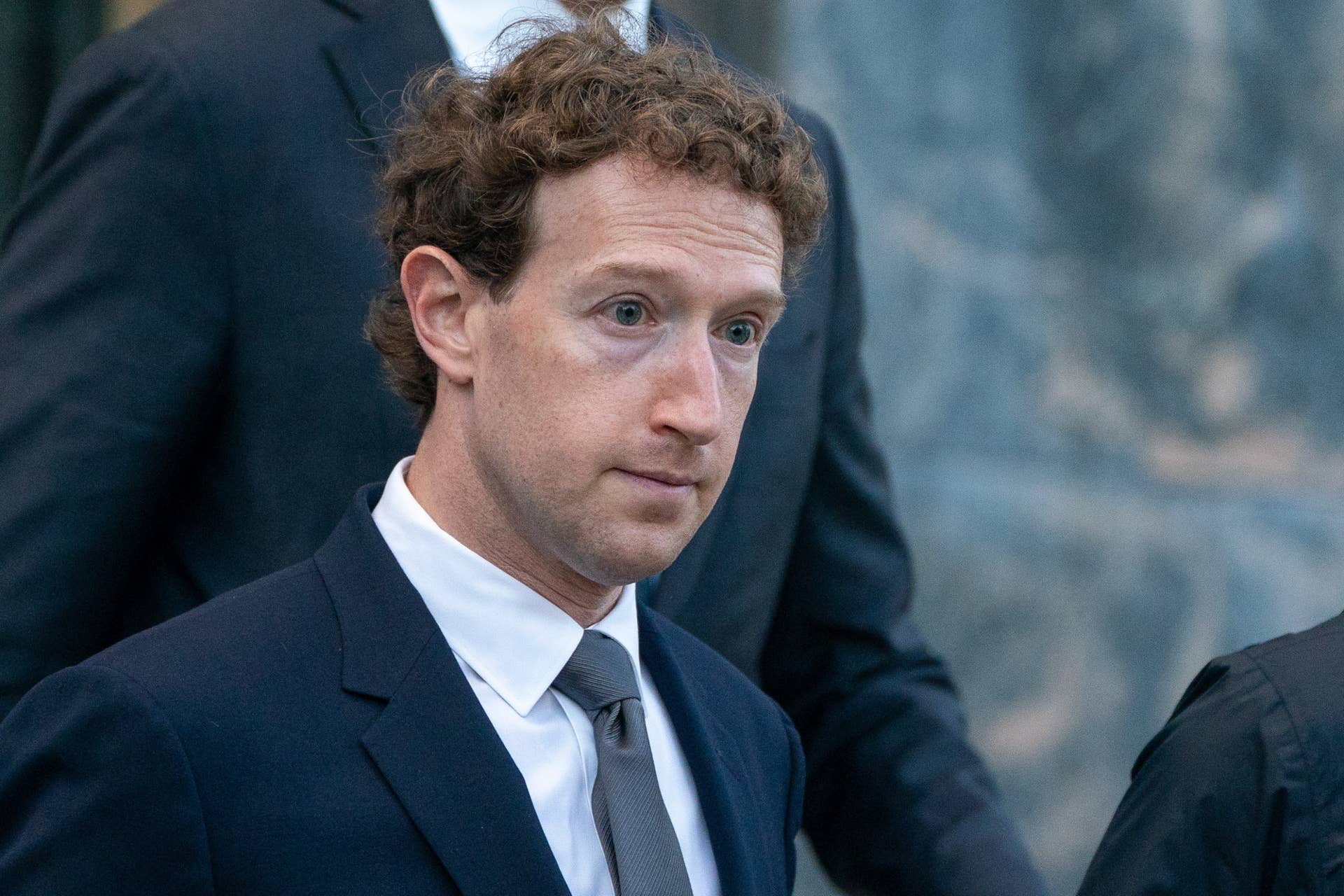
Mark Zuckerberg, chief executive officer of Meta Platforms Inc., exits Los Angeles Superior Court in Los Angeles, California, US, on Wednesday, Feb. 18, 2026.
Getty Images
Zuckerberg, who trains in Brazilian jiujitsu, had a two-word response.
“Send location.”
For weeks, the two billionaires discussed what initially sounded like a joke, as though it might become a real mixed martial arts event. Musk even wrote that the fight would be streamed on X and that proceeds would go to veterans.
Popular on TheStreet Roundtable:
Asked why they would fight at all, Musk offered perhaps the most Musk-like explanation possible.
“It’s a civilized form of war. Men love war.”
The showdown never happened. By Aug. 13, Zuckerberg said Musk had not confirmed a date and that it was “time to move on.”
Mark Cuban turned DEI into billionaire-on-billionaire combat
In January 2024, Musk and billionaire entrepreneur Mark Cuban collided over diversity, equity and inclusion programs.
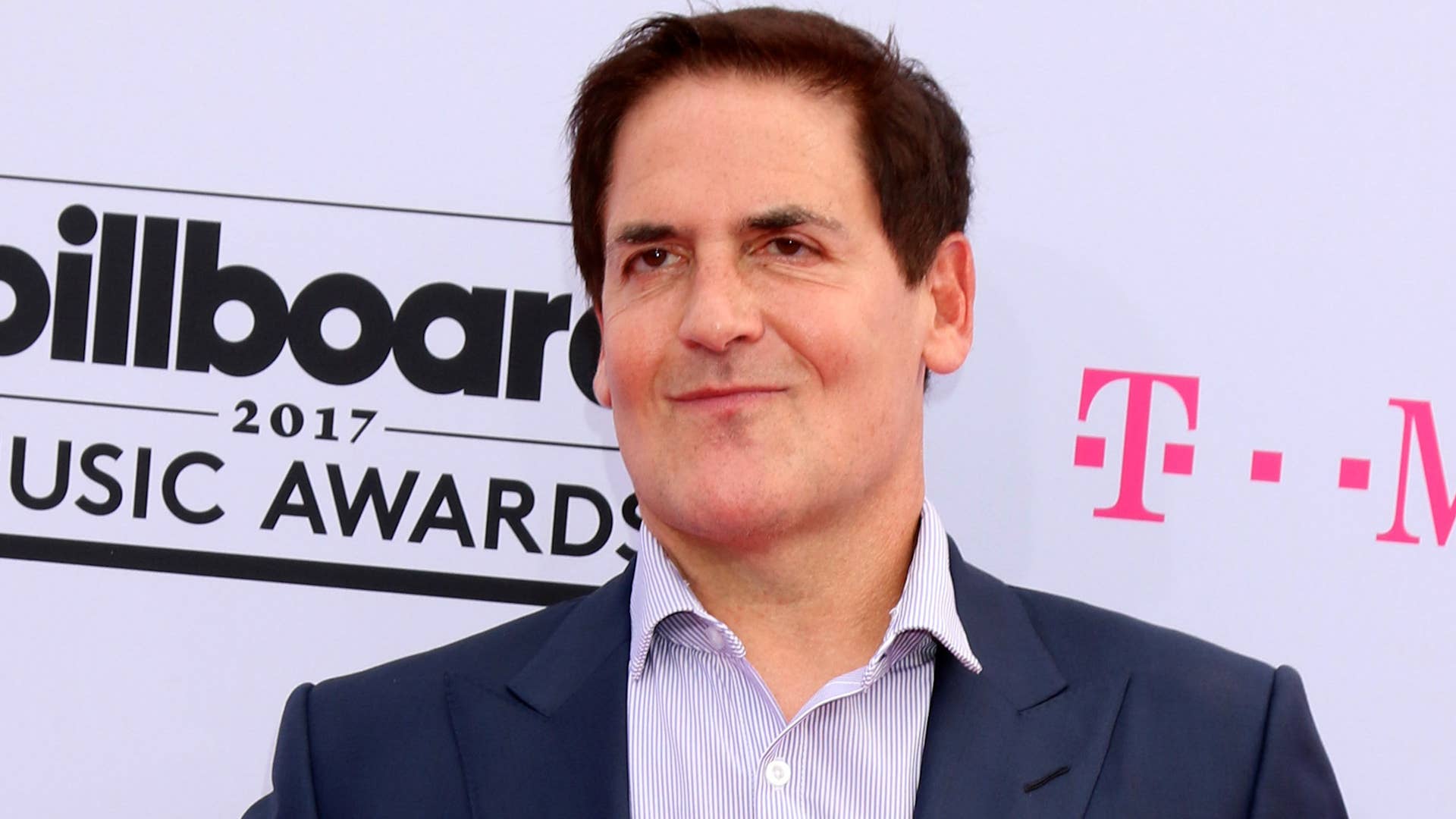
Businessman/TV personality Mark Cuban
Musk had declared that DEI was “just another word for racism” and said discrimination based on race was itself racist.
A structure of corporate policies, DEI (Diversity, Equity, and Inclusion) essentially bat for fair treatment, equal opportunity, and representation across different demographic groups in corporate culture.
Cuban had defended diversity as good business against Musk's notion at the time.
“The loss of DEI-Phobic companies is my gain.”
The former Dallas Mavericks owner argued that a workforce reflecting a company’s customers and stakeholders could create a competitive advantage.
The exchange only escalated days later during a debate over airline hiring and pilot training. After Cuban pushed back on claims that diversity targets undermined merit-based hiring, Musk replied simply:
“You are a liar.”
That took what started as a policy disagreement and turned it personal, another familiar Musk progression.
Sam Altman went from co-founder to courtroom enemy
Few Musk rivalries have lasted as long, or carried stakes as high, as his battle with OpenAI CEO Sam Altman.
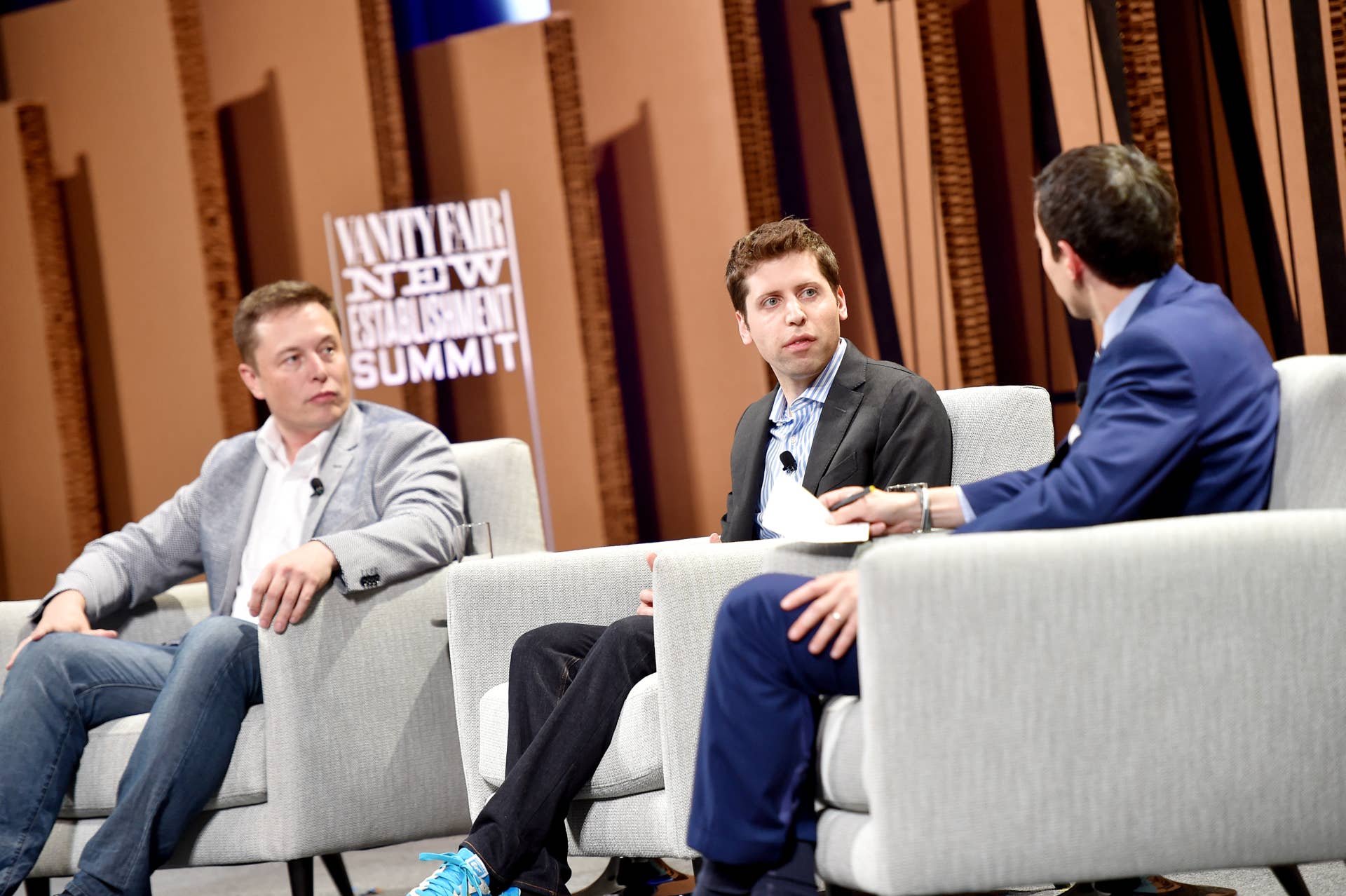
Tesla Motors CEO and Product Architect Elon Musk, Y Combinator President Sam Altman and The New York Times Financial Columnist Andrew Ross Sorkin at Yerba Buena Center for the Arts on October 6, 2015 in San Francisco, California.
Getty Images
The two started out as allies, helping launch OpenAI in 2015 with a mission centered on developing artificial intelligence for public benefit. Musk later left its board in 2018.
By March 2024, he was suing OpenAI and Altman, accusing them of abandoning that non-profit mission in favor of commercial gain. OpenAI rejected the accusation and said Musk had previously participated in discussions about restructuring the company.
The fight escalated through lawsuits, social media attacks and an attempted $97.4 billion takeover bid for OpenAI’s non-profit parent in February 2025. Altman dismissed the offer as “ridiculous.”
By April 2026, the dispute had reached a federal trial.
Musk accused OpenAI of taking something he helped build for the public good and converting it into a commercial machine.
“I started it, funded it, recruited critical talent and taught them everything I know about how to make a startup successful FOR THE PUBLIC GOOD,” Musk wrote. “Then they stole the charity.”
Musk sought $150 billion in damages and changes to OpenAI’s leadership. OpenAI called the lawsuit a “baseless and jealous bid to derail a competitor.”
The feud has only become more complicated as Musk’s own xAI has emerged as one of OpenAI’s direct competitors.
Musk, Trump and the Epstein accusation
Musk’s relationship with Donald Trump may be the fastest billionaire friendship to turn into open warfare, and its timeline is a roller coster ride.
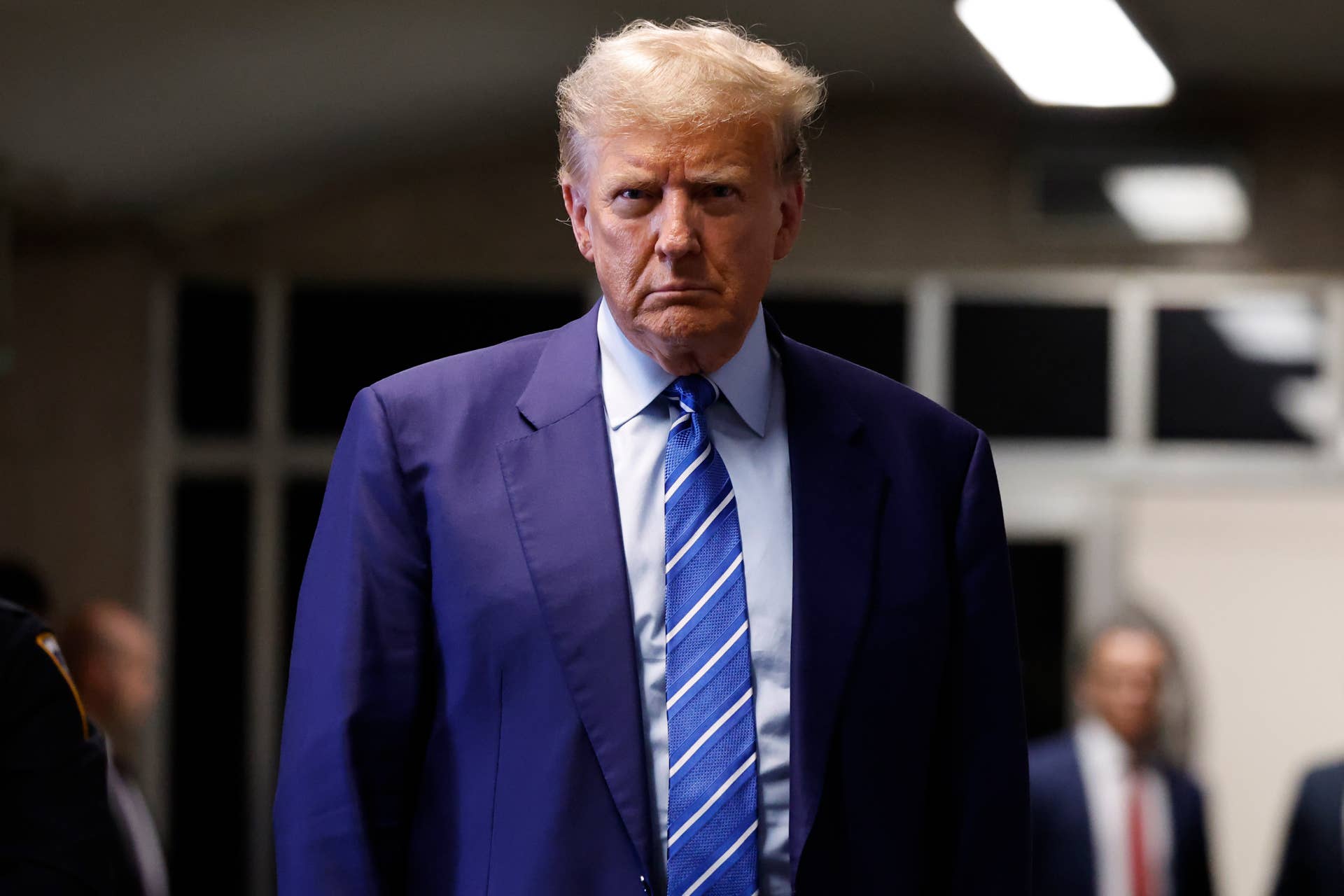
President Donald Trump listens to a question as he prepares to leave at the end second day of his criminal trial at NYS Supreme Court on April 16, 2024 in New York City.
Getty
Musk spent nearly $300 million supporting Trump and other Republicans in the 2024 election and became one of the president’s most prominent advisers through DOGE.
By June 2025, the alliance was collapsing.
Musk attacked Trump’s sweeping tax and spending bill as a “disgusting abomination,” saying it would deepen the federal deficit.
Trending on TheStreet Roundtable:
Trump responded by threatening to cut government contracts and subsidies tied to Musk’s companies.
Musk then wrote:
“Without me, Trump would have lost the election. Such ingratitude.”
He also endorsed a post calling for Trump’s impeachment. Tesla shares fell 14.3% that day, wiping about $150 billion from the company’s market value.
The feud went one step further when Musk claimed, without providing evidence, that Trump was named in unreleased Jeffrey Epstein files.
Days later, Musk backed away from some of the rhetoric.
“I regret some of my posts about President @realDonaldTrump last week. They went too far,” he wrote on June 11. Trump called the statement “very nice.”
Reid Hoffman and the Epstein-file counterattack
LinkedIn co-founder Reid Hoffman entered Musk’s crosshairs in early 2026 after the U.S. government released another batch of records connected to Jeffrey Epstein.
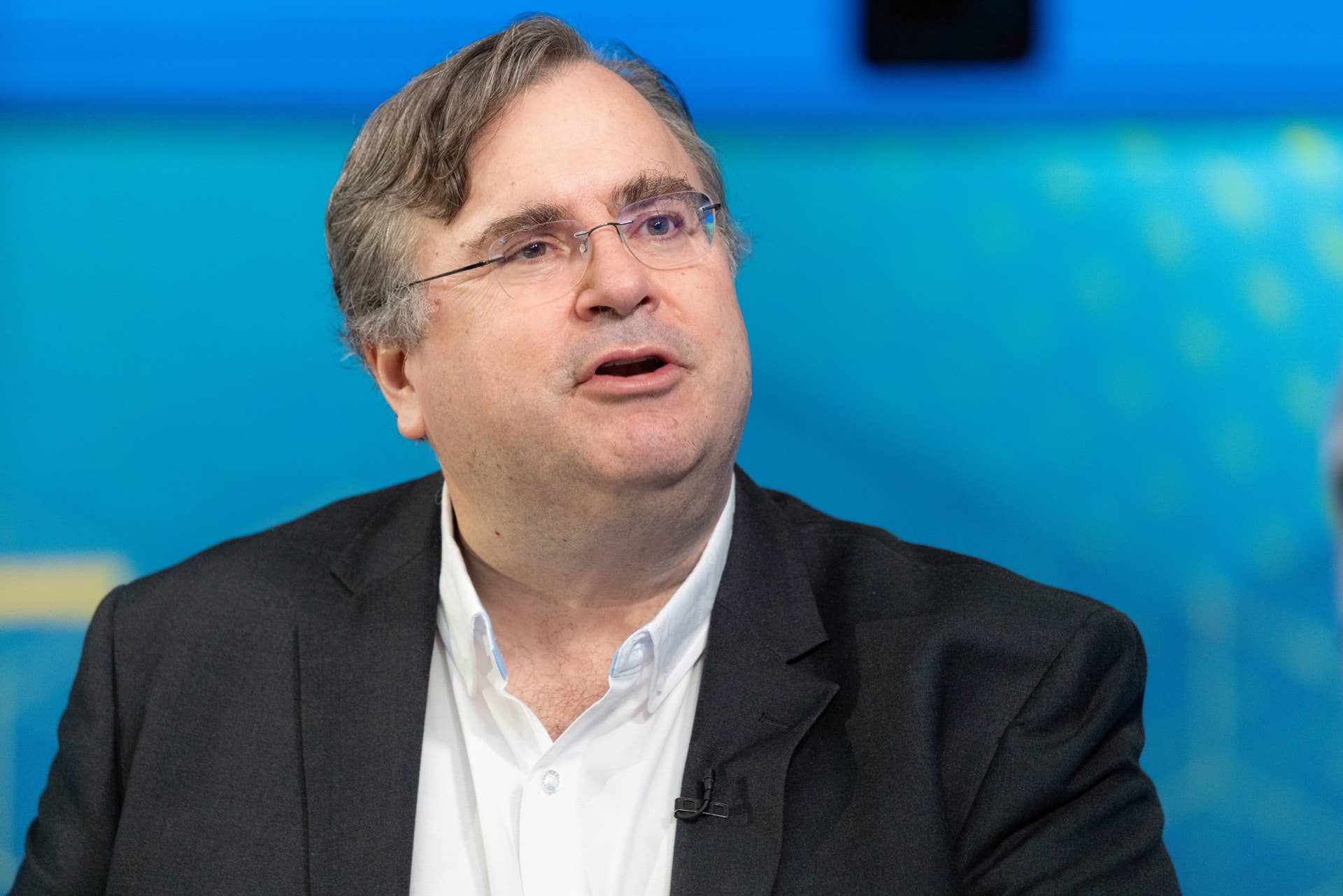
Reid Hoffman, co-founder of LinkedIn, during a Bloomberg Television interview in London, UK, on Monday, March 24, 2025.
Getty Images
An email showed Epstein trying to invite Musk to his private island while mentioning Hoffman.
Musk posted:
“This is how I knew so long ago that Reid Hoffman went to Epstein’s island. Epstein used Reid being there to try to get me to go, not realizing that it would have the opposite effect.”
Hoffman responded by accusing Musk of using him as a distraction and said Musk was making false allegations.
“If you cared about the victims as you say, you’d stop making false accusations to cover your ass,” Hoffman wrote.
The episode was particularly volatile because both men were arguing over documents linked to a convicted sex offender. However, mere mention of one's name in the files does not indicate criminal wrongdoing.
Unlike the Gates or Bezos fights, there was no obvious corporate dispute underneath this one. It was personal almost from the start.
Mukesh Ambani is the newest name on the board
India finally made it to Musk's list after a setback to Starlink's debut in the country.
Mukesh Ambani, chairman of Reliance Industries Ltd.
At 1.7 billion, India's population is touted as the largest in the world. Musk's satellite internet company Starlink has spent years trying to commercially launch its broadband service in the country. It has obtained a license, but still needs to complete security requirements and receive spectrum before commercial operations can begin.
On Oct. 8, Musk accused Reliance Industries chairman Mukesh Ambani of pushing the delay.
“Is Ambani the real boss of India?”
He offered no evidence that Ambani was controlling the licensing process.
India’s government rejected the accusation. Telecom Minister Jyotiraditya Scindia said on Oct. 9 that “India does not allow a monopoly in any sector,” while officials said Starlink, Reliance Jio’s satellite business and Bharti-backed OneWeb were all broadly at the same regulatory stage.
Musk then escalated further.
On Oct. 9, he addressed Ambani as “Dear Prime Minister Ambani” and sarcastically apologized for not realizing that he was “the real boss of India.”
“Naturally, you would prefer to maintain your monopolistic exploitation of the great people of India, but would you nonetheless consider allowing Starlink to compete?”
He followed that by arguing that Starlink could connect underserved communities and provide emergency communications during natural disasters.
Reliance Jio did not respond to Reuters’ request for comment, and Musk again supplied no evidence that Ambani had personally blocked Starlink.
Popular on TheStreet Roundtable:
India has more than a billion internet users, and Starlink is trying to enter a market already dominated by Jio and Bharti Airtel.
But the rhetoric is a classic Musk move.
A regulatory delay becomes a monopoly accusation. A business rival becomes a political punchline. And a dispute that could have stayed inside government filings ends up in front of millions of X users.
For Musk, billionaire rivalries increasingly seem to follow the same rule as everything else he touches: if it can become a spectacle, it probably will.
Related: Hunter Biden sends stark warning on U.S. dollar